How do Dutch language courses incorporate Dutch culture?
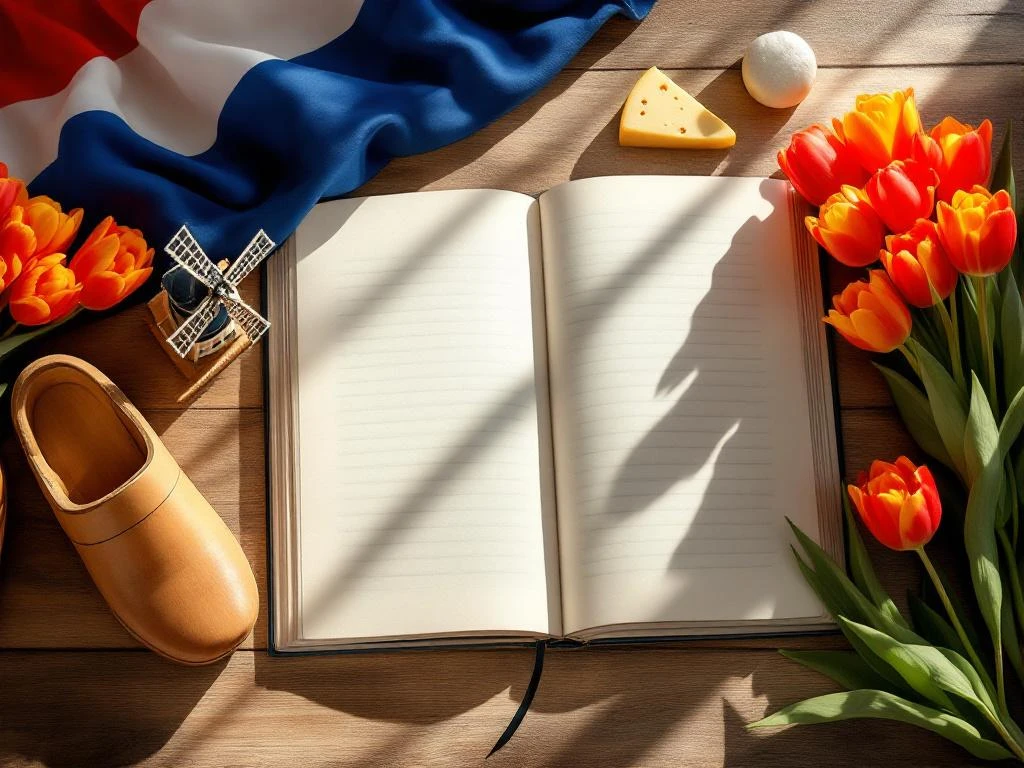
Dutch language courses integrate culture through real-life scenarios, traditional celebrations, workplace etiquette, and social customs that help expats understand both the language and society. Effective programs combine cultural context with grammar lessons, using role-playing exercises, holiday discussions, and practical situations that mirror daily Dutch life. This cultural integration helps students communicate more naturally, build meaningful friendships, and integrate faster into Dutch communities while discovering the rich social fabric of Netherlands culture.
What Cultural Elements Do Dutch Language Courses Typically Include?
Most Dutch language courses incorporate holidays like King’s Day and Sinterklaas, traditional Dutch customs such as birthday celebrations, workplace behaviors including direct communication styles, and everyday social practices like cycling culture and café etiquette. These elements help students understand the context behind language usage while creating natural opportunities to connect with Dutch people and fellow expats.
Dutch courses typically cover major cultural touchpoints that affect daily interactions and social bonding. You’ll learn about national holidays and how they’re celebrated, from the orange festivities of King’s Day to the unique traditions of Sinterklaas in December. Understanding these celebrations helps you participate in conversations and social activities with Dutch colleagues and neighbors, often leading to lasting friendships and deeper cultural appreciation.
Social customs form another important component that enriches your social life. Dutch birthday traditions, where you congratulate everyone at the party, or the concept of “going Dutch” when paying for meals, directly impact how you interact socially and build relationships. Many courses also address the famous Dutch directness, teaching you how to interpret and respond to straightforward feedback while appreciating this refreshing aspect of Dutch culture.
Workplace culture receives significant attention in quality programs, but extends beyond professional success to social connections. You’ll explore Dutch meeting styles, hierarchy expectations, and the importance of work-life balance. These insights help you navigate professional relationships, understand why your Dutch colleagues might leave promptly at 5 PM, and discover opportunities for after-work socializing that can blossom into genuine friendships.
How Do Dutch Language Teachers Bring Culture Into Everyday Lessons?
Teachers integrate culture through interactive role-playing scenarios that simulate real situations like job interviews, grocery shopping, neighborhood interactions, and social gatherings. They use authentic materials such as Dutch news articles, TV clips, and social media posts to demonstrate how language reflects cultural values and social norms, creating a fun, engaging environment where students bond over shared learning experiences.
Role-playing exercises form the backbone of cultural integration in language lessons, often becoming the highlight of class sessions. You might practice ordering at a Dutch restaurant, learning not just the vocabulary but also the cultural expectation of making reservations and the typical dining customs. These scenarios prepare you for actual situations while teaching appropriate language use, and often result in classmates planning real outings together to practice what they’ve learned.
Many instructors use current events and popular culture to make lessons relevant and entertaining. Discussing Dutch news, TV programs, or social trends provides natural opportunities to explore cultural attitudes and values while sparking lively debates and conversations among students. This approach helps you understand why certain phrases are used, creates shared cultural references with your classmates, and often leads to movie nights or cultural exploration activities outside class.
Authentic materials bring real Dutch culture into the classroom in engaging ways. Teachers might show clips from Dutch television programs, share social media posts, or use advertisements to demonstrate how language reflects cultural priorities. These materials expose you to natural speech patterns and cultural references you’ll encounter outside the classroom, while creating opportunities for group discussions and cultural comparison that strengthen bonds between international students.
Why Is Learning Dutch Culture Important for Language Success?
Cultural understanding improves communication effectiveness by helping you interpret tone, context, and underlying meanings in conversations. It prevents misunderstandings that occur when you apply your home country’s cultural assumptions to Dutch interactions, making your language use more natural and appropriate while opening doors to meaningful social connections and friendships with Dutch people.
Language and culture are inseparable, and understanding this connection enriches your entire social experience. When you understand why Dutch people value directness, you can better interpret feedback and respond appropriately, often leading to deeper respect and stronger relationships. Without this cultural context, you might misread a direct comment as rude rather than helpful, missing opportunities for genuine connection and cultural exchange.
Cultural knowledge helps you choose appropriate language for different situations while building social confidence. Knowing when to use formal or informal address, understanding Dutch humor, or recognizing when silence is comfortable rather than awkward all contribute to more successful interactions. These skills matter as much as grammar and vocabulary, and mastering them often leads to invitations to social events and inclusion in Dutch social circles.
Integration into Dutch society becomes smoother and more enjoyable when you understand cultural expectations. You’ll feel more confident joining conversations, participating in workplace discussions, and building relationships with Dutch people. This confidence encourages you to practice more, seek out social opportunities, and embrace cultural experiences that accelerate your language learning while enriching your life as an expat.
What Dutch Cultural Topics Help Expats Integrate Faster?
Understanding direct communication styles, work-life balance expectations, social hierarchies, networking customs through borrels (informal drinks), cycling culture, and community participation accelerates expat integration by providing essential social navigation skills. These topics also reveal the warm, welcoming side of Dutch society and numerous opportunities for building friendships and finding your place in local communities.
Direct communication deserves special attention because it affects every interaction and, once understood, becomes one of the most refreshing aspects of Dutch culture. Dutch people often say exactly what they mean without softening their message with excessive politeness, creating more authentic relationships. Learning to give and receive direct feedback, ask straightforward questions, and express opinions clearly helps you participate fully in Dutch conversations and builds mutual respect with Dutch friends and colleagues.
Work-life balance concepts differ significantly from many other cultures and reveal important values about community and family. Understanding that Dutch colleagues prioritize family time, take proper lunch breaks, and generally maintain boundaries between work and personal life helps you navigate professional relationships while discovering a healthier approach to living that many expats find transformative.
Social networking happens differently in the Netherlands and offers wonderful opportunities for community building. The concept of borrels (informal drinks after work), neighborhood interactions, sports club participation, and community volunteering provides natural opportunities to practice Dutch while building social connections. Understanding these social structures helps you find your community and develop lasting friendships with both Dutch people and fellow expats.
Daily life practicalities matter enormously for integration and often become sources of cultural appreciation and social bonding. Cycling culture, shopping customs, healthcare navigation, and housing etiquette all require cultural knowledge alongside language skills. These topics directly impact your quality of life and confidence in your new environment, while shared experiences around these cultural differences often create strong bonds with other expats navigating similar challenges.
How Dutch on Track Helps With Learning Dutch Culture
We integrate cultural learning throughout our blended learning program, combining cultural context with practical language skills in every lesson. Our approach focuses on real-life situations that expats encounter daily, from workplace interactions to social gatherings, ensuring you develop both language fluency and cultural confidence simultaneously while building connections with fellow students who share your integration journey.
Our experienced instructors weave cultural insights into interactive classroom sessions, where you practice authentic scenarios with fellow expats in a supportive, fun environment. These small-group settings create safe spaces to explore cultural differences, ask questions about Dutch social norms, and share experiences with other international students. The collaborative atmosphere often leads to study groups and social connections that extend well beyond the classroom.
The program structure supports cultural integration through our three-component approach while fostering community among students. E-learning modules introduce cultural concepts alongside vocabulary, classroom sessions provide opportunities to practice cultural scenarios with peers, and consolidation activities reinforce both language and cultural understanding. This comprehensive method ensures cultural learning becomes natural rather than theoretical, while the group dynamic creates lasting friendships and support networks.
Ready to master Dutch language and culture while building meaningful connections? Schedule a free consultation to discover how our integrated approach can accelerate your integration into Dutch society and help you find your community. Visit our main page to explore program options that combine language learning with essential cultural skills for confident communication and social success in the Netherlands.
Frequently Asked Questions
How long does it typically take to feel comfortable with Dutch cultural norms while learning the language?
Most expats begin feeling comfortable with basic Dutch cultural norms within 3-6 months of consistent cultural integration alongside language learning. However, deeper cultural understanding that enables natural social interactions typically develops over 12-18 months of regular practice and exposure to various Dutch social situations.
What are the biggest cultural mistakes expats make when first learning Dutch?
The most common mistakes include taking Dutch directness personally, over-apologizing or being excessively polite, avoiding eye contact during conversations, and not participating in informal workplace social activities like borrels. Many expats also struggle with the Dutch concept of personal space and the expectation to be punctual for all appointments, even casual ones.
How can I practice Dutch culture outside of formal language classes?
Join local sports clubs, volunteer organizations, or hobby groups where Dutch is the primary language. Attend neighborhood events, participate in workplace borrels, and engage with neighbors during daily activities like walking or cycling. Consider joining expat-Dutch social groups or language exchange programs that specifically focus on cultural immersion alongside conversation practice.
Should I adapt my communication style to be more direct like the Dutch, or maintain my natural approach?
Gradually adapting to Dutch directness will significantly improve your integration and professional relationships. Start by being more straightforward in low-stakes situations and observe how Dutch people respond. You don't need to completely abandon your natural style, but learning to give and receive direct feedback, ask clear questions, and express opinions openly will make your interactions much more effective.
What Dutch cultural knowledge is most important for workplace success?
Understanding Dutch meeting culture (speaking up, asking questions, challenging ideas respectfully), work-life balance boundaries, and the flat hierarchy system are crucial. Learn to participate in informal workplace socializing, understand that leaving on time isn't rude, and recognize that Dutch colleagues value efficiency and direct problem-solving over relationship-building small talk during work hours.
How do I know if a Dutch language course properly integrates cultural learning?
Look for courses that use real-life scenarios, current Dutch media, and role-playing exercises rather than just grammar drills. Quality programs should cover workplace etiquette, social customs, and practical daily situations like healthcare or housing interactions. The best courses also provide opportunities to discuss cultural differences and ask questions about confusing social situations you've encountered.
What should I do if I feel overwhelmed by both language learning and cultural adaptation?
Focus on one cultural aspect at a time while maintaining consistent language practice. Start with workplace culture if you're employed, or daily life interactions if you're not working yet. Don't hesitate to ask Dutch friends or colleagues to explain cultural situations you find confusing. Remember that cultural adaptation is a gradual process, and making mistakes is a normal part of learning.
Related Articles
- How do you find a Dutch language course in Eindhoven that fits around work?
- What is meant by intensive Dutch language courses?
- What happens in your first Dutch lesson and what can you expect?
- How does learning Dutch change your social life in the Netherlands?
- Why is Eindhoven a great city to learn Dutch as an expat?