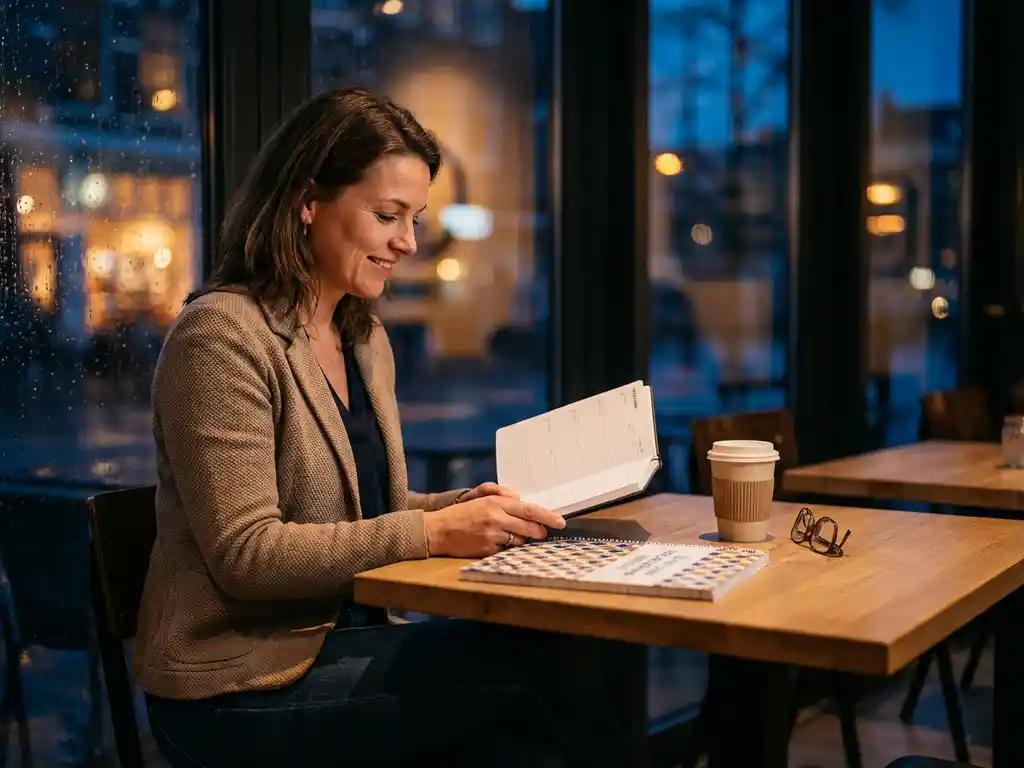
How do you find a Dutch language course in Eindhoven that fits around work?
Finding a Dutch language course in Eindhoven that genuinely fits around a full working day is one of the most common challenges internationals face when they first arrive in the Netherlands. You want to learn the language, connect with people, and feel at home — but between work, settling in, and building a social life, time is tight. The good news is that the right course structure makes all the difference, and Eindhoven has solid options designed specifically with working expats and internationals in mind.
Whether you are brand new to Dutch or already picking up words from your colleagues, understanding what is available, when classes run, and how modern language learning actually works will help you make a confident choice. Here is everything you need to know.
What types of Dutch language courses are available in Eindhoven?
In Eindhoven, Dutch language courses generally fall into three categories: group classes, one-on-one private tuition, and blended learning programmes that combine online preparation with in-person practice. For expats and internationals, group courses designed specifically for highly educated professionals tend to offer the best combination of structured learning, social connection, and practical language use.
Group courses are particularly popular because they offer far more than grammar drills. You practise speaking with fellow internationals who are in exactly the same situation, which makes the whole experience feel less intimidating and a lot more fun. Many participants find that their classmates become genuine friends — people who understand the experience of navigating Dutch culture from the outside. Beyond group classes, some providers also offer in-company Dutch training for international workforces that want to support their international workforce directly.
When do Dutch evening classes in Eindhoven typically take place?
Most Dutch evening classes in Eindhoven run after standard working hours, typically between 17:45 and 19:45. This two-hour window is intentionally designed so that working professionals can attend without needing to leave the office early or rearrange their entire schedule.
Evening timing also has a social benefit that is easy to overlook. Finishing a class at 19:45 leaves the rest of the evening free, and it is not uncommon for classmates to grab a drink or a bite to eat together afterwards. Language learning works best when it extends beyond the classroom, and the friendships you build in evening classes naturally create opportunities to practise Dutch in real-life settings — at a local café, at the market, or simply chatting on the way to the tram.
How does a blended learning Dutch course work around a busy schedule?
A blended learning Dutch course splits the learning process into three stages: online preparation before class, interactive group practice during class, and online consolidation afterwards. This structure means you never walk into a classroom session unprepared, and the time you spend in person is focused entirely on speaking and practising with others rather than passively absorbing new information.
The online preparation component typically covers new vocabulary and dialogues, which you work through at your own pace before the lesson. This flexibility is what makes blended learning so practical for busy professionals — you can complete the preparation during your commute, at lunch, or in the evening before class. After each session, a consolidation phase helps lock in what you have learned, reinforcing the material before the next class. The result is a Dutch language course experience that fits into real life rather than demanding that you reshape your life around it. You can also explore learning Dutch with AI-powered tools as part of your preparation and consolidation routine.
Where in Eindhoven are Dutch language classes held?
Dutch language classes in Eindhoven are held at central, easily accessible locations close to public transport. The most convenient option for working professionals is a location within walking distance of Eindhoven Central Station, which makes it straightforward to attend straight from work without needing a car.
Accessibility matters more than people initially realise. When a class is easy to reach, you are far more likely to show up consistently — and consistency is the single biggest factor in language progress. A centrally located classroom also means you are already in the heart of the city after class, which makes it easy to turn a Tuesday evening Dutch lesson into a small social occasion with your new classmates.
What level of Dutch do you need to start a course in Eindhoven?
You do not need any prior knowledge of Dutch to start a course in Eindhoven. Most language schools offer courses from absolute beginner level (A0) all the way through to intermediate (B1) and beyond. Whether you have never heard a Dutch word or you already understand some basics, there is a starting point that matches where you are right now.
The key is finding a course that places you accurately. Starting too low can feel frustrating and slow; starting too high can knock your confidence. A good language school will assess your current level before placing you in a group, ensuring that the pace and content feel challenging but achievable. For those committed to real fluency, longer programmes that take you from A0 to B1 over the course of a year offer a structured, step-by-step path that builds genuine confidence over time.
How do you choose the right Dutch course for your lifestyle in Eindhoven?
The right Dutch course for your lifestyle in Eindhoven depends on three things: your schedule, your learning goals, and how you prefer to learn. If you work standard office hours and want to combine language learning with building a social life, an after-work group course with a blended learning format is almost always the best fit.
Consider these factors when comparing your options:
- Class timing — does it fit consistently around your working hours without regular conflicts?
- Group size — smaller groups (around 8 to 10 people) allow for more speaking time and a stronger sense of community.
- Teaching approach — a communicative method that gets you speaking from day one builds confidence faster than grammar-heavy approaches.
- Course length — a structured programme with a clear progression from beginner to intermediate gives you a real roadmap.
It is also worth thinking honestly about what you want from the experience beyond the language itself. Many internationals find that a Dutch course becomes one of their primary social outlets in a new city — a place where they meet people from all over the world who are navigating the same cultural learning curve. If building connections and understanding Dutch culture matters to you as much as the language itself, look for a Dutch language course in Eindhoven that actively fosters that sense of community.
How Dutch on Track Helps You Find the Right Course in Eindhoven
Dutch on Track is built specifically for expats, knowledge workers, and their partners who want to learn Dutch without putting the rest of their lives on hold. We offer group courses in Eindhoven that run from 17:45 to 19:45, held just an 8-minute walk from Eindhoven Central Station, so you can come straight from work and still be home at a reasonable hour.
Our blended learning method takes the pressure off every classroom session. You prepare online at your own pace, practise and speak with your group in class, and consolidate what you have learned afterwards — all as part of a structured online Dutch learning course approach that fits around real working life. Our groups are small (8 to 10 people), our teachers are certified specialists in Dutch as a Second Language, and we teach at every level from A0 to B1, including our flagship Dutch in 1 Year programme.
But honestly, one of the things our students value most is the social side. You will meet other internationals who are figuring out the Netherlands alongside you — and that shared experience has a way of turning classmates into genuine friends. Here is what sets us apart:
- Small groups of 8 to 10 for real speaking time and a warm, community feel.
- After-work evening classes designed around your schedule.
- Certified teachers who specialise in Dutch as a Second Language.
- A communicative approach where you speak from day one.
If you are ready to start speaking Dutch, making friends, and feeling genuinely at home in Eindhoven, Dutch on Track is the place to begin. Schedule a free meeting to find your level and start date for you.
Frequently Asked Questions
How long does it typically take to become conversational in Dutch as an English speaker?
Most English speakers can reach a conversational level (around A2–B1) in Dutch within 6 to 12 months of consistent study, especially with a structured programme like Dutch in 1 Year. The timeline depends heavily on how regularly you attend classes, how much you practise outside of them, and how often you use Dutch in daily life in Eindhoven. Engaging with native speakers, Dutch media, and your classmates outside of class hours can significantly speed up the process.
What if I miss a class due to work travel or a busy period — will I fall too far behind?
Missing the occasional class is a normal part of life for working professionals, and a well-structured blended learning course is designed to handle this. Because core vocabulary and new material are covered in the online preparation phase, you can often catch up independently before the next session. It is worth checking with your language school whether catch-up options, recordings, or makeup sessions are available — Dutch on Track's blended format makes it easier than traditional classroom-only courses to stay on track even after a missed lesson.
Is it worth learning Dutch if I can already get by in English in Eindhoven?
Yes — while English is widely spoken in Eindhoven, speaking Dutch unlocks a completely different level of integration, connection, and opportunity. It changes how Dutch colleagues, neighbours, and locals perceive and relate to you, and it signals a genuine commitment to building a life in the Netherlands rather than just passing through. Beyond the practical benefits, many expats report that learning Dutch is one of the most meaningful things they did to feel truly at home in the country.
How do I know which level to start at if I've picked up some Dutch informally but never taken a course?
The best approach is to take a short level assessment before enrolling, which most reputable language schools in Eindhoven offer as part of the sign-up process. Informal exposure — picking up words from colleagues, reading signs, or following basic conversations — often puts you somewhere between A0 and A1, but a proper assessment ensures you are placed in a group where the pace feels appropriately challenging. Starting at the right level from day one makes a significant difference to both your progress and your enjoyment of the course.
Can my partner join a Dutch course even if they are not working and have a different daytime schedule?
Absolutely — many language schools in Eindhoven offer courses at different times of day, including daytime options that suit partners who are not in full-time employment. Evening courses are also a great option for partners who want to learn alongside the working expat community and build their own social network in the city. It is worth checking with individual providers about which time slots are available and whether couples can enrol together or in separate groups based on their respective levels.
What is the difference between integration Dutch (inburgering) and a standard expat Dutch course — do I need both?
Integration Dutch (inburgering) is a government-mandated programme for certain visa categories that includes civic knowledge and formal language testing, while standard expat Dutch courses focus purely on practical communication and everyday language skills. Whether you need inburgering depends on your residency status and visa type — EU citizens and highly skilled migrants typically do not have a legal obligation to complete it, but it is worth confirming with the IND (Immigration and Naturalisation Service). For most knowledge workers and expats in Eindhoven, a communicative group course is the most practical and enjoyable way to learn Dutch, separate from any formal integration requirements.
What can I do outside of class to speed up my Dutch progress in Eindhoven?
The most effective habits are the ones you can build into your existing daily routine: switching your phone language to Dutch, listening to Dutch podcasts or radio during your commute, watching Dutch TV with subtitles, and making a point of using Dutch in small everyday interactions like ordering coffee or chatting with a shopkeeper. Eindhoven itself is a fantastic classroom — the more you treat the city as a place to practise rather than just a place to live, the faster your confidence and fluency will grow. Your classmates are also one of your best resources; making plans to socialise in Dutch outside of class is one of the most enjoyable ways to accelerate your learning.