What is the Dutch favourite snack?
One of the first things many expats notice when settling in the Netherlands is the food culture, and Dutch snacks are a big part of that experience. Whether you are standing at a street food stall, attending a work drinks event, or visiting a Dutch friend’s home, you will quickly encounter a world of fried bites, salty treats, and social rituals that are deeply woven into everyday Dutch life. Understanding what people eat, and why, is one of the most enjoyable ways to start feeling at home in your new country.
Living in the Netherlands as an expat means navigating a whole new set of culinary customs, and snacks are a surprisingly good entry point into Dutch culture. This guide answers the most common questions newcomers have about Dutch snacks, from what they are made of to how they fit into social life.
What is the most popular snack in the Netherlands?
The most popular snack in the Netherlands is the bitterbal. This small, round, deep-fried ball filled with a creamy meat ragout is the undisputed favourite at social gatherings, bars, and cafés across the country. It is crispy on the outside, soft and savoury on the inside, and almost always served with mustard.
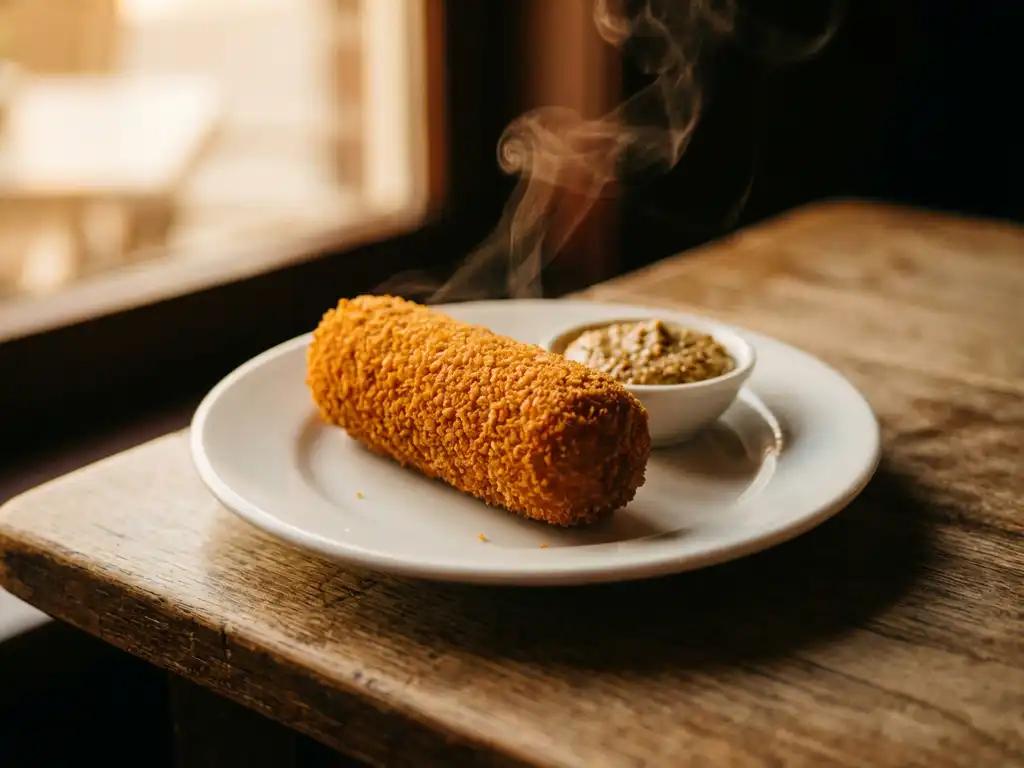
While bitterballen top the list, the Dutch snack landscape is rich and varied. Frikandel (a minced-meat sausage), kroket (an elongated version of the bitterbal), and patatje oorlog (fries with peanut sauce, mayonnaise, and raw onion) all compete for a place in the nation’s heart. The Dutch have a long tradition of deep-fried snacks, many of which are served from iconic vending-machine walls called FEBO, where you insert coins and pull out a hot snack directly from a heated compartment. It sounds unusual, but it becomes a completely normal part of expat life in the Netherlands after a few weeks.
What are bitterballen and why do Dutch people love them?
Bitterballen are small, deep-fried snacks made from a thick, slow-cooked ragout of beef or veal, mixed with butter and flour to create a firm filling. The mixture is then rolled into balls, coated in breadcrumbs, and fried until golden. Dutch people love them because they are indulgent, easy to share, and closely tied to social occasions.
The name comes from the word “bitter,” referring to the bitter-tasting Dutch gin (jenever) that bitterballen were traditionally served alongside. The snack was designed to complement a drink, and that pairing has never gone out of fashion. Today, bitterballen are served at everything from casual Friday afternoon drinks at the office to formal receptions and birthday parties. They are comfort food with genuine cultural weight—the kind of thing that makes Dutch people feel instantly at ease.
Part of the appeal is also the ritual around eating them. Bitterballen come out of the fryer extremely hot, so there is always a moment of warning, laughter, and shared impatience as everyone waits for them to cool down just enough to eat. That small shared experience is very Dutch in its own way.
Where can you find typical Dutch snacks in the Netherlands?
You can find typical Dutch snacks at snack bars (snackbars), FEBO vending-machine outlets, traditional brown cafés (bruine kroegen), supermarkets, and street food stalls throughout the Netherlands. Most cities and towns have at least one local snackbar that locals swear by.
For the full experience, here are the best places to look:
- Bruine kroegen (brown cafés): Traditional Dutch pubs where bitterballen and other snacks are menu staples
- FEBO and similar snack walls: Iconic self-service vending machines serving hot kroketten, frikandellen, and more
- Local markets: Many Dutch street markets sell stroopwafels, poffertjes (mini pancakes), and other traditional bites
- Supermarkets: Chains like Albert Heijn stock frozen bitterballen, kroketten, and other snacks you can prepare at home
In cities like Eindhoven and Tilburg, you will find snack culture alive and well in the city centres. Settling in the Netherlands becomes a lot more fun once you start exploring these local spots with colleagues or neighbours.
What is a ‘borrel’ and how do snacks fit into Dutch social life?
A borrel is an informal Dutch social gathering, typically involving drinks and snacks shared among colleagues, friends, or neighbours. It is one of the most important social rituals in the Netherlands, and bitterballen are almost always at the centre of the table. The borrel is less about the food and more about conversation and connection.
Understanding the borrel is genuinely useful for expat life in the Netherlands. It is how Dutch people unwind after work, celebrate a promotion, welcome a new colleague, or simply catch up. Borrels happen at offices, in living rooms, at cafés, and in community spaces. Saying yes to a borrel invitation is one of the easiest ways to build friendships and start feeling like you belong.
Snacks at a borrel serve a social function beyond just feeding people. They give everyone something to do with their hands, create natural conversation starters, and slow down the pace of eating so that people linger and talk longer. The Dutch are famously direct in conversation, and the informal setting of a borrel actually softens that directness and makes it easier to connect authentically.
How are Dutch snacks different from snacks in other countries?
Dutch snacks are distinct in their emphasis on deep-fried, savoury bites designed for sharing in social settings, rather than individual sweet or packaged snacks. The Dutch snack tradition leans heavily on ragout-filled fried foods, and the culture around eating them is communal and occasion-based rather than casual or on the go.
In many countries, snacking is a private, individual habit. In the Netherlands, snacks are almost always social. You do not eat a bitterbal alone at your desk; you eat it at a borrel with other people. This cultural difference surprises many newcomers who are used to snacks being a solitary comfort food.
Another notable difference is the Dutch love of combining sweet and savoury in unexpected ways. Patatje oorlog, for example, combines fries with peanut sauce and mayonnaise, a combination that sounds strange to many international visitors but tastes surprisingly good. Stroopwafels, thin caramel-filled waffle cookies, are another uniquely Dutch creation that has found fans all over the world. The snack culture here reflects a broader Dutch practicality: food should be satisfying, shareable, and unpretentious.
What Dutch snacks should you try first as a newcomer?
As a newcomer settling in the Netherlands, start with bitterballen, kroket, stroopwafel, and poffertjes. These four snacks cover the full range of Dutch snack culture, from the savoury social classics to the sweet street food treats, and they are widely available across the country.
If you want a structured tasting order, begin with the savoury side. Try a bitterbal at a local bruine kroeg with a small Dutch beer or a glass of jenever. Then move on to a kroket, ideally in a soft bread roll (broodje kroket), which is a classic Dutch lunch. For something sweet, buy a stroopwafel from a market stall and hold it over a hot cup of coffee for a minute so the caramel centre softens. Finish with poffertjes, small, fluffy pancakes dusted with powdered sugar, which you can find at most street markets.
Trying these snacks is not just about eating well. It is a genuine way to connect with Dutch culture, start conversations with locals, and feel more at home in your new environment. Food is a universal icebreaker, and the Dutch are usually delighted when internationals show genuine curiosity about their culinary traditions.
How Dutch on Track Helps You Feel at Home While Living in the Netherlands as an Expat
Understanding Dutch snacks and borrel culture is a great start, but truly feeling at home in the Netherlands means being able to join the conversation, not just watch from the sidelines. That is exactly what Dutch on Track is here for. We offer Dutch language courses specifically designed for expats, internationals, and their partners in Eindhoven and Tilburg, and we believe that learning a language should be fun, social, and connected to real life.
Our courses are built around the moments that actually matter when you are settling in the Netherlands:
- Small groups of 8 to 10 students, so you practise speaking in a warm, low-pressure environment and make genuine connections with fellow internationals
- A communicative approach that gets you talking from day one, because confidence comes from practice, not perfection
- Lessons after work hours (17:45 to 19:45) at central locations in Eindhoven and Tilburg, making it easy to fit into your busy schedule
- A blended learning method combining e-learning preparation, interactive classroom sessions, and consolidation, so every lesson builds on the last
Learning Dutch is one of the most rewarding things you can do as an expat in the Netherlands. It opens doors to friendships, helps you navigate daily life with confidence, and gives you the tools to actually participate in a borrel conversation rather than just smile and nod. Dutch on Track makes that journey accessible, enjoyable, and genuinely social. Schedule a free meeting to find out which course is the right fit for you, or explore our Beginner Dutch Course if you are just starting out.
Frequently Asked Questions
Can I find vegetarian or vegan versions of traditional Dutch snacks?
Yes, vegetarian and vegan versions of classic Dutch snacks are increasingly available. Many supermarkets like Albert Heijn now stock vegetarian bitterballen and kroketten made with mushroom or cheese ragout, and specialist snack bars in larger cities often offer plant-based alternatives. If you are cooking at home, it is also quite straightforward to make your own ragout using vegetable stock and meat substitutes while keeping the same crispy, golden coating.
What is the best way to eat a bitterbal without burning your mouth?
The golden rule is to wait at least two to three minutes after bitterballen arrive at the table before eating them, as the filling retains heat far longer than the crispy exterior suggests. When you do take a bite, dip it in mustard first and bite into it gently rather than popping the whole thing in your mouth at once. Dutch people will often warn newcomers about this with a knowing smile — consider it your unofficial initiation into local snack culture.
How do I host my own borrel at home as an expat?
Hosting a borrel is simpler than it sounds: pick up frozen bitterballen or kroketten from a supermarket like Albert Heijn, fry or oven-bake them according to the packet instructions, and serve with small pots of mustard alongside drinks like Dutch beer, jenever, or wine. Add a bowl of borrelnootjes (salted mixed nuts) and some cheese cubes on cocktail sticks, and you have a fully authentic spread. Inviting a mix of Dutch colleagues and fellow expats is a great way to bridge both worlds and practise your Dutch in a relaxed setting.
Are there regional differences in Dutch snack culture across the Netherlands?
Yes, while bitterballen and kroketten are universally loved, certain regions have their own snack loyalties and local specialities. In the south of the Netherlands, including Eindhoven and Tilburg, you will find a stronger influence from Belgian and Flemish food culture, with some local snackbars offering regional variations on classic fried snacks. Asking locals in your city which snackbar or bruine kroeg they recommend is a fantastic conversation starter and a reliable way to discover the best spots that do not appear in any guidebook.
Will knowing some Dutch phrases help me when ordering snacks or joining a borrel?
Absolutely — even a handful of basic Dutch phrases can make a noticeable difference when ordering at a snackbar or joining a workplace borrel. Simple expressions like 'Doe maar een bitterbal' (I'll have a bitterbal), 'Proost!' (Cheers!), or 'Lekker!' (Delicious!) will earn you genuine smiles and often spark longer conversations with Dutch colleagues and locals. Learning Dutch in a communicative, real-life context — as Dutch on Track teaches it — means you pick up exactly these kinds of practical, social phrases from the very first lesson.
What should I do if I have a food allergy and want to try Dutch snacks safely?
The most important step is to learn the Dutch words for your specific allergen before you start exploring snack culture, as staff at snackbars and FEBO outlets may not always speak fluent English. Common allergens to watch out for in traditional Dutch snacks include gluten (in breadcrumb coatings), dairy (in ragout fillings), and mustard (a frequent condiment). Supermarket-bought frozen snacks will have full ingredient labels in Dutch, which is also a practical way to practise reading the language while keeping yourself safe.
How long does it typically take expats to feel comfortable with Dutch food culture and social customs like the borrel?
Most expats report feeling noticeably more comfortable with Dutch food culture and social rituals like the borrel within the first two to three months of actively engaging with them — particularly when they say yes to invitations rather than waiting until they feel 'ready.' The key accelerator is language: even basic Dutch conversational skills dramatically reduce the social distance you feel at a borrel or local café. Combining genuine curiosity about Dutch customs with structured language learning is the fastest and most enjoyable path to truly feeling at home.