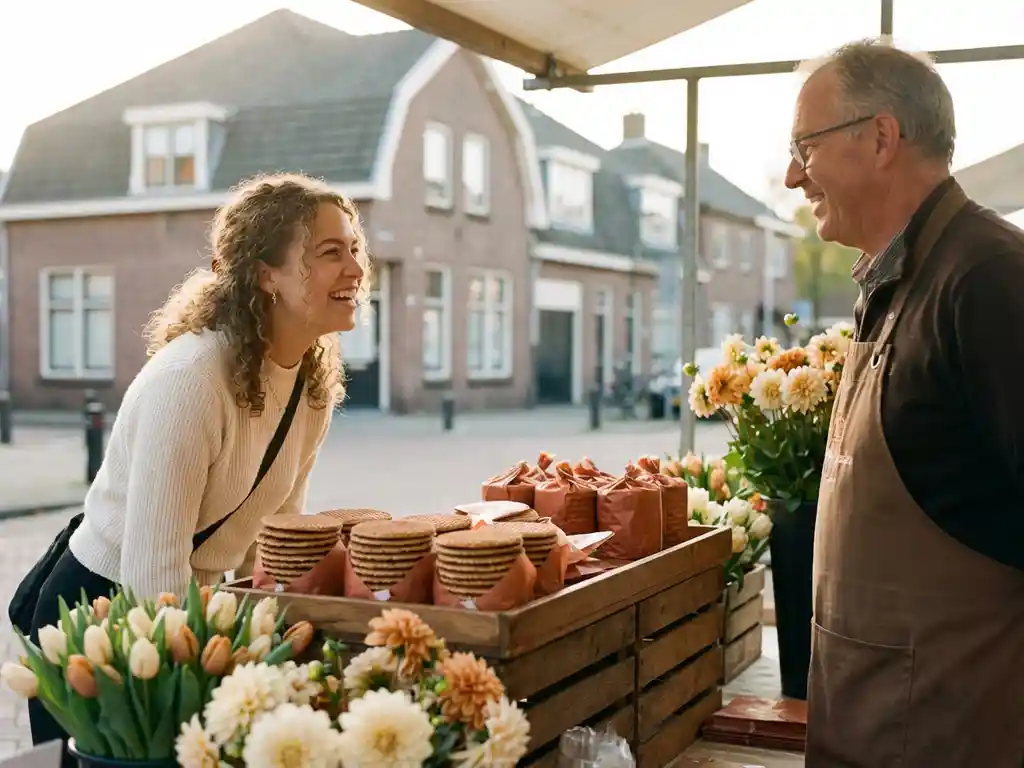
Why does your Dutch improve faster when you live in a smaller city like Eindhoven?
Moving to a new country is exciting, but it can also feel isolating—especially when a language barrier keeps you from truly connecting with the people around you. If you have recently arrived in Eindhoven or are considering a Dutch language course to get started, you may have heard that smaller cities offer a surprising advantage when it comes to learning Dutch. It turns out that the size and character of your environment play a much bigger role in your language progress than most people expect.
Whether you are an expat, a highly educated international professional, or the partner of someone who has relocated for work, understanding why Eindhoven accelerates Dutch learning can help you make smarter choices about how and when to invest in your language journey. Here are the most common questions people ask, answered directly.
Why do expats learn Dutch faster in smaller cities?
Expats learn Dutch faster in smaller cities because daily life encourages more authentic interaction with Dutch speakers. In a city like Eindhoven, you cannot easily retreat into an English-speaking bubble. Supermarkets, neighbors, local events, and community spaces all create regular, low-stakes moments to practice Dutch, which accelerates real-world language acquisition far more than classroom time alone.
In larger cities like Amsterdam, a strong international infrastructure means you can live comfortably for years without ever needing Dutch. Eindhoven offers a different experience. The city is internationally minded thanks to companies like ASML and the Brainport tech ecosystem language community, but it remains compact and community-oriented enough that Dutch is genuinely the language of everyday life. This creates a natural immersion environment that supports whatever you are learning in a structured online Dutch course or in class.
How does daily immersion in Eindhoven speed up language progress?
Daily immersion in Eindhoven speeds up language progress because every routine interaction becomes an opportunity to practice. Ordering coffee, chatting with a neighbor, reading signs, or following a local news story all reinforce vocabulary and grammar patterns in context. This kind of passive and active exposure between lessons is what transforms classroom knowledge into real fluency.
Language research consistently supports the idea that spaced repetition in real environments is one of the most powerful learning tools available. When you hear a phrase in class on Tuesday and then encounter it at the bakery on Thursday, your brain strengthens that neural connection in a way that no amount of studying alone can replicate. Eindhoven’s walkable neighborhoods, active local events scene, and tight-knit expat community create exactly this kind of layered exposure. The city becomes an extension of your classroom.
What makes small-group Dutch classes more effective for expats?
Small-group Dutch classes are more effective for expats because they provide more speaking time per student, a safer environment for making mistakes, and stronger peer connections. In a group of 8 to 10 people, every participant gets meaningful practice in each session, and the social dynamic encourages the kind of natural conversation that builds real confidence.
There is also a fun factor that larger classes simply cannot replicate. When you learn alongside a small group of fellow internationals who share your experience of navigating life in the Netherlands, lessons become genuinely enjoyable. You laugh at the same pronunciation challenges, celebrate the same small wins, and often end up building real friendships outside of class. This social dimension is not a side benefit; it is a core part of what makes the learning stick. Many students find that their classmates become some of their closest friends in the Netherlands, which is one of the most rewarding parts of the whole experience.
How does Eindhoven’s expat community support Dutch language learning?
Eindhoven’s expat community supports Dutch language learning by creating a social environment where practicing Dutch feels natural and low-pressure. The city has a well-established international community through Brainport, local expat groups, and cultural organizations, which means there are regular opportunities to use Dutch in friendly, welcoming settings outside of formal lessons.
Unlike cities where expats tend to cluster in isolated international circles, Eindhoven encourages integration. Local events, sports clubs, volunteer groups, and neighborhood initiatives are all accessible entry points into Dutch social life. When you combine this with a structured Dutch language course, your progress compounds quickly. You bring real questions and real experiences from your week into the classroom, and you leave with language tools you can immediately apply in your community. You can also learn more about our teaching approach and team to understand how the method is built around exactly this kind of real-world integration.
What common mistakes slow down Dutch progress for expats?
The most common mistakes that slow down Dutch progress for expats are avoiding speaking out of fear of making errors, relying too heavily on English in social situations, and treating language learning as a purely academic exercise rather than a social one.
Here are the habits that hold learners back most often:
- Waiting until they feel “ready” before speaking Dutch with native speakers
- Switching to English the moment a Dutch person responds in English
- Studying vocabulary in isolation without practicing it in real conversations
- Skipping lessons or practice during busy work periods, breaking momentum
The antidote to most of these mistakes is the same: embrace imperfection and speak anyway. Dutch people genuinely appreciate the effort, and making mistakes in a supportive group setting is actually one of the fastest ways to learn. A communicative teaching approach that encourages speaking from day one helps students break through this barrier early, which is why the method matters as much as the content. Tools like AI-powered Dutch practice between lessons can also help you keep momentum going outside the classroom.
When should expats in Eindhoven start taking Dutch lessons?
Expats in Eindhoven should start taking Dutch lessons as soon as possible after arriving, ideally within the first one to three months. The earlier you begin, the faster you build a foundation that makes daily life easier, more enjoyable, and less isolating. Waiting until you feel settled often means months pass without progress, and the language barrier quietly shapes your social world in ways you may not notice until later.
Starting early also means you begin making connections sooner. A Dutch class is one of the most natural and enjoyable ways to meet other internationals in the same situation as you. It combines self-development with social contact in a way that very few other activities do. Whether you are a complete beginner or have already picked up a few words, there is a level that fits where you are right now, and the sooner you start, the sooner Dutch becomes a tool for building the life you actually want here. You can schedule a free meeting to find your level and get started without any commitment.
How Dutch on Track helps you learn Dutch and feel at home in Eindhoven
Dutch on Track offers structured, social, and genuinely enjoyable Dutch language courses designed specifically for expats and internationals in Eindhoven and Tilburg. Our approach is built around the idea that language learning should feel like a real experience, not a chore, and that the classroom should be a place where you make progress and make friends.
Here is what makes our program stand out:
- Small groups of 8 to 10 students for more speaking time and stronger social connections
- A blended learning method combining e-learning preparation, interactive classes, and consolidation
- Courses from absolute beginner (A0) to intermediate (B1), including the 43-week “Dutch in 1 Year” program
- Evening classes after work hours at central locations in Eindhoven and Tilburg
Our certified teachers specialize in Dutch as a Second Language and use a communicative approach that gets you speaking from day one. Whether you are looking for an online Dutch course or prefer in-person lessons near Eindhoven Central Station, Dutch on Track has a format that fits your life. If you are ready to stop watching Dutch life from the sidelines and start participating in it, we would love to help you take that first step. Reach out to Dutch on Track today and find the course that is right for you.
Frequently Asked Questions
How long does it typically take to reach conversational Dutch as an expat in Eindhoven?
Most dedicated learners reach a conversational level (around A2–B1) within 9 to 12 months of consistent study combined with daily immersion. Programs like Dutch on Track's 'Dutch in 1 Year' are specifically designed around this timeline. Progress is faster when you actively use Dutch outside the classroom — even small daily habits like reading a Dutch news headline or ordering in Dutch at a café make a measurable difference over time.
What if Dutch people keep switching to English when I try to practice with them?
This is one of the most common frustrations for Dutch learners, and it happens because Dutch people are naturally accommodating and often switch to English out of politeness. The key is to gently but confidently persist — a simple phrase like 'Ik wil graag Nederlands oefenen, als het mag' (I'd like to practice Dutch, if that's okay) usually works well. Over time, as your fluency grows, Dutch speakers will naturally follow your lead and stick to Dutch.
Can I take a Dutch course if I have a very busy work schedule?
Absolutely — evening and blended learning formats are specifically designed for working expats. Dutch on Track, for example, offers evening classes at central Eindhoven and Tilburg locations, paired with e-learning preparation you can complete at your own pace. The key is choosing a course format that fits your weekly rhythm from the start, so that busy periods at work don't break your learning momentum.
Is it worth learning Dutch if my workplace and social circle are mostly English-speaking?
Yes — and arguably more so in that situation. Dutch fluency opens up social and professional opportunities that an English-only life in the Netherlands simply cannot provide: deeper relationships with local colleagues, access to Dutch community life, and a much stronger sense of belonging. Many expats report that learning Dutch was the single biggest factor in transforming the Netherlands from a temporary posting into a place they genuinely call home.
What level of Dutch do I need before I can start integrating into local social life?
You don't need to wait for any particular level — even basic A1 Dutch opens doors and signals genuine effort to the people around you. Dutch speakers respond very warmly to internationals who try, regardless of their level. Starting to engage socially from the very beginning of your language journey, even imperfectly, is actually one of the most effective ways to accelerate your progress toward higher levels.
Are there any free or low-cost ways to supplement a Dutch language course in Eindhoven?
Yes, several. The Dutch public broadcaster NPO offers free news and entertainment in Dutch, and apps like Duolingo or Anki can reinforce vocabulary between lessons at no cost. Locally, many Eindhoven libraries, community centers, and volunteer organizations host language cafés or conversation exchange meetups where you can practice Dutch for free. These resources work best as supplements to structured lessons rather than replacements, since they lack the guided feedback that accelerates real progress.
How do I choose between an online Dutch course and in-person classes in Eindhoven?
The right format depends on your learning style, schedule, and social goals. In-person classes offer richer social interaction, real-time feedback, and the added benefit of meeting fellow expats in your city — which many learners find invaluable for building a local network. Online courses offer more scheduling flexibility and are a strong option if your work hours or commute make fixed evening slots difficult. A blended approach, combining structured online preparation with live interactive sessions, is increasingly popular because it delivers the benefits of both formats.