How hard is it to find housing in the Netherlands as an expat?
Moving to the Netherlands is an exciting adventure, but finding a place to live can quickly become one of the most stressful parts of settling in. Whether you are relocating to Amsterdam, Eindhoven, or Tilburg, the Dutch housing market has a reputation for being tough, and expats often find themselves navigating unfamiliar rules, high demand, and fierce competition. Understanding what you are getting into makes the whole process a lot less overwhelming.
If you are planning your move or already searching for a home, this guide covers everything you need to know about expat life in the Netherlands when it comes to housing. From costs and locations to practical tips for speeding up your search, here is an honest look at what to expect.
How hard is it really to find housing in the Netherlands as an expat?
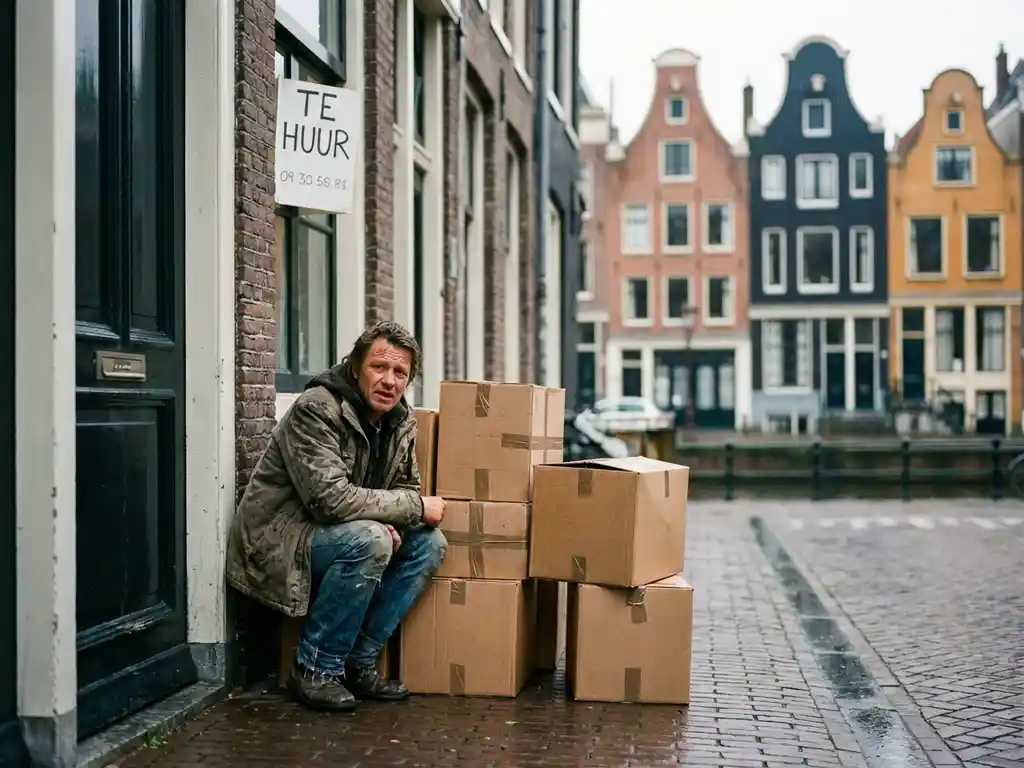
Finding housing in the Netherlands as an expat is genuinely challenging. Demand far outpaces supply in most cities, rental prices have risen sharply in recent years, and landlords often receive dozens of applications for a single property. Expats face the additional hurdle of not yet having a Dutch credit history or local references, which can put them at a disadvantage.
That said, it is not impossible. Many thousands of internationals successfully find homes in the Netherlands every year. The key is knowing where to look, acting quickly when something comes up, and understanding the local rental landscape before you start. Being well prepared gives you a real edge in a market where hesitation often means losing out.
Why is the Dutch housing market so competitive right now?
The Dutch housing market is competitive because the Netherlands has a structural housing shortage, particularly in urban areas. The country has a high population density, strong international demand driven by companies like ASML and Philips, as well as major logistics firms, and a social housing system that is largely inaccessible to newcomers. This combination pushes most expats into the private rental sector, where supply is limited.
Several factors have made the situation more intense in recent years. Construction has not kept pace with demand, interest rate changes have pushed some would-be buyers back into the rental market, and cities like Eindhoven and Tilburg have seen significant growth in their international workforce. The result is a private rental market where good properties move fast and competition is fierce.
What types of housing are available to expats in the Netherlands?
Expats in the Netherlands typically have access to three main types of housing: private rental apartments or houses, serviced apartments or short-stay accommodation, and expat-focused housing platforms. Social housing is generally not accessible to newcomers due to long waiting lists that can stretch for many years.
- Private rental: The most common route, found through platforms like Funda, Pararius, and Kamernet.
- Short-stay or serviced apartments: A practical option for the first few months while you search for something permanent.
- Expat housing agencies: Specialist agencies that cater specifically to internationals and can help you navigate the process.
- Employer-arranged housing: Some companies, particularly larger multinationals, assist new hires with temporary or permanent accommodation.
The type of housing that suits you best will depend on your timeline, budget, and whether you are arriving alone or with a family. Many expats start with short-stay accommodation to avoid rushing into a long-term commitment before they have had a chance to explore the city properly.
How much does it cost to rent a home in the Netherlands as an expat?
Rental costs in the Netherlands vary significantly by city and property type, but expats should generally budget between 1,200 and 2,500 euros per month for a decent apartment in a major city. Larger family homes or properties in central locations will be at the higher end of that range or beyond.
Cities like Amsterdam and Utrecht tend to be the most expensive. Eindhoven and Tilburg, which are popular with expats working in the tech and manufacturing sectors, generally offer more reasonable prices while still providing an excellent quality of life. In addition to rent, factor in a security deposit of one to two months, agency fees if applicable, and utilities, which are typically not included in Dutch rental prices.
Where is the best place to live in the Netherlands as an expat?
The best place to live in the Netherlands as an expat depends on where you work, what lifestyle you want, and how important it is to be near a strong international community. Amsterdam is the most cosmopolitan option but comes with the highest costs. Eindhoven is a top choice for tech and design professionals, with a growing expat scene and more affordable housing. Tilburg offers a relaxed, student-friendly atmosphere with good transport links.
For expats settling in the Netherlands with families, cities like Den Bosch, Breda, and Utrecht offer excellent international schools, green spaces, and a welcoming community feel. Proximity to your workplace, good public transport, and access to international schools or expat networks are the most important factors to weigh when choosing your city or neighbourhood.
How can expats find housing in the Netherlands faster?
Expats can speed up their housing search by registering on multiple platforms at once, setting up instant alerts for new listings, and being ready to respond within hours rather than days. Having your documents prepared in advance, including proof of income, a letter from your employer, and a copy of your passport, can make the difference when a landlord is choosing between applicants.
Working with a local real estate agent or expat housing specialist is another effective strategy, particularly if you are searching remotely before your arrival. Many expats also find that joining local Facebook groups, expat forums, and community networks surfaces listings that never make it to the big platforms. Word of mouth remains surprisingly powerful in the Dutch housing market.
How Dutch on Track Helps You Feel at Home in the Netherlands
Finding a home is just the first step. Truly settling in the Netherlands means building a social life, understanding the culture, and feeling confident enough to navigate daily life in Dutch. That is exactly where Dutch on Track comes in. Learning the language is not just practical; it is one of the most enjoyable and effective ways to connect with people, make friends, and feel genuinely at home.
Our Dutch language courses are designed specifically for expats and internationals in Eindhoven and Tilburg. Here is what makes them different:
- Small groups of 8 to 10 students, so you actually get to know your classmates and build real friendships along the way.
- A communicative approach that gets you speaking from day one, which means you gain confidence fast and start using Dutch in real situations immediately.
- Convenient after-work hours (17:45 to 19:45) at central locations near both Eindhoven and Tilburg train stations, making it easy to fit around your schedule.
Beyond the language skills, our courses are genuinely fun. You will laugh, make mistakes, learn together, and build the kind of social connections that make a new country feel like home. Many of our students describe their Dutch class as the highlight of their week, not just because of the progress they make, but because of the community they find there. If you are ready to take that step, schedule a free meeting with Dutch on Track and find out which course is the right fit for you. Or explore our Beginner Dutch Course if you are just starting out.
Frequently Asked Questions
Can I rent a home in the Netherlands before I arrive, or do I need to be there in person?
It is possible to rent remotely, but it comes with risks — some landlords and agencies require an in-person viewing before signing a contract, and you cannot always verify the property’s condition from abroad. Working with a reputable expat housing agency or a trusted local contact can help bridge the gap. Many expats choose to book short-stay or serviced accommodation for their first one to three months, giving them time to visit properties in person and make a more informed long-term decision.
What documents do I need to have ready when applying for a rental in the Netherlands?
Most landlords and agencies in the Netherlands will ask for a valid passport or ID, recent payslips (typically the last one to three months), an employer’s letter confirming your contract and salary, and sometimes a bank statement. If you are self-employed or a freelancer, you may need to provide additional financial documentation such as tax returns or a client contract. Having these documents translated into English or Dutch and ready to send at short notice can significantly improve your chances in a competitive market.
Are there any common mistakes expats make when renting in the Netherlands that I should avoid?
One of the most common mistakes is underestimating how quickly properties are taken — waiting a day or two to respond to a listing is often enough to lose it entirely. Another frequent pitfall is not reading the rental contract carefully, particularly clauses around notice periods, maintenance responsibilities, and what happens at the end of the lease. It is also worth verifying that the landlord or agency is legitimate before transferring any deposit, as rental scams targeting expats do exist, especially on general listing sites.
How long does it typically take to find a rental property in the Netherlands as an expat?
The timeline varies widely depending on the city, your budget, and how flexible you are on location and property type. In highly competitive markets like Amsterdam or central Eindhoven, it can take anywhere from a few weeks to several months to secure the right place. Setting up alerts on multiple platforms, expanding your search radius slightly, and being flexible on move-in dates can all help shorten the process. Planning for a minimum of four to eight weeks of active searching is a realistic expectation for most expats.
Do I need a BSN (citizen service number) before I can rent a home in the Netherlands?
You do not necessarily need a BSN to sign a rental contract, but you will need one to register at your new address with the municipality, which is a legal requirement in the Netherlands. Some landlords may ask for a BSN as part of their tenant screening process, though many are accustomed to working with newly arrived expats who do not yet have one. Registering with your local municipality as soon as you have a fixed address is an important early step that unlocks access to healthcare, banking, and other essential services.
Is it worth learning Dutch to help with the housing search and settling in more broadly?
While many Dutch people speak excellent English, knowing even basic Dutch can make a meaningful difference — from understanding rental listings and contracts to building rapport with landlords and neighbours. Beyond the practical side, learning Dutch is one of the fastest ways to feel genuinely at home, build a local social network, and integrate into daily life. Many expats find that starting a Dutch language course shortly after arriving gives them both the confidence and the community connections that make the Netherlands feel less like a temporary posting and more like a real home.
What should I know about tenant rights and rental regulations in the Netherlands?
The Netherlands has a points-based system (the woningwaarderingsstelsel) that regulates maximum rents for social housing, but most expats rent in the free-market (liberalised) sector where prices are less regulated. That said, tenants in the Netherlands do have strong legal protections, including rules around deposit returns, maintenance obligations, and notice periods. As of 2024, new regulations have been introduced to bring more mid-range rentals under rent control, so it is worth checking the current rules or consulting a tenant advisory service (Huurteam) if you feel your rent may be unreasonably high.