How is life for expats in the Netherlands?
Moving to the Netherlands is an exciting adventure, but it comes with its fair share of challenges. From navigating the famously direct Dutch communication style to figuring out how to build a social life from scratch, expat life in the Netherlands is a unique experience that blends incredible opportunities with real cultural learning curves. Whether you are just considering the move or already settling in the Netherlands, this guide answers the questions most expats ask.
The good news is that the Netherlands consistently ranks as one of the most expat-friendly countries in the world, with a strong international community, excellent infrastructure, and a high quality of life. But feeling truly at home takes more than just finding a good apartment and a reliable bike. It takes connection, cultural understanding, and often a willingness to step outside your comfort zone.
What is daily life like for expats in the Netherlands?
Daily life for expats in the Netherlands is generally comfortable, well organized, and internationally oriented. The country has strong public transport, a high standard of healthcare, excellent English proficiency among locals, and a vibrant food and culture scene. Most expats find the practical side of living in the Netherlands relatively straightforward.
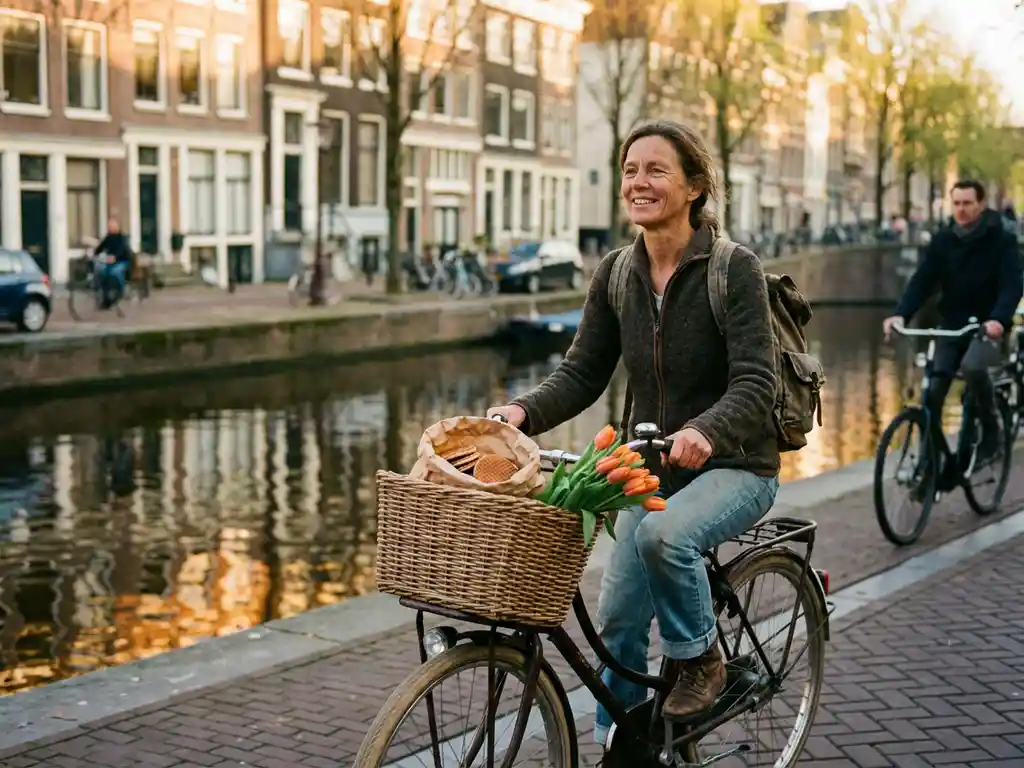
That said, daily life does come with its quirks. The Dutch have a strong culture of planning ahead, so spontaneous social visits are less common than in many other countries. Cycling is not just a hobby but a genuine mode of transport, and you will quickly learn that the bike lane is sacred. Supermarkets close earlier than many expats expect, and Dutch bureaucracy, while efficient, requires patience and the right paperwork.
The weather is another adjustment. Grey skies and rain are part of the package for much of the year, which makes it all the more important to build an active social life and find indoor communities where you feel welcome and engaged.
How easy is it to make friends as an expat in the Netherlands?
Making friends as an expat in the Netherlands can feel surprisingly difficult at first, even though Dutch people are generally polite and helpful. The challenge is that Dutch social circles tend to be well established from school and childhood, which can make it hard for newcomers to break in. Friendships here tend to develop slowly and deliberately rather than quickly and casually.
Most expats find it easier to connect with other internationals initially, and there are plenty of expat communities, meetup groups, and social clubs across cities like Eindhoven and Tilburg. The key is to put yourself in recurring social situations where relationships can develop naturally over time.
One of the most underrated ways to meet people is through a shared learning experience. Joining a Dutch language course, for example, immediately puts you in a small group of people who are all going through the same journey. You share laughs over pronunciation mistakes, celebrate small wins together, and build a genuine sense of community. It is social integration and language learning rolled into one enjoyable experience.
What are the biggest cultural differences expats notice in the Netherlands?
The biggest cultural differences expats notice in the Netherlands typically include Dutch directness, the importance of punctuality, a strong sense of equality and informality, and a deeply ingrained cycling culture. These differences can feel jarring at first but become fascinating once you understand the values behind them.
Dutch directness is perhaps the most commented-on cultural trait. Where many cultures soften feedback or disagreement with diplomatic language, Dutch people tend to say exactly what they mean. This is not rudeness but a sign of respect and honesty. Once you understand this, many interactions that initially felt blunt start to feel refreshingly clear.
Equality is another cornerstone of Dutch culture. Hierarchy is less visible in workplaces and social settings, and people generally treat each other as peers regardless of title or background. This can feel liberating for some expats and confusing for others who are used to more formal structures.
- Dutch people value personal space and scheduled plans over spontaneous visits
- Splitting the bill (going Dutch) is genuinely common and not considered impolite
- Sustainability and environmental awareness are deeply embedded in daily life
- Work-life balance is taken seriously, and overtime is not typically glorified
Why do expats struggle to integrate into Dutch society?
Expats struggle to integrate into Dutch society mainly because of the language barrier, the closed nature of existing social networks, and cultural misunderstandings around Dutch communication styles. Without speaking Dutch, many everyday interactions remain transactional, and deeper connections with locals are harder to form.
The Netherlands has an exceptionally high level of English proficiency, which is a blessing in practical terms but can actually slow down integration. Because locals switch to English so readily, expats rarely feel the urgent pressure to learn Dutch, and as a result, they can live in a comfortable international bubble for years without truly connecting to Dutch culture.
Cultural misunderstandings also play a role. Expats who interpret Dutch directness as unfriendliness may pull back socially, reinforcing their sense of isolation. Understanding that a Dutch colleague who gives blunt feedback is actually showing trust and respect can completely change how you experience those interactions.
How can learning Dutch help expats feel more at home?
Learning Dutch helps expats feel more at home by opening up everyday conversations, reducing social anxiety, and signaling genuine effort to integrate. Even basic Dutch skills transform interactions at the bakery, the school gate, or the local market from awkward exchanges into warm, connecting moments.
Language is culture. When you learn Dutch, you do not just learn words and grammar. You start to understand how Dutch people think, what they value, and how they express themselves. Phrases and idioms reveal a sense of humor, a directness, and a practicality that helps you appreciate the culture rather than feel confused by it.
Beyond the practical benefits, the process of learning Dutch in a group setting is genuinely fun. You practice real-life scenarios, laugh at your own mistakes in a safe environment, and build confidence week by week. The social dimension of group language learning should not be underestimated. It is one of the most natural ways to meet like-minded people who are on the same journey as you.
What should expats know before moving to the Netherlands?
Before moving to the Netherlands, expats should know that registering with the municipality (gemeente) is mandatory and must be done promptly, that healthcare requires a personal insurance policy, and that the Dutch rental market is competitive and moves fast. Being prepared for these practicalities makes the first weeks significantly smoother.
Beyond logistics, it helps to arrive with an open mind about cultural differences. Do not take directness personally. Learn to love the bike. Embrace the concept of gezelligheid, a uniquely Dutch sense of coziness and togetherness that sits at the heart of social life here. Understanding this concept alone can help you feel far more connected to the culture.
It is also worth knowing that integration takes time and intentional effort. The expats who thrive in the Netherlands tend to be those who actively seek out community, whether through sports clubs, volunteer work, neighborhood groups, or language courses. Waiting for Dutch social life to come to you is a strategy that rarely works. Going out to meet it is what makes the difference.
If you are considering a Beginner Dutch Course, starting before you arrive or in your first few months can give you a significant head start on both language and social connection.
How Dutch on Track helps expats feel at home in the Netherlands
Dutch on Track is specifically designed for expats, international professionals, and their partners who want to learn Dutch and genuinely connect with life in the Netherlands. We understand that language learning is about far more than grammar. It is about confidence, community, and belonging.
Here is what makes our approach different:
- Small groups of 8 to 10 students create a warm, social environment where friendships form naturally
- Our communicative method means you speak Dutch from day one, building real confidence fast
- Evening classes after work (17:45 to 19:45) fit around your professional schedule
- Our blended learning method combines online preparation, interactive classroom sessions, and consolidation so progress sticks
Our courses run from absolute beginner (A0) all the way to intermediate (B1), including the flagship Dutch in 1 Year program that takes you from zero to conversational in 43 weeks. Classes are held at central locations in Eindhoven and Tilburg, making it easy to get there straight from work. Beyond the language skills, students consistently tell us that the course becomes a highlight of their week because of the people they meet and the fun they have along the way.
If you are ready to start your Dutch language journey and build real connections in the Netherlands, schedule a free meeting with Dutch on Track today and find out which course is the right fit for you.
Frequently Asked Questions
How long does it typically take for expats to feel truly settled in the Netherlands?
Most expats report that it takes anywhere from one to two years to genuinely feel at home in the Netherlands, though this varies greatly depending on how actively you pursue integration. Those who invest early in learning Dutch, joining local clubs, or taking a language course tend to reach that sense of belonging significantly faster. The key is consistent, intentional effort rather than waiting for connections to happen organically.
Do I really need to learn Dutch if almost everyone speaks English?
While you can absolutely survive in the Netherlands without Dutch, relying solely on English keeps you in a surface-level relationship with the country and its people. Dutch proficiency unlocks warmer interactions with locals, better job prospects, and a much deeper understanding of the culture and humor. Think of English as a practical safety net and Dutch as the key that actually opens doors to belonging.
What are the most common mistakes expats make when trying to integrate socially in the Netherlands?
The most common mistakes include misreading Dutch directness as coldness and withdrawing socially as a result, relying too heavily on the expat bubble without making efforts to connect with locals, and expecting friendships to form quickly the way they might back home. Another frequent pitfall is skipping Dutch language learning because English feels sufficient, which inadvertently limits the depth of connection you can build with Dutch colleagues, neighbors, and communities.
Are there specific cities in the Netherlands that are more expat-friendly than others?
Amsterdam is the most internationally known, but cities like Eindhoven, Rotterdam, Utrecht, and The Hague all have thriving expat communities and strong international infrastructure. Eindhoven in particular, as a tech and design hub, has a large and well-connected international professional community. Tilburg is another growing option with a strong university presence and a welcoming, less hectic atmosphere than the capital.
What practical steps should I take in my first month after arriving in the Netherlands?
In your first month, prioritize registering at your local gemeente (municipality) to get your BSN number, arranging Dutch health insurance, and opening a Dutch bank account, as these are the foundations everything else builds on. Once the essentials are in place, shift focus to community: find a Dutch language course, explore local sports clubs or hobby groups, and get on a bike to explore your neighborhood. Starting your social and language integration early makes a measurable difference in how quickly you feel at home.
What is 'gezelligheid' and how can expats experience it in daily life?
Gezelligheid is a distinctly Dutch concept that roughly translates to a warm, cozy sense of togetherness — the feeling of being comfortable, connected, and present with people you enjoy. You experience it in a candlelit café with good friends, a lively dinner table, or even a fun classroom setting where everyone is laughing through a Dutch pronunciation exercise. As an expat, you can actively seek out gezelligheid by joining recurring group activities where familiarity builds over time, which is exactly why small-group language courses and local clubs are such effective entry points into Dutch social life.
Is it too late to start learning Dutch if I have already been living in the Netherlands for a few years?
Absolutely not — in fact, many expats find that starting Dutch after a year or two of living in the Netherlands is even more rewarding, because you already have real-life context for the vocabulary and situations you practice. You will immediately recognize words from shop signs, colleagues, and daily life, which accelerates learning and makes it feel highly relevant. Starting at any stage is far more valuable than waiting for the u0022perfectu0022 moment that never quite arrives.
Related Articles
- Should you choose Dutch classes in Helmond or an online Dutch course?
- How do Dutch people really feel about expats who don't learn the language?
- How do you open a bank account in the Netherlands as an expat?
- What is the climate like in the Netherlands?
- What is the difference between online and classroom Dutch courses?