Is it difficult for an American to move to the Netherlands?
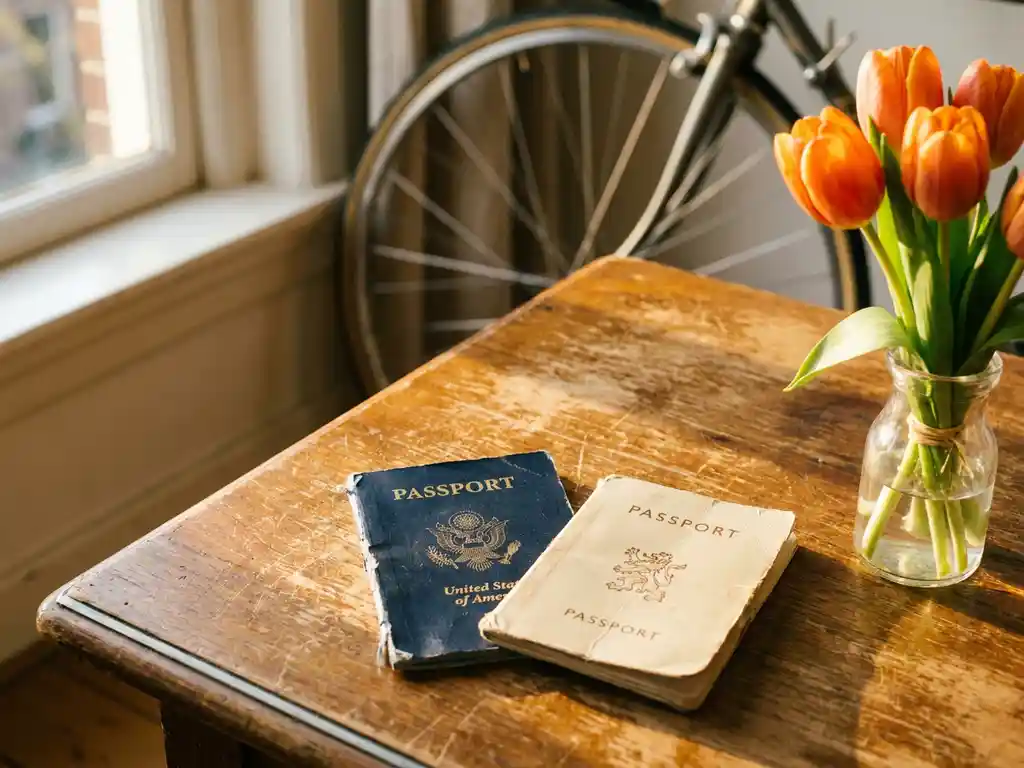
Moving to the Netherlands as an American is genuinely manageable, but it does come with real challenges. Dutch bureaucracy, the housing market, and cultural directness can catch newcomers off guard. That said, the Netherlands consistently ranks among the most expat-friendly countries in Europe, with a high quality of life, excellent infrastructure, and a population that speaks near-perfect English. This article unpacks the most common questions Americans ask before and after making the move.
What makes the Netherlands a popular destination for Americans?
The Netherlands attracts Americans because it combines a high standard of living with strong international connectivity, a stable economy, and a deeply international mindset. Cities like Amsterdam, Eindhoven, and Tilburg are home to large expat communities, multinational employers, and world-class universities, making the country an accessible entry point into European life.
Beyond the professional opportunities, the Netherlands offers a practical quality of life that appeals to Americans. Public transport is reliable, healthcare is excellent, and the country is compact enough to explore easily by bike or train. The Dutch also have a long history of openness to foreigners, partly shaped by centuries of international trade. English proficiency is among the highest in the world outside native-speaking countries, which means day-to-day life rarely requires Dutch in the early months.
For families, the international school system is well developed, and child-friendly infrastructure makes the country particularly appealing to expat households. Many Americans who move for a two-year work assignment end up staying far longer.
How hard is it to get a visa or residence permit as an American?
Getting a visa or residence permit as an American moving to the Netherlands depends heavily on your reason for moving. Americans do not need a visa for short stays under 90 days, but for longer stays you will need a valid purpose such as employment, study, self-employment, or joining a partner. The most common route for working Americans is the highly skilled migrant permit, sponsored by a registered Dutch employer.
The application process is handled through the Dutch Immigration and Naturalisation Service (IND). Processing times and documentation requirements vary by permit type, but the system is generally well organized compared to immigration processes in many other countries. Americans who move as the partner of a highly skilled migrant can apply for a dependent residence permit, which typically allows them to work without additional restrictions.
One important practical note: you will need to register with your local municipality (gemeente) within five days of arriving, and you will need a Dutch address to do so. Finding housing before you arrive, or arranging temporary accommodation, is essential for getting this step right.
What are the biggest cultural differences Americans notice in the Netherlands?
The biggest cultural shift Americans notice in the Netherlands is directness. The Dutch communicate bluntly and honestly, without the social softening that Americans often use. A Dutch colleague who disagrees with your idea will say so plainly, and this can feel rude or cold at first, even though it is simply a different cultural norm around honesty and efficiency.
Other notable differences include:
- A strong emphasis on equality and modesty. Standing out or boasting is generally frowned upon.
- Punctuality and planning. Spontaneous visits or last-minute social plans are less common. People schedule time together in advance.
- Work-life separation. Dutch professionals tend to protect their personal time firmly, which can feel distant to Americans used to more fluid social-professional mixing.
- Cycling as a genuine mode of transport, not a hobby. Not owning a bike in the Netherlands quickly becomes an inconvenience.
These differences are not barriers, but they do require a mindset shift. Americans who approach Dutch directness with curiosity rather than defensiveness tend to adapt much faster and build more genuine connections.
How difficult is it to make friends as an American expat in the Netherlands?
Making friends as an American expat in the Netherlands takes more intentional effort than many people expect. The Dutch tend to have close-knit social circles formed during school and university years, which can make breaking in as an adult newcomer feel slow. Many expats describe the Dutch as friendly but hard to get truly close to in the first year.
The most effective strategy is to join structured activities where repeated contact happens naturally. Expat groups, sports clubs, volunteer organizations, and language courses all create the kind of regular, low-pressure interaction that builds real friendships over time. Language learning in particular is a surprisingly powerful social tool. Joining a Dutch course puts you in a room with other internationals who are navigating the same experience, and that shared context creates connection quickly.
The fun and community aspect of learning together should not be underestimated. Many expats who join group Dutch lessons describe their classmates as some of their first real friends in the Netherlands. The classroom becomes a social space as much as an educational one, and that sense of belonging can make a significant difference in how settled you feel.
Do Americans need to learn Dutch to live in the Netherlands?
Americans can function in the Netherlands without speaking Dutch, especially in major cities where English is widely spoken. Most Dutch people switch to English immediately when they notice a foreigner struggling, which is helpful in the short term but can actually slow language progress if you rely on it. For professional integration and deeper social connection, learning Dutch makes a meaningful difference.
Beyond practicality, learning Dutch signals respect for the country you have chosen to live in. Dutch people genuinely appreciate when internationals make the effort, even imperfectly. It opens doors in professional settings, makes navigating bureaucracy far easier, and dramatically improves your ability to connect with Dutch neighbors, parents at school, and local communities.
For expat partners especially, language skills are closely tied to independence and confidence. Being able to handle a doctor’s appointment, a conversation with a school teacher, or a chat with a neighbor without relying on your partner changes your daily experience entirely. Starting from absolute beginner level is completely normal, and structured courses designed for internationals make the process far less daunting than self-study.
What practical challenges should Americans expect when settling in?
The most common practical challenges Americans face when settling in the Netherlands include finding housing, understanding the healthcare system, navigating Dutch bureaucracy, and adjusting to a different banking setup. None of these are insurmountable, but each requires preparation and patience.
Housing is the most urgent challenge. The Dutch rental market, particularly in cities like Amsterdam and Eindhoven, is competitive and expensive. Starting your search early and working with a registered rental agent (makelaar) is strongly recommended. Be aware that many landlords require proof of income, a Dutch bank account, and sometimes a local guarantor.
Other practical adjustments include setting up a DigiD (your digital identity for all government interactions), registering with a local GP (huisarts), and understanding how the Dutch health insurance system works. Unlike the US, health insurance in the Netherlands is mandatory and structured differently, with a basic package (basisverzekering) required for all residents.
Americans also often underestimate how much of daily Dutch life is conducted in Dutch, even when people speak English. Official letters, school communications, government portals, and local service providers default to Dutch. Building at least a functional reading level in the language saves considerable frustration over time.
How Dutch on Track Helps with Expat Life in the Netherlands
One of the most practical steps you can take after arriving in the Netherlands is investing in your Dutch language skills early. Dutch on Track offers group Dutch courses specifically designed for highly educated internationals, including expat partners, in Eindhoven and Tilburg. The approach is communicative from day one: you speak, practice, and build confidence rather than memorizing grammar in isolation.
Here is what makes the program genuinely useful for Americans settling in:
- Small groups of 8 to 10 participants, so you get real speaking time and make real connections with fellow internationals.
- A blended learning method that combines e-learning preparation, interactive classroom sessions, and consolidation, fitting around a busy expat schedule.
- Lessons after work hours (17:45 to 19:45) at central locations in Eindhoven and Tilburg, both easy to reach without a car.
- Courses from absolute beginner (A0) all the way to intermediate (B1), including the flagship Dutch in 1 Year program.
Beyond the language itself, our courses give you a social anchor during what can be an isolating period. Classmates become friends. Confidence in Dutch becomes confidence in daily life. If you are ready to stop relying on others for basic communication and start building real independence in the Netherlands, schedule a free introductory meeting with Dutch on Track and take the first step.
Frequently Asked Questions
How long does it typically take to feel settled as an American in the Netherlands?
Most Americans report that the first three to six months are the most disorienting, as you are simultaneously navigating housing, bureaucracy, a new work environment, and cultural adjustment all at once. By the end of the first year, the majority of expats feel functionally settled, meaning they can handle daily life independently and have begun building a social circle. Feeling truly at home — with genuine friendships and a sense of belonging — often takes closer to two years, and investing early in language learning and community activities significantly shortens that timeline.
Can my spouse or partner work in the Netherlands if they move with me on a dependent permit?
Yes, in most cases. If your partner holds a highly skilled migrant permit, you as the dependent permit holder are generally entitled to work in the Netherlands without needing a separate work permit. However, it is important to verify the exact conditions of your specific permit with the IND, as rules can vary depending on the permit type and your partner’s employer. Many expat partners use this window to explore freelance work, part-time employment, or further education while building their Dutch language skills.
What are the most common mistakes Americans make when moving to the Netherlands?
The most common mistake is underestimating the housing market and starting the search too late — in cities like Amsterdam and Eindhoven, good rentals move extremely fast, and arriving without secured accommodation creates real complications for your municipality registration. A second frequent mistake is assuming English will be enough long-term and delaying Dutch language learning, which can lead to social isolation and over-dependence on a partner or colleagues. Finally, many Americans misread Dutch directness as unfriendliness and pull back socially, when in fact leaning in with the same openness tends to be warmly received.
Is the Netherlands a good place to raise children as an American expat family?
The Netherlands is widely considered one of the best countries in the world for raising children, and it consistently ranks at or near the top of UNICEF’s child well-being indices. International schools are well established in cities like Amsterdam, Eindhoven, and The Hague, offering IB and American-curriculum options for expat families. The infrastructure is exceptionally child-friendly — safe cycling routes, generous parental leave policies, and a culture that genuinely values family time make day-to-day life with children noticeably less stressful than in many American cities.
How does the cost of living in the Netherlands compare to major US cities?
The Netherlands is generally less expensive than cities like New York or San Francisco, but more expensive than mid-sized American cities when you factor in housing, taxes, and the overall cost structure. Rent in Amsterdam is high by European standards, though cities like Eindhoven and Tilburg offer significantly more affordable options. Healthcare costs feel lower day-to-day since the mandatory basic insurance (basisverzekering) is structured and predictable, but income taxes are higher than most Americans are used to — something worth factoring into salary negotiations before you move.
What level of Dutch do I need to apply for permanent residency or Dutch citizenship?
To apply for a Dutch permanent residence permit (after five years of legal residence), you are generally required to demonstrate Dutch language proficiency at the A2 level and pass the civic integration exam (inburgeringsexamen). For naturalization as a Dutch citizen, the language requirement rises to B1 level, along with additional integration requirements. Starting your Dutch language journey early — ideally in your first year — means you reach these milestones naturally as part of daily life rather than scrambling to prepare for an exam under pressure.
Are there specific Dutch language courses designed for expats who work full time?
Yes, and this is worth prioritizing when choosing a course. Programs like Dutch on Track are specifically structured around the schedules of working internationals, with evening classes and a blended learning format that combines online preparation with interactive classroom sessions. This means you are not choosing between your career and your language progress. Small group sizes also ensure you actually speak during class rather than sitting passively, which makes a significant difference in how quickly you build real-world confidence in Dutch.
Related Articles
- Should you choose Dutch classes in Helmond or an online Dutch course?
- The best Dutch courses for international employees: 7 things HR should compare
- Will the Netherlands pay you to come live there?
- Can you improve your Dutch pronunciation through courses?
- What is the difference between basic and advanced Dutch courses?