Is the Netherlands good for American expats?
The Netherlands consistently ranks among the most welcoming countries in Europe for international residents, and Americans are no exception. With a high standard of living, excellent infrastructure, and a famously English-speaking population, it is easy to see why so many Americans choose the Netherlands as their new home. But living in the Netherlands as an expat comes with its own unique set of joys and challenges worth understanding before you arrive.
Whether you are considering a move for work, love, or adventure, this guide answers the most common questions Americans ask about living in the Netherlands as an expat. From cultural integration to the cost of daily life, here is what you genuinely need to know.
Is the Netherlands a good place for Americans to live?
Yes, the Netherlands is widely considered an excellent destination for American expats. The country offers a high quality of life, a well-organized healthcare system, reliable public transport, and a population that speaks English at a remarkably high level. Cities like Amsterdam, Eindhoven, and Tilburg have established international communities that make settling in feel manageable from the start.
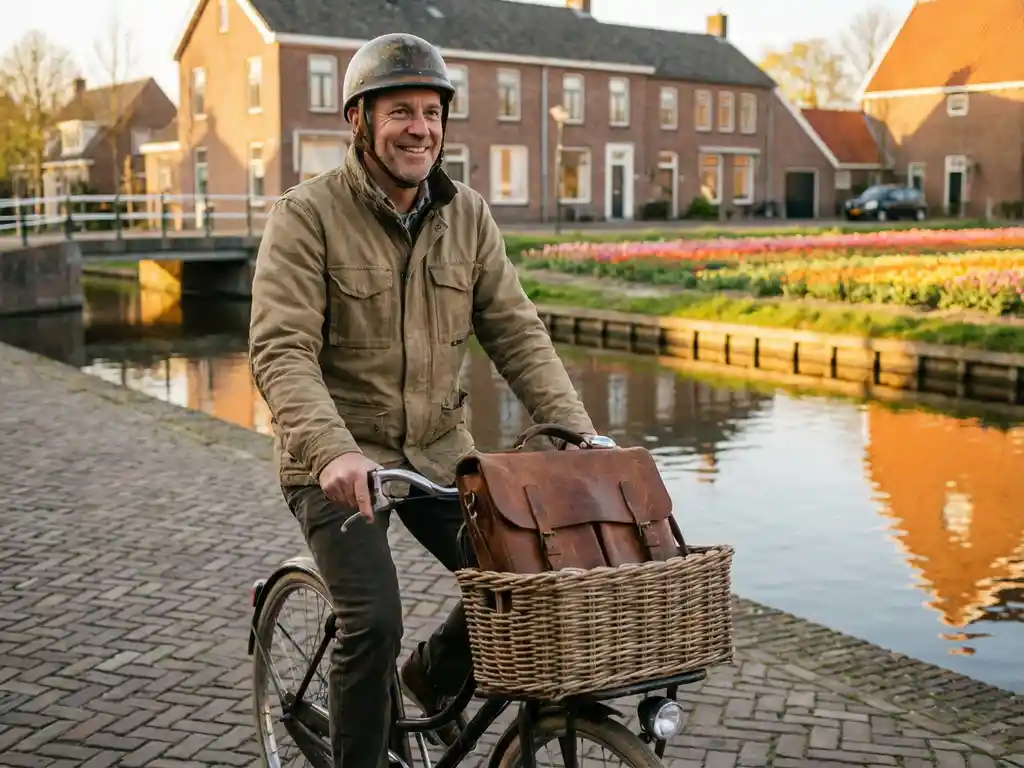
Beyond the practicalities, the Netherlands offers a lifestyle that many Americans find genuinely appealing. The cycling culture, compact city centers, and emphasis on work-life balance create a pace of life that feels both efficient and enjoyable. The country is also centrally located in Europe, making weekend travel to neighboring countries easy and affordable.
The Dutch are known for being direct, open-minded, and internationally oriented. While cultural adjustment takes time, most Americans find the Netherlands to be a safe, progressive, and socially comfortable place to build a new chapter of their lives.
What are the biggest challenges American expats face in the Netherlands?
The biggest challenges American expats face in the Netherlands are Dutch directness, social integration, bureaucracy, and gray winter weather. While the country is welcoming on the surface, breaking into Dutch social circles takes real effort, and the cultural communication style can feel blunt or even cold to Americans used to warmer social niceties.
Cultural and social adjustment
Dutch directness is probably the most commonly mentioned culture shock for Americans. Where Americans might soften feedback or use small talk to build rapport, the Dutch tend to say exactly what they mean without much cushioning. This is not rudeness; it is simply a different cultural norm, but understanding that distinction takes time and experience.
Making genuine Dutch friends is another challenge that surprises many expats. The Dutch tend to have close-knit social circles formed during school and university years, which can feel difficult to break into as a newcomer. This is one reason why building connections within the expat community first, while gradually expanding outward, tends to work well.
Practical hurdles
On the practical side, registering with the municipality (gemeente), opening a Dutch bank account, and navigating the healthcare system all require patience. Forms and official processes are increasingly available in English, but some bureaucratic steps still require Dutch language skills or a helpful local contact to guide you through.
Do Americans need to learn Dutch to live in the Netherlands?
Technically, no. Americans can live and work in the Netherlands without speaking Dutch, especially in international business environments where English is the working language. However, learning Dutch makes a significant difference to your daily life, social confidence, and sense of belonging. It is not a requirement, but it is one of the most rewarding investments you can make as an expat.
Speaking even basic Dutch opens doors that English simply cannot. Local shopkeepers, neighbors, and service providers respond warmly when you make the effort to communicate in their language. It signals respect and genuine commitment to your new home, which the Dutch genuinely appreciate.
Beyond the practical benefits, learning Dutch together with other internationals is a social experience in itself. At Dutch on Track language courses for expats, we bring together small groups of 8 to 10 expats and internationals who are all navigating the same journey. The classroom becomes a place to practice the language and build real friendships at the same time. Our communicative approach means you start speaking from day one, which builds confidence faster than any textbook approach could.
How do American expats make friends in the Netherlands?
American expats make friends in the Netherlands most effectively by joining structured social activities, language courses, sports clubs, and international community groups. Passive socializing rarely works with the Dutch, so actively putting yourself in recurring, shared-experience environments is the key to building genuine connections.
Expat communities in cities like Eindhoven and Tilburg are active and welcoming. International meetups, sports leagues, volunteer groups, and cultural events are all good starting points. The trick is consistency. Showing up once rarely leads to friendship. Showing up regularly to the same group builds the familiarity that friendships grow from.
Language classes are particularly effective for social integration because they combine a shared goal with regular contact over weeks and months. When you are learning Dutch alongside other people who understand exactly what you are going through, bonds form naturally. The fun of making mistakes together, celebrating small wins, and gradually understanding more of the world around you creates a sense of community that is hard to replicate elsewhere.
What is the cost of living in the Netherlands for Americans?
The cost of living in the Netherlands is moderate to high by European standards, though generally lower than in major American cities like New York or San Francisco. Housing is the largest expense, particularly in Amsterdam. Cities like Eindhoven and Tilburg offer a noticeably more affordable lifestyle while still providing excellent amenities and international communities.
Groceries, dining out, and public transport are reasonably priced compared to the US. Healthcare requires mandatory insurance, but the system is well organized and accessible. Cycling instead of owning a car eliminates a major cost category that most Americans are accustomed to budgeting for.
Overall, Americans moving to the Netherlands for work typically find that a competitive Dutch salary supports a comfortable lifestyle. Those relocating with a partner who is not working may need to plan more carefully, but lower transport costs and access to affordable language programs and community activities help balance the budget.
How long does it take to feel at home in the Netherlands?
Most expats report that it takes between one and two years to genuinely feel at home in the Netherlands. The first few months are often exciting but disorienting. By the six-month mark, the practical foundations are usually in place. The deeper sense of belonging, where the country feels like your own, typically develops once you have built real friendships, understand the cultural rhythms, and can navigate daily life with confidence.
Language plays a significant role in this timeline. Expats who invest in learning Dutch tend to feel at home faster because language unlocks access to culture, humor, local media, and authentic social connections. Understanding a Dutch joke, catching the meaning of a street sign, or following a conversation at a neighborhood gathering shifts your experience from observer to participant.
Personal growth is also part of the journey. Learning a new language, adapting to a new culture, and building a social life from scratch are all genuinely challenging, but they are also deeply rewarding. Many Americans who have lived in the Netherlands describe it as one of the most transformative experiences of their lives. The key is to stay curious, stay social, and give yourself permission to grow at your own pace. If you want to explore your options, you can schedule a free meeting with our team to find the right path forward.
Frequently Asked Questions
Can Americans work in the Netherlands without a visa, and what permits do they need?
Unlike EU citizens, Americans cannot simply move to the Netherlands and start working — you will need a work permit or a residence permit tied to employment. The most common route is the Highly Skilled Migrant (Kennismigrant) visa, which your Dutch employer sponsors on your behalf. It is worth knowing that your employer must be a recognized IND (Immigration and Naturalisation Service) sponsor, so confirming this early in the job offer process is essential.
What should I do in my first two weeks after arriving in the Netherlands?
Your first priority should be registering with your local municipality (gemeente) to receive your BSN (citizen service number), as almost everything else — opening a bank account, signing up for health insurance, and starting work — depends on having it. Once your BSN is in hand, arrange your mandatory Dutch health insurance (zorgverzekering) and open a Dutch bank account, with ING, Rabobank, and ABN AMRO being the most common choices for expats. Getting these three foundations in place quickly will save you significant stress in the weeks that follow.
Is it true that the Netherlands has a special tax benefit for American expats?
Yes — the 30% ruling (30%-regeling) is a significant tax advantage available to highly skilled workers recruited from abroad, allowing up to 30% of your gross salary to be paid tax-free for up to five years. However, eligibility requirements apply, including a minimum salary threshold and the condition that you lived more than 150 km from the Dutch border in the 24 months before taking the job. It is worth discussing this with your employer or a Dutch tax advisor as early as possible, since it must be applied for within four months of starting your position. Note also that as an American, you remain subject to US tax filing obligations regardless of where you live.
How does the Dutch healthcare system work for American expats, and is it comparable to the US?
Once you are a legal resident in the Netherlands, you are required by law to take out basic Dutch health insurance (basisverzekering) within four months of registering, and most expats find the system far more straightforward and affordable than the US equivalent. The basic package covers GP visits, hospital care, and most specialist referrals, with an annual deductible (eigen risico) of around €385. You can add supplementary coverage for things like dental, physiotherapy, and glasses, and comparing providers on sites like Zorgwijzer.nl is a practical way to find the right plan for your needs.
What are the most common mistakes American expats make when first moving to the Netherlands?
One of the most common mistakes is underestimating how long the administrative setup process takes — particularly finding housing, which in cities like Amsterdam can be intensely competitive and expensive. Many Americans also arrive expecting the same warm, small-talk-driven social culture they are used to, and misread Dutch directness as unfriendliness, which can lead to unnecessary discouragement early on. A third common pitfall is delaying Dutch language learning, assuming English will always be enough — the sooner you start, the faster every other part of integration, from friendships to workplace confidence, begins to click into place.
Which Dutch cities are best suited for American expats beyond Amsterdam?
Eindhoven and Tilburg are two of the most popular choices for American expats looking for a high quality of life without Amsterdam’s housing costs and tourist crowds. Eindhoven, in particular, has a thriving international tech and design scene anchored by companies like ASML and Philips, with a large, active expat community and excellent English-language infrastructure. The Hague is another strong option, especially for those working in international law, diplomacy, or NGOs, while Utrecht offers a beautiful historic center and strong transport links to the rest of the country.
How can learning Dutch actually speed up the process of feeling settled and happy in the Netherlands?
Language is the single most powerful lever you can pull to accelerate your sense of belonging, because it transforms your role from outsider to participant in everyday Dutch life — from understanding neighborhood conversations to appreciating Dutch humor and local news. Even a basic level of Dutch signals to locals that you are committed to your new home, which genuinely changes how people respond to you. Joining a structured course with other expats, rather than relying solely on apps, also provides the regular social contact and shared experience that makes both language learning and friendship-building happen at the same time.