What are some cool things about Dutch people?
Dutch culture is full of surprises, contradictions, and genuine charm. Whether you have just arrived or are a few months into expat life in the Netherlands, understanding the people around you makes an enormous difference. From the way they cycle through a storm without flinching to the warmth hidden beneath a blunt exterior, Dutch people are endlessly fascinating once you know what to look for.
This guide answers the questions most expats quietly wonder about when settling in the Netherlands. Each section stands on its own, so feel free to jump to whatever is on your mind right now.
What makes Dutch people so direct in communication?
Dutch people are direct because their culture values honesty and efficiency over social performance. Saying exactly what you mean is considered respectful, not rude. Sugarcoating a message is seen as a waste of everyone’s time and, more importantly, as a form of dishonesty. This cultural norm has deep roots in a trading nation where clarity in negotiation was essential.
For many expats living in the Netherlands, this directness is the first culture shock. A Dutch colleague who tells you your idea needs work is not being unkind. They are treating you as a capable adult who can handle honest feedback. Once you reframe directness as a form of respect, daily interactions become much easier to navigate.
It also means that when a Dutch person pays you a compliment, you can trust it completely. There is no social inflation in Dutch praise. If someone tells you your Dutch sounds good, they genuinely mean it.
Why are Dutch people so passionate about cycling?
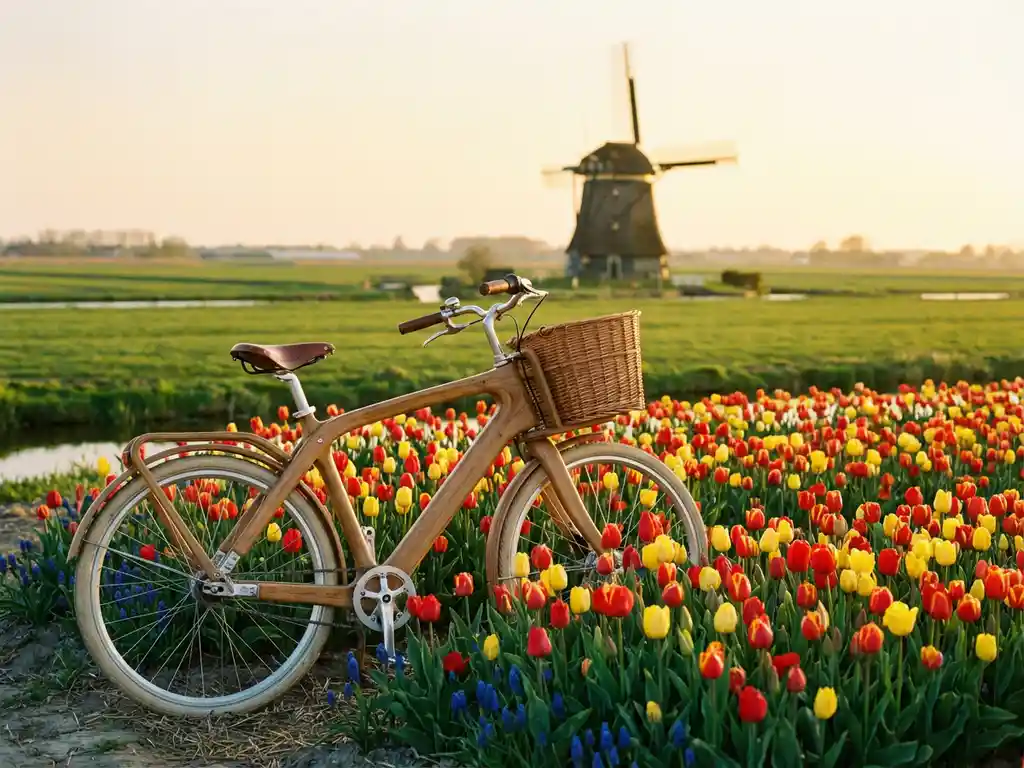
Dutch people are passionate about cycling because it is deeply woven into everyday life, not a hobby or a lifestyle choice. The Netherlands has over 35,000 kilometres of dedicated cycling infrastructure, making it the safest and often the fastest way to get around. Cycling is simply the most practical option for most journeys under ten kilometres.
But the passion goes beyond practicality. Cycling is a social activity. Friends cycle side by side through town, parents carry children on cargo bikes, and couples ride together on Sunday mornings. It is one of the most natural ways to feel at home in Dutch society, and getting yourself a decent bike is genuinely one of the best things you can do when settling in the Netherlands.
Cycling also levels the playing field socially. On a bike path, a CEO and a student are equals. This egalitarian quality fits perfectly with Dutch values around equality and informality.
What are Dutch people’s most beloved national traditions?
The most beloved Dutch traditions include Sinterklaas, King’s Day, and shared rituals around food and seasonal celebrations. These traditions are not just holidays. They are expressions of Dutch identity and community, and participating in them is one of the fastest ways to feel genuinely connected to life in the Netherlands.
- Sinterklaas (5 December): A beloved children’s tradition involving a gift-giving saint, poems, and surprise packages called “surprises”.
- King’s Day (27 April): The entire country turns orange, flea markets fill every street, and strangers become instant friends.
- Carnaval (especially in Tilburg and Eindhoven): A vibrant pre-Lent festival in which southern Dutch cities celebrate with costumes, music, and community.
- Herring season: The arrival of Hollandse Nieuwe herring each June is a genuine national event; it is eaten raw with onions from a street stall.
Joining these traditions as an expat is not just fun. It signals to the Dutch people around you that you are genuinely interested in their culture, which opens doors to real friendships.
How do Dutch people typically make new friends?
Dutch people typically make new friends through structured social contexts like clubs, sports teams, hobby groups, and work. Unlike cultures where friendships form quickly through casual encounters, Dutch friendships tend to develop slowly and deliberately. An acquaintance becomes a friend only after repeated, intentional contact over time.
This can feel frustrating for expats who are used to faster social bonding. The key insight is that Dutch people have often maintained the same close friendships since school, which means their social calendars are already full. Breaking into existing social circles requires patience and consistency.
The most effective approach is to join a regular activity where you see the same people week after week: a language class, a sports club, a neighbourhood association. Shared experience over time is the Dutch formula for friendship, and it genuinely works once you commit to it.
What is ‘gezelligheid’ and why do Dutch people love it?
Gezelligheid is a Dutch concept that describes a feeling of warmth, cosiness, and togetherness that comes from being in good company. It is not just a word but a cultural value. A gezellig evening might involve candles, good food, easy conversation, and no rush to be somewhere else. The feeling matters more than the setting.
Dutch people love gezelligheid because it represents everything that counterbalances their otherwise efficient, no-nonsense approach to life. Work hard, yes. But when you are with people you care about, be fully present and enjoy it. Gezelligheid is the Dutch permission slip to slow down.
For expats, understanding gezelligheid is a genuine cultural unlock. When a Dutch person invites you for a borrel (drinks) or a cosy dinner, they are not being polite. They are offering you something they genuinely value. Showing up, contributing to the atmosphere, and staying a while is the right response.
How do Dutch people feel about expats learning their language?
Dutch people respond warmly and with genuine appreciation when expats make the effort to learn Dutch. While most Dutch people speak excellent English and will often switch languages to help you, they notice and respect the effort to communicate in their mother tongue. Learning Dutch signals that you are serious about building a life here, not just passing through.
Many expats assume that because Dutch people speak English so well, learning Dutch is unnecessary. But expat life in the Netherlands changes significantly once you can hold a basic conversation in Dutch. You get included in casual office chatter, neighbourhood conversations, and social situations that simply do not happen in English.
Speaking Dutch, even imperfectly, also changes how Dutch people relate to you. It breaks down the invisible barrier between “expat” and “neighbour” faster than almost anything else you can do.
How Dutch on Track Helps You Thrive as an Expat Living in the Netherlands
Understanding Dutch culture is one thing. Being able to participate in it is another. That gap between knowing and doing is exactly where we come in. Dutch on Track offers Dutch language courses specifically designed for expats and internationals in Eindhoven and Tilburg, and our approach is built around the real challenges of settling in the Netherlands.
Here is what makes learning Dutch with us different:
- Small groups of 8 to 10 students mean you actually get to speak, not just listen, and you meet other internationals who are navigating the same experiences.
- A communicative method that gets you speaking from day one, so you build confidence fast and stop being afraid of making mistakes.
- Practical, real-life content that covers exactly the situations you encounter every day, from workplace conversations to neighbourhood interactions.
Beyond the language itself, our classes are genuinely fun. Students regularly tell us that the friendships they make in class become some of their closest connections in the Netherlands. That is not a side effect of learning Dutch. That is part of the design. If you are ready to move from observing Dutch life to actually living it, schedule a free meeting with Dutch on Track and take the first step. Or explore our Beginner Dutch Course if you are starting from scratch and want to see exactly what the journey looks like.
Frequently Asked Questions
How long does it realistically take to feel settled and socially comfortable as an expat in the Netherlands?
Most expats report that genuine comfort in Dutch social life takes between one and two years, though this varies significantly depending on how actively you engage with local culture and language. The expats who settle fastest are those who join structured activities early, make an effort with Dutch, and participate in national traditions rather than waiting for connections to happen naturally. Think of it as a slow build rather than a quick win — Dutch friendships take time, but they tend to be very loyal and lasting once formed.
What are the most common mistakes expats make when first interacting with Dutch people?
The most common mistake is misreading Dutch directness as rudeness or personal hostility, which causes expats to become defensive or withdrawn at exactly the moment they should be engaging openly. A close second is over-relying on English and assuming that because Dutch people can switch languages, there is no reason to try Dutch yourself. Both mistakes create an invisible distance between you and the people around you — recognising them early gives you a real head start.
Is it worth learning Dutch if I am only planning to stay in the Netherlands for one or two years?
Yes, even a short stay benefits enormously from basic Dutch skills. You do not need fluency to unlock the social and professional benefits — even an A1 or A2 level opens doors to casual conversations, neighbourhood interactions, and workplace inclusion that simply do not happen in English. Many expats who initially planned a short stay also find that learning Dutch changes their relationship with the country so fundamentally that they end up extending their time here.
How can I start participating in Dutch traditions like King's Day or Sinterklaas if I do not know anyone local yet?
The good news is that Dutch national celebrations, especially King’s Day, are among the most accessible social events in the world — the streets fill with people, flea markets are open to everyone, and the festive atmosphere makes it completely natural to strike up conversations with strangers. For Sinterklaas, look for community events, workplace celebrations, or neighbourhood gatherings that are often open to newcomers. Showing up with genuine curiosity and enthusiasm is all the entry ticket you need.
What should I do if I find Dutch directness genuinely upsetting or difficult to adapt to?
First, know that you are not alone — this is one of the most reported adjustment challenges among expats in the Netherlands, regardless of where they come from. A practical technique is to mentally translate Dutch directness as u0022efficiency and honestyu0022 rather than u0022criticism or coldnessu0022 every time you encounter it, which gradually rewires your emotional response. Talking to other expats who have been through the same adjustment, whether in a language class, an expat community group, or an online forum, also helps normalise the experience and gives you concrete coping strategies.
Are there specific cities or regions in the Netherlands where expat life is easier or where Dutch people are more open to internationals?
Cities like Amsterdam, Eindhoven, Utrecht, and Rotterdam have large, well-established international communities and are generally well set up for expat life, with English widely spoken in professional and social settings. Eindhoven in particular has a strong international character thanks to companies like ASML and the design and tech sectors, making it one of the most welcoming cities for newcomers. That said, smaller cities and towns often offer faster and deeper integration into genuine Dutch community life, especially if you make the effort to learn the language.
How do I create more gezellig moments in my own daily life as an expat?
Gezelligheid is less about grand gestures and more about intentional presence — lighting a candle, putting your phone away, and being genuinely engaged with the people in the room goes a long way. Hosting a small dinner or drinks evening (a borrel) for colleagues or neighbours, even simply and informally, is one of the most effective ways to build the kind of warm, relaxed connections that Dutch social life is built on. The key is removing the rush: gezelligheid cannot be squeezed into a schedule, so protect the time and let the atmosphere develop naturally.