What do Dutch people love?
If you are settling in the Netherlands as an expat, understanding what makes Dutch people tick is one of the most valuable things you can do. Dutch culture has a distinct character—warm yet direct, simple yet deeply social—and getting to know it helps you feel less like an outsider and more like a genuine part of your new community. Whether you are navigating expat life in Eindhoven, Tilburg, or anywhere else in the country, this guide gives you a friendly, honest look at what Dutch people truly love.
From cycling through the rain to gathering around a table with friends, the Dutch have a set of values and habits that shape everyday life in a very particular way. The more you understand these, the easier it becomes to connect, communicate, and feel at home.
What do Dutch people love most in daily life?
Dutch people love simplicity, practicality, and genuine connection. In daily life, the things that matter most are spending time with family and friends, being outdoors, eating familiar comfort foods, and maintaining a healthy balance between work and personal life. The Dutch are not drawn to excess or showiness—they find real pleasure in straightforward, meaningful moments.
This down-to-earth attitude shows up everywhere: in the way they dress, the food they eat, and the conversations they have. There is a strong cultural emphasis on equality, which means people rarely put on airs or try to impress others with status. What you see is genuinely what you get, and that honesty is something many expats come to deeply appreciate once they settle into life here.
Why do Dutch people love cycling so much?
Dutch people love cycling because it is practical, fast, affordable, and deeply woven into the fabric of daily life. The Netherlands has extraordinary cycling infrastructure—thousands of kilometres of dedicated bike lanes, flat terrain, and a culture where cycling is simply the normal way to get from A to B, regardless of age, weather, or social status.
Cycling is not a hobby or a fitness trend in the Netherlands—it is a lifestyle. Children cycle to school, adults cycle to work, and elderly people cycle to the market. On a rainy Tuesday morning in Eindhoven, you will see suited professionals, students, and grandparents all on their bikes without a second thought. For expats living in the Netherlands, getting a bike is often one of the first and most transformative steps towards feeling like a local.
What is gezelligheid and why do Dutch people love it?
Gezelligheid is a uniquely Dutch concept that describes a feeling of warmth, cosiness, and togetherness. It can refer to a physical atmosphere—a candlelit café, a cosy living room—but, more importantly, it describes the feeling of being comfortably in the company of people you enjoy. Dutch people love gezelligheid because it represents everything they value about social life: relaxed connection, shared laughter, and a sense of belonging.
You cannot directly translate gezelligheid into English, and that is precisely the point. It is a feeling more than a word. A dinner that runs three hours longer than planned because the conversation is so good—that is gezellig. A Friday evening with colleagues sharing drinks and stories—also gezellig. For anyone navigating expat life in the Netherlands, understanding and embracing gezelligheid is one of the most powerful ways to build real friendships and feel genuinely accepted.
What foods and drinks do Dutch people love?
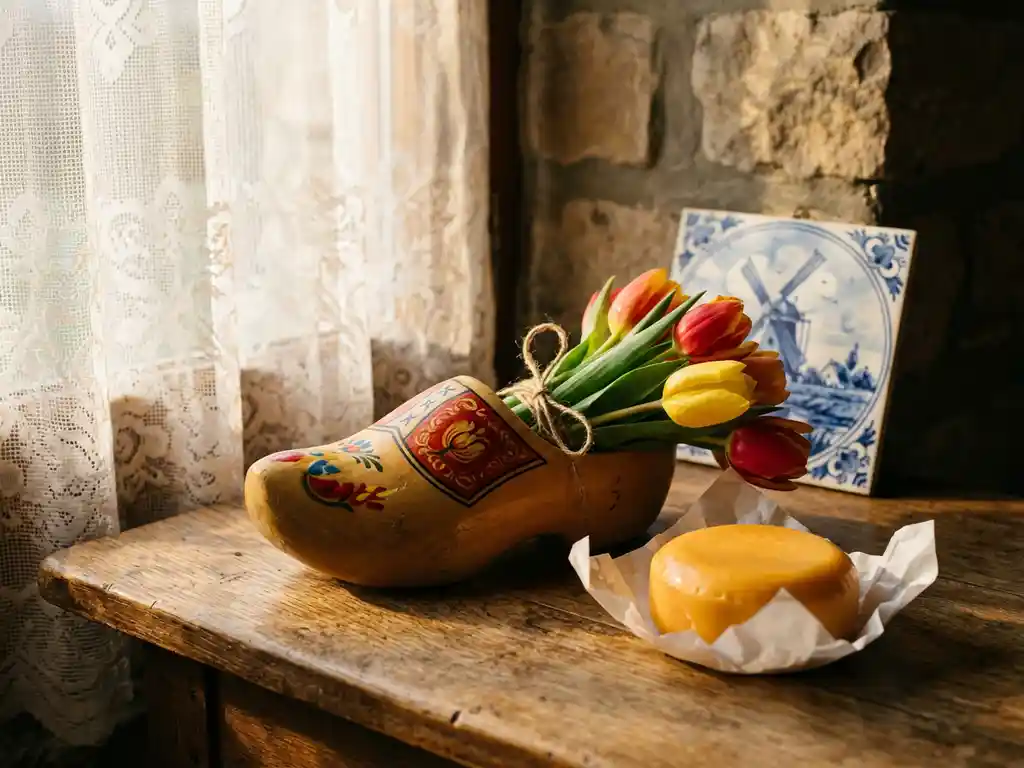
Dutch people love hearty, no-fuss food that is filling and familiar. Classic favourites include stamppot (mashed potatoes mixed with vegetables), bitterballen (deep-fried snacks served with mustard), stroopwafels, herring, and cheese—lots and lots of cheese. When it comes to drinks, coffee is a daily ritual, and beer is the social staple at most gatherings.
- Stroopwafels: thin waffle cookies with a caramel syrup filling, best enjoyed placed on top of a hot coffee cup
- Bitterballen: crispy, deep-fried snack balls filled with a savoury meat ragout, a staple at any borrel (social drinks gathering)
- Haring: raw herring eaten with onions and pickles, a true Dutch street food experience
- Stamppot: a comforting winter dish of mashed potatoes combined with vegetables like kale or sauerkraut
Food in Dutch culture is less about culinary complexity and more about the social experience around the table. The borrel—a casual after-work drinks gathering with snacks—is a beloved Dutch tradition that brings colleagues and friends together regularly. Understanding these food rituals makes it much easier to participate in social life when settling in the Netherlands.
How do Dutch people love to spend their weekends?
Dutch people love spending weekends outdoors, with family, and in a relaxed social setting. Weekend activities typically include cycling or walking in nature, visiting markets, hosting or attending dinners with friends, and spending Sunday mornings at a local café with coffee and a newspaper. The Dutch guard their weekend time carefully and use it to recharge and reconnect.
Sunday in particular has a quiet, almost sacred quality in many Dutch households. Shops close early, streets slow down, and families gather. For expats, weekends are also a brilliant opportunity to explore the country—the Netherlands is compact, meaning you can cycle to a windmill, visit a historic city centre, or reach a national park within an hour from almost anywhere. Joining a local sports club, language class, or community group at the weekend is one of the most effective ways to build a social circle and move beyond surface-level expat connections.
What do Dutch people love about being direct?
Dutch people love directness because they see it as a form of respect. Being straightforward means you value the other person’s time and intelligence enough to tell them the truth without wrapping it in layers of politeness. In Dutch culture, saying exactly what you mean is not considered rude—it is considered honest, and honesty is deeply valued.
For many expats, Dutch directness can feel jarring at first. A Dutch colleague might tell you your idea needs work without softening the feedback, or a Dutch neighbour might point out that your recycling is in the wrong bin without apologising for mentioning it. This is not coldness—it is simply a different communication style. Once you understand the intent behind it, you often come to appreciate the clarity it brings. There are no hidden meanings to decode, no social games to play. What is said is what is meant, and that can actually be deeply refreshing when you are still finding your footing in a new country.
How Dutch on Track Helps You Feel at Home as an Expat in the Netherlands
Learning Dutch is one of the most powerful things you can do to truly connect with life in the Netherlands. When you speak even basic Dutch, you can join conversations, understand the humour, appreciate the directness, and experience gezelligheid from the inside rather than watching it from the outside. That shift changes everything about how expat life feels.
Dutch on Track offers Dutch language courses specifically designed for expats and internationals in Eindhoven and Tilburg. Our approach is communicative and practical, which means you start speaking from day one in a relaxed, encouraging environment. But beyond the language itself, our courses are genuinely fun and social. With small groups of 8 to 10 participants, you practise with fellow internationals who are going through exactly the same experience as you. Many students find that the friendships they make in class become some of their closest connections in the Netherlands.
Here is what makes learning Dutch with us a great step towards real integration:
- Small groups of 8 to 10 people create a warm, gezellig atmosphere where making mistakes feels safe and natural
- Lessons are held after work hours (17:45 to 19:45), making it easy to fit into a busy expat schedule
- Our Beginner Dutch Course takes you from zero to confident in a structured, supportive way
- Locations in central Eindhoven and directly opposite Tilburg Central Station make getting there simple
If you are ready to stop feeling like a visitor and start feeling like you truly belong, Dutch on Track is the place to start. Schedule a free meeting with us today and take the first step towards a richer, more connected life in the Netherlands.
Frequently Asked Questions
How long does it typically take for expats to feel comfortable with Dutch directness?
Most expats find that the adjustment period takes anywhere from a few weeks to a few months, depending on their own cultural background. The key is to consciously reframe directness as a sign of respect rather than rudeness — once that mental shift happens, interactions become much less stressful. A practical tip is to mirror the style gradually: start giving more straightforward answers yourself, and you will find that Dutch colleagues and neighbours respond very warmly to it.
What is the best way to get invited into Dutch social circles as a newcomer?
The most effective approach is to show up consistently in shared spaces — a sports club, a language course, a neighbourhood association, or a regular borrel. Dutch friendships tend to build slowly but become very loyal and genuine over time, so patience and regularity matter more than grand social gestures. Embracing gezelligheid by being present, relaxed, and engaged in conversation goes a long way toward being accepted as part of the group.
Do I really need to learn Dutch if most Dutch people speak excellent English?
While it is true that the Dutch are among the world’s best non-native English speakers, relying solely on English keeps you at arm’s length from real cultural connection. Humour, warmth, and the full experience of gezelligheid are most naturally expressed in Dutch, and locals genuinely appreciate — and respect — expats who make the effort to learn. Even a basic level of Dutch opens doors that fluent English simply cannot, from deeper workplace relationships to feeling truly at home in everyday situations.
What is a borrel, and how should I behave at one as an expat?
A borrel is a casual Dutch social gathering, typically after work, centred around drinks and snacks like bitterballen — think of it as the Dutch equivalent of happy hour but with a stronger emphasis on genuine conversation and togetherness. There is no strict etiquette to worry about: be yourself, join conversations openly, and do not be surprised if topics get surprisingly candid very quickly. The best thing you can do is show up, stay a while, and resist the urge to leave after one polite drink — the real gezelligheid tends to unfold after the first round.
What kind of bike should I buy as an expat newcomer in the Netherlands?
For everyday Dutch life, a sturdy, simple city bike — often called an omafiets or ‘grandma bike’ — is the most practical and culturally appropriate choice. Avoid anything too flashy or expensive, as bike theft is common in Dutch cities and a modest bike attracts far less attention. Second-hand bikes are widely available at markets and online platforms like Marktplaats, and spending between €75 and €150 will get you a reliable ride that fits right in with local cycling culture.
Are there any common mistakes expats make when trying to integrate into Dutch culture?
One of the most common mistakes is interpreting Dutch quietness or bluntness as unfriendliness and giving up on building connections too soon — Dutch people warm up gradually, but the friendships that result are genuinely deep and lasting. Another frequent misstep is staying exclusively within expat social bubbles, which can feel comfortable but limits real cultural immersion. Making the effort to learn some Dutch, attend local events, and engage with neighbours — even imperfectly — signals that you are genuinely invested in your new home, and that matters enormously to Dutch people.
How can learning Dutch specifically help me experience gezelligheid more fully?
Gezelligheid is at its richest when you can fully participate in the conversation around you — catching the jokes, understanding the references, and contributing your own stories without a language barrier in the way. When you speak Dutch, even at a beginner level, you shift from being an observer of Dutch social life to an active participant in it, which is when the real sense of belonging begins. Language learning itself, especially in a small group setting, can also be deeply gezellig — many expats find that their Dutch course becomes one of their first genuine social communities in the Netherlands.