What does Tikkie mean in the Netherlands?
If you have recently arrived in the Netherlands, you have probably already heard someone say, “I’ll send you a Tikkie,” after splitting a bill at dinner or sharing a cab. For many newcomers, this phrase lands somewhere between confusing and mildly alarming. Is it a fine? A request? Some kind of Dutch social test? Understanding what Tikkie means is one of those small but genuinely useful steps in settling in the Netherlands and starting to feel at home in everyday Dutch life.
This guide answers the most common questions expats have about Tikkie, from what it actually is to when you should expect to receive one. Consider it your friendly introduction to one of the most Dutch things about living in the Netherlands.
What does Tikkie mean in the Netherlands?
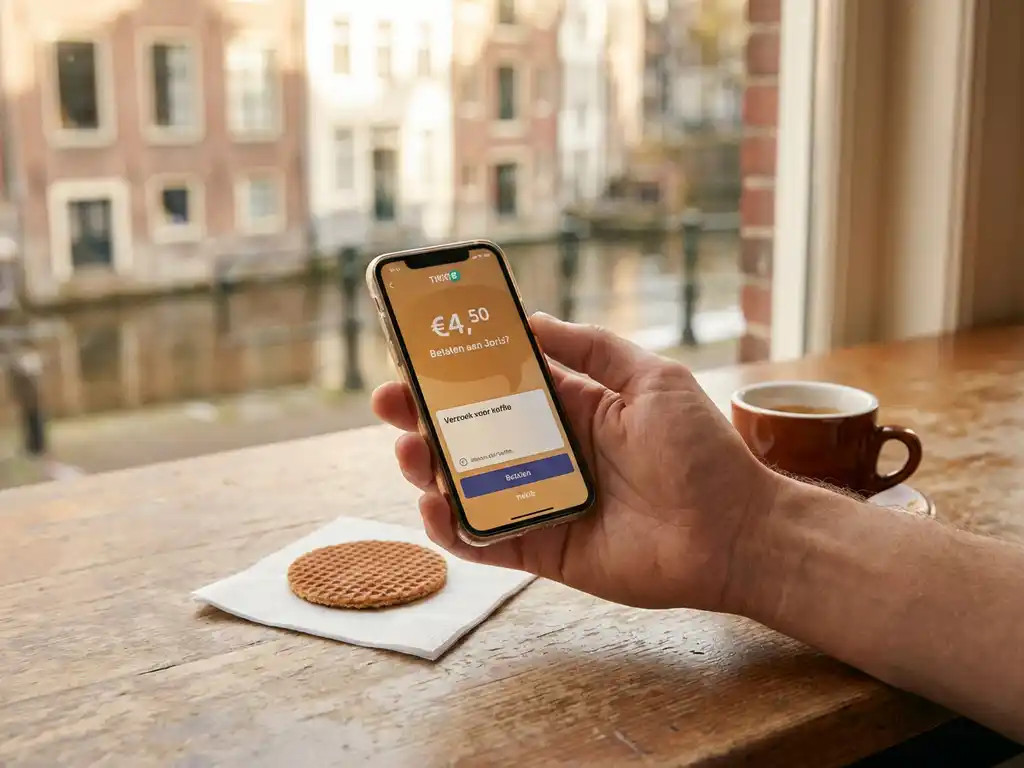
Tikkie is a free Dutch payment request app that lets people send a payment link via WhatsApp, text message, or email. When someone says, “I’ll send you a Tikkie,” they mean they will send you a digital request for money, usually to split a shared cost. The word has become so embedded in everyday Dutch vocabulary that it functions as both a noun and a verb.
The app was developed by ABN AMRO and works through the Dutch online banking system, iDEAL. You receive a link, tap it, and pay directly from your own Dutch bank account in seconds. The name itself comes from the Dutch word “tikje,” meaning a small tap or touch, which perfectly captures the effortless way the app works. In just a few years, Tikkie has gone from a banking app to a cultural institution.
How does Tikkie work in practice?
Tikkie works by generating a personal payment link that the sender shares with one or more people. The recipient clicks the link, enters the amount if it is not already set, and completes the payment through iDEAL using their own bank. No account creation is needed on the recipient’s side, and the money arrives almost instantly.
The person who paid upfront creates the request through the Tikkie app, sets the total amount, and can even split it between multiple people. Each person receives their own link with their individual share. The sender gets a notification once everyone has paid, which removes any awkward follow-up conversations about who still owes what.
Why do Dutch people use Tikkie so much?
Dutch people use Tikkie so frequently because it aligns perfectly with the Dutch cultural value of going Dutch, meaning everyone pays their own share. Fairness in financial matters is deeply important in Dutch social culture, and Tikkie removes any friction or embarrassment from asking to be repaid. It makes splitting costs feel neutral and practical rather than uncomfortable.
Beyond culture, the practical infrastructure makes it seamless. The Netherlands has one of the highest rates of iDEAL usage in Europe, meaning almost everyone already has the banking setup required to pay via Tikkie instantly. There is no need for cash, no rounding up or down, and no relying on memory. For a culture that values directness and efficiency, Tikkie is simply the logical tool.
There is also a social dimension worth noting. Sending a Tikkie is not considered rude or petty among Dutch people. In fact, not sending one after a shared expense can feel more awkward than sending it. Once you understand this, receiving a Tikkie starts to feel less like a demand and more like a normal part of social life here.
Is Tikkie only for Dutch people, or can expats use it too?
Expats can absolutely use Tikkie, but there is one important condition: you need a Dutch bank account linked to iDEAL to make payments through the app. If you have opened a Dutch bank account, you can both send and receive Tikkies without any issues. If you are still banking entirely through a foreign account, you can receive a Tikkie link but may not be able to complete the payment.
Setting up a Dutch bank account is therefore one of the first practical steps worth taking when living in the Netherlands as an expat. Banks like ING, Rabobank, and ABN AMRO are commonly used by internationals and offer English-language support. Once you have an account, Tikkie becomes as easy for you as it is for any Dutch person.
Using Tikkie also has an unexpected social benefit. When you send your first Tikkie to a Dutch colleague or neighbor, it signals that you are engaging with local habits rather than staying on the outside of them. Small moments like these genuinely help with expat life in the Netherlands and building real connections with the people around you.
What are common situations where you will receive a Tikkie?
You will most commonly receive a Tikkie after any shared expense in a social setting. The Dutch use it across a wide range of everyday situations, and once you know the most common ones, nothing will catch you off guard.
- Splitting a restaurant bill or drinks at a bar with friends or colleagues
- Sharing the cost of a group gift for a birthday or farewell
- Reimbursing someone who bought groceries or supplies for a shared household
- Paying back a colleague who covered your lunch or coffee
You might also receive a Tikkie from a landlord for shared utility costs, from a sports club for membership fees, or from a neighborhood group organizing a shared purchase. The range is genuinely broad. The common thread is that someone paid upfront for something shared, and Tikkie is the fastest way to settle it fairly.
Understanding these situations helps you respond confidently instead of feeling caught off guard. And when it is your turn to pay for a round, sending a Tikkie yourself is a small but genuine way to show you are participating in Dutch social life on its own terms.
How Dutch on Track helps you feel at home in the Netherlands
Understanding Tikkie is one piece of the puzzle. But truly feeling comfortable in the Netherlands means being able to have the conversations that happen around it: joking with colleagues, chatting with neighbors, and navigating the wonderfully direct Dutch communication style with confidence. That is exactly where Dutch on Track comes in.
Our Dutch language courses are designed specifically for expats and internationals in Eindhoven and Tilburg. We combine practical, real-life language skills with a warm group setting that makes learning genuinely enjoyable. Our small groups of 8 to 10 students mean you practise with real people in real situations, and many of our students find that the friendships they make in class become some of their closest connections in the Netherlands.
- Classes run after work hours from 17:45 to 19:45, fitting around your schedule
- Our communicative approach means you speak Dutch from day one, building confidence quickly
- Courses range from absolute beginner (A0) to intermediate (B1), including our popular Dutch in 1 Year programme
Learning Dutch is not just about grammar and vocabulary. It is about belonging, making friends, and understanding the culture that makes the Netherlands feel like home. If you are ready to take that step, schedule a free meeting with Dutch on Track and find out how we can support your journey. Or explore our Beginner Dutch Course starting at A1 if you are just getting started.
Frequently Asked Questions
What if I don't have a Dutch bank account yet — can I still pay a Tikkie?
Unfortunately, Tikkie payments are processed exclusively through iDEAL, which requires a Dutch bank account. If you only have a foreign bank account, you will receive the payment link but won’t be able to complete the transaction through it. In the meantime, the best workaround is to pay the person back in cash or via an international transfer app like Wise or PayPal, and let them know you are still setting up your Dutch banking. Opening a Dutch bank account should be a priority early in your move, as it unlocks not just Tikkie but a wide range of everyday financial services in the Netherlands.
How do I set up the Tikkie app and send my first payment request?
Getting started with Tikkie is straightforward: download the free Tikkie app (available on iOS and Android), link it to your Dutch bank account, and you are ready to go. To send your first request, tap the ‘+’ button, enter the amount and a short description (like ‘dinner Thursday’), and share the generated link via WhatsApp or text. The app will notify you as each person pays, so there is no need to chase anyone — which is arguably the best part of the whole experience.
Is it considered rude to send someone a Tikkie for a very small amount?
In Dutch culture, no — and this is one of the bigger cultural adjustments for many expats. Sending a Tikkie for even €2 or €3 is completely normal and not considered petty or awkward. The Dutch approach to money is rooted in fairness rather than generosity-signalling, so requesting small amounts is seen as practical and honest rather than stingy. Once you internalize this, you will stop overthinking it and start appreciating how much simpler it makes shared finances.
What if someone sends me a Tikkie and I think the amount is wrong?
If you believe the amount on a Tikkie is incorrect, the best approach is simply to message the sender directly and ask them to clarify or resend a corrected link — the Dutch directness culture makes this kind of straightforward conversation entirely acceptable. The sender can cancel the original request and create a new one with the right amount. Avoid just ignoring the Tikkie, as the sender will see it as unpaid and may follow up anyway.
Can businesses or landlords use Tikkie, or is it just for personal use?
Tikkie offers a separate product called Tikkie Business, which allows small businesses, freelancers, and landlords to send professional payment requests. It is commonly used by local sports clubs, small shops, and private landlords for things like utility cost splits or one-off payments. If you receive a Tikkie from your landlord or a local organization, it is completely legitimate — just verify the amount matches what you agreed on before paying.
Are there any alternatives to Tikkie that work better for international transfers between expats?
If you need to split costs with friends who are also still setting up Dutch banking, apps like Splitwise, PayPal, or Wise are useful international alternatives that do not require an iDEAL-linked account. Splitwise in particular is popular among expat groups for tracking shared expenses over time without requiring immediate payment. That said, once your Dutch banking is in place, Tikkie is by far the fastest and most widely accepted option for day-to-day splitting within the Netherlands.
Will learning Dutch actually help me understand and navigate situations like Tikkie and other everyday cultural moments?
Absolutely — and Tikkie is a perfect example of why. The word itself comes from the Dutch ‘tikje,’ and understanding the language gives you direct access to the cultural logic behind habits like these, rather than just observing them from the outside. Being able to joke about a Tikkie in Dutch, chat with a neighbor about splitting grocery costs, or laugh with colleagues about who forgot to pay are the kinds of small moments that make a real difference in feeling at home. Language learning is less about grammar and more about being able to participate in everyday life with confidence.