What is the best city in the Netherlands for expats?
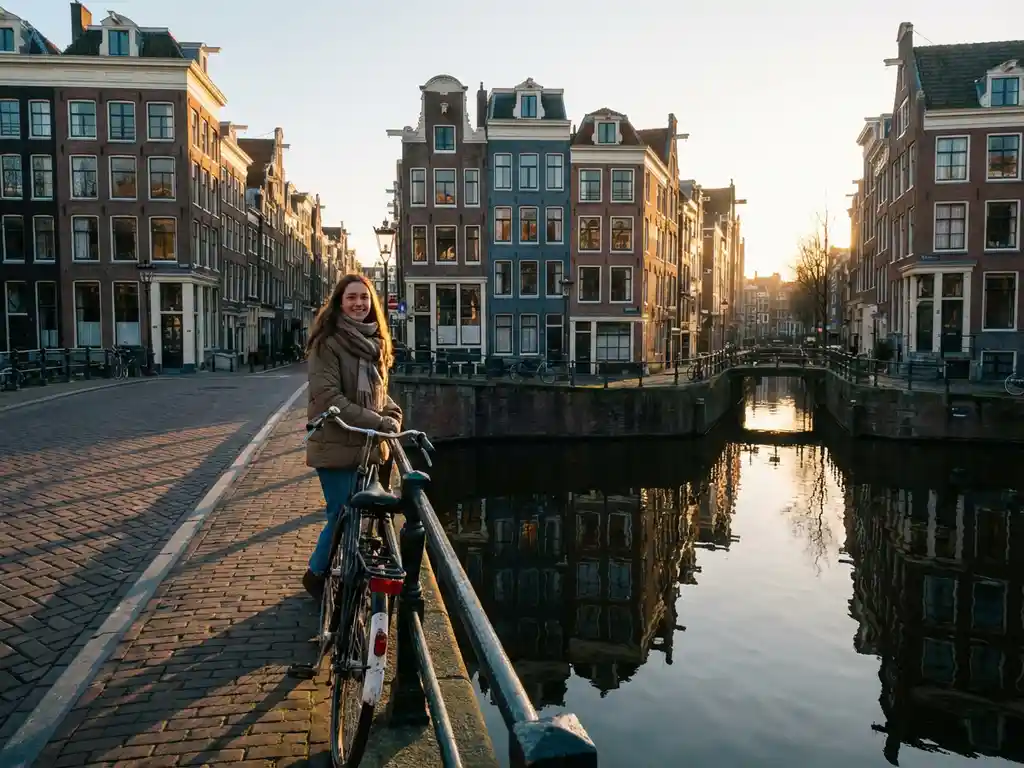
Choosing the right city to settle in can make or break your experience of expat life in the Netherlands. The country is compact, well connected, and genuinely welcoming to internationals, but different cities offer very different lifestyles, communities, and opportunities. Whether you are relocating for work, following a partner, or simply looking for a fresh start, understanding what each Dutch city has to offer is the first step toward feeling at home.
From the buzzing canal-side streets of Amsterdam to the tech-driven energy of Eindhoven and the warm, student-friendly atmosphere of Tilburg, settling in the Netherlands looks different depending on where you land. This guide answers the most common questions expats ask before and after the move, so you can make an informed choice and start building a life you truly enjoy.
What makes a city great for expats in the Netherlands?
A great city for expats in the Netherlands combines a strong international community, affordable housing relative to income, good transport links, access to English-speaking services, and genuine opportunities to connect with local Dutch culture. Practical factors like job market strength and proximity to international schools also matter, but social infrastructure is often what determines whether an expat truly thrives.
Beyond logistics, the best cities for expats offer a sense of belonging. That means international social groups, cultural events, and spaces where you can meet both fellow internationals and local Dutch people. The Netherlands as a whole scores well on livability, but the day-to-day experience of living in the Netherlands as an expat depends heavily on whether your city feels like a community or just a place to sleep.
Key factors expats consistently highlight when evaluating Dutch cities include:
- Availability of English-language services and international workplaces
- Affordability of housing and overall cost of living
- Access to social networks and expat communities
- Public transport quality and cycling infrastructure
Which Dutch city has the largest expat community?
Amsterdam has the largest expat community in the Netherlands by a significant margin. The capital attracts internationals across finance, tech, creative industries, and NGOs, and its long history as a trading city means it has always been culturally diverse. The Hague follows closely, largely due to its concentration of international organizations, embassies, and legal institutions.
That said, size is not everything. Rotterdam draws expats in logistics, engineering, and architecture. Utrecht appeals to those who want a calmer pace without sacrificing city amenities. Eindhoven has also grown rapidly into a major expat hub thanks to the presence of ASML, Philips, and a thriving design and technology ecosystem. For many expats, a mid-sized city with a tight-knit international community feels more welcoming than a sprawling capital where it is easy to get lost in the crowd.
Is Eindhoven or Amsterdam better for expats?
The answer depends on your priorities. Amsterdam offers more variety, a larger expat scene, and world-class cultural amenities, but it comes with significantly higher housing costs and a faster, more anonymous pace of life. Eindhoven offers a more manageable scale, a strong tech and design community, lower living costs, and a growing expat network that feels genuinely connected rather than transient.
For knowledge workers and their partners, Eindhoven has become one of the most attractive destinations for settling in the Netherlands. The city is home to major international employers, a vibrant design culture through Dutch Design Week, and a growing number of international schools and family-friendly neighborhoods. The expat community here tends to put down roots rather than pass through, which creates a warmer, more stable social environment.
Tilburg, just 30 minutes from Eindhoven by train, is another strong option. It is a university city with youthful energy, lower rents, and a genuinely diverse population. For expats who want an authentic Dutch experience without the Amsterdam price tag, the Eindhoven–Tilburg corridor is hard to beat.
How easy is it to make Dutch friends as an expat?
Making Dutch friends as an expat takes time and intentional effort, but it is absolutely possible. Dutch social culture tends to be structured around existing close-knit groups, which can feel closed off at first. Dutch people are direct, value honesty, and tend to schedule social plans well in advance, which can feel unfamiliar to expats from more spontaneous social cultures.
The most effective way to build genuine friendships with Dutch people is through shared activities and regular contact over time. Sports clubs, neighborhood associations, volunteering, and language courses all create natural opportunities for repeated interaction, which is how Dutch friendships tend to form. Joining a structured group activity removes the awkwardness of cold introductions and lets relationships develop organically.
Learning some Dutch, even at a basic level, signals genuine interest in Dutch culture and opens doors that stay firmly shut when you rely entirely on English. Dutch people genuinely appreciate the effort, even when they switch to English to help you out.
Does learning Dutch help expats integrate into Dutch society?
Yes, learning Dutch significantly helps expats integrate into Dutch society. While the Netherlands has one of the highest English proficiency rates in the world, speaking Dutch unlocks a different level of connection with local people, workplaces, and everyday life. It shifts your status from visitor to participant, and that shift changes how you experience the country.
Language learning also accelerates cultural understanding. Dutch humor, directness, and social norms make much more sense when you can follow conversations in their original context. Expats who learn Dutch consistently report feeling more confident navigating daily situations, more comfortable in social settings, and more connected to their neighborhoods and colleagues.
Beyond the practical benefits, learning Dutch together with other internationals is genuinely fun. Sharing the challenge, laughing at mistakes, and celebrating small wins creates real bonds. Many expats find that their Dutch class becomes one of their first and most meaningful social networks in the Netherlands, which makes the learning process feel less like homework and more like an adventure.
Where can expats find Dutch language classes in Eindhoven or Tilburg?
Expats in Eindhoven and Tilburg can find specialized Dutch language classes through Dutch on Track, a program designed specifically for highly educated internationals, expats, and their partners. Classes run after work from 17:45 to 19:45 in small groups of 8 to 10 participants, making them easy to fit around a working schedule while still offering genuine social interaction.
In Eindhoven, classes take place at a central location just an 8-minute walk from the central station. In Tilburg, the classroom is directly opposite the central station, so there is no excuse for being late. Both locations are easy to reach whether you are cycling, taking the train, or walking from the city center.
Our Beginner Dutch Course takes students from absolute zero to A1 level, building practical speaking confidence from the very first lesson. Courses run from A0 through B1, including the flagship Dutch in 1 Year program, which covers 43 weeks of structured, communicative learning. All teachers are certified specialists in Dutch as a Second Language, so you are in good hands from day one.
How Dutch on Track helps expats feel at home in the Netherlands
Feeling truly settled in the Netherlands is about more than finding a flat and learning the tram routes. It is about having people to call, places where you feel comfortable, and the confidence to navigate daily life in Dutch. Dutch on Track addresses all of this at once because our language courses are designed not just to teach vocabulary, but to build the kind of social and cultural fluency that makes expat life genuinely enjoyable.
Here is what makes our approach different:
- Small groups of 8 to 10 students create a warm, friendly environment where it is easy to meet people and make real connections
- The communicative method means you speak Dutch from day one, building confidence fast
- Lessons are grounded in real Dutch life, covering the situations you actually encounter every day
- Evening classes fit around work and family schedules without disrupting your routine
Whether you are brand new to the Netherlands or have been here for a while and want to finally crack the language, Dutch on Track offers a practical, social, and genuinely fun way to make progress. Schedule a free meeting with us today and take the first step toward feeling truly at home in your Dutch city.
Frequently Asked Questions
How long does it typically take to feel settled as an expat in the Netherlands?
Most expats report that it takes between one and two years to genuinely feel at home in the Netherlands. The first few months are usually spent handling logistics — housing, registration, banking, and finding your routine — while the deeper sense of belonging tends to come later, once you have built a social circle, found your favorite local spots, and gained some confidence with the language. Actively joining groups, taking Dutch classes, and saying yes to social invitations speeds the process up considerably.
What are the most common mistakes expats make when choosing a Dutch city to live in?
The most common mistake is choosing a city based on name recognition alone — defaulting to Amsterdam without considering whether it actually fits your lifestyle, budget, or career. Many expats also underestimate how much the size and character of a city affects their social life; a smaller, tighter-knit city like Eindhoven or Utrecht can offer far more genuine connection than a large, transient capital. It is worth visiting your shortlisted cities on a weekday, exploring neighborhoods, and connecting with local expat communities online before committing.
Is the Netherlands a good country for expat families with children?
Yes, the Netherlands consistently ranks as one of the best countries in the world for raising children, and expat families tend to thrive here. International schools are available in most major cities, the healthcare system is reliable and family-friendly, and Dutch cities are exceptionally safe and cycle-friendly, giving children real independence from a young age. Cities like Eindhoven, Utrecht, and The Hague are particularly popular with expat families due to their combination of international schools, green spaces, and family-oriented communities.
Do I need to speak Dutch to find a job in the Netherlands as an expat?
In many international companies and tech-driven sectors — particularly in cities like Amsterdam, Eindhoven, and The Hague — English is the working language and Dutch is not a strict requirement for getting hired. However, Dutch language skills significantly broaden your job options, improve your chances of promotion, and make you a more competitive candidate, especially in roles that involve client-facing work or collaboration with Dutch colleagues. Even a basic level of Dutch demonstrates cultural commitment, which many Dutch employers genuinely value.
What is the best Dutch language level to aim for as an expat?
For day-to-day life and social integration, reaching B1 level is a widely recognized and highly practical goal — it allows you to handle most everyday conversations, follow Dutch media, and engage meaningfully with colleagues and neighbors. Many expats start with A1 and A2 to build confidence and handle practical situations, then progress toward B1 as their social and professional ambitions grow. If your goal is full professional fluency or Dutch citizenship, B2 or higher will eventually be necessary, but B1 is the level where most expats report a genuine shift in how connected they feel to Dutch life.
How do I register as an expat when I first arrive in the Netherlands?
When you arrive in the Netherlands, your first step is to register at your local municipality (gemeente) to receive a BSN (Burgerservicenummer), which is your citizen service number and is required for almost everything — opening a bank account, accessing healthcare, signing a rental contract, and starting employment. If you are coming from outside the EU, you will also need to apply for a residence permit through the IND (Immigration and Naturalisation Service), typically arranged through your employer before you arrive. It is worth booking your gemeente appointment as early as possible, as wait times can be several weeks in larger cities.
Can I join a Dutch language course if I have already been in the Netherlands for a while but never formally learned Dutch?
Absolutely — and you are far from alone. Many expats spend their first year or two getting by entirely in English before deciding they want to invest properly in the language. Dutch on Track welcomes students at all starting points, including complete beginners, and the small group format means you will quickly find others in exactly the same situation. Starting later does not put you at a disadvantage; if anything, having real-life Dutch experiences already under your belt gives you plenty of practical motivation and context to accelerate your learning.