Why do Dutch people cycle everywhere?
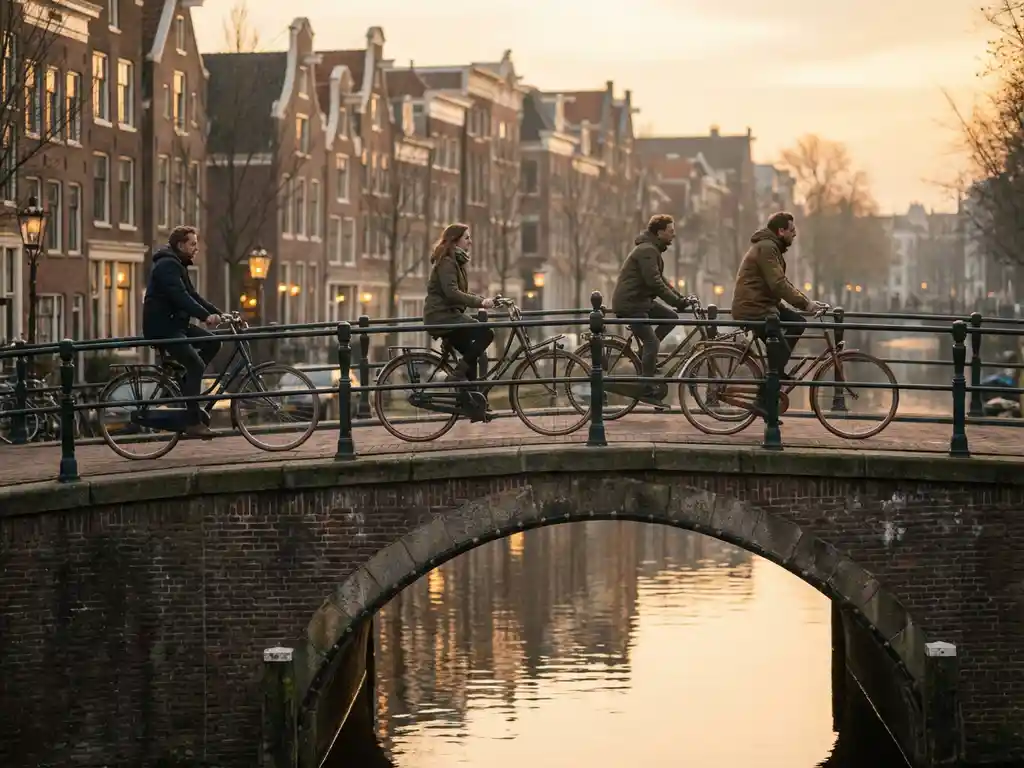
If you have recently arrived in the Netherlands, one of the first things you will notice is the sheer number of bicycles everywhere. Streets, bridges, train stations, supermarkets — bikes are parked, moving, and weaving through every corner of Dutch life. For many expats, this comes as both a surprise and a delight. Understanding why Dutch people cycle so much is one of the most revealing windows into expat life in the Netherlands and what makes this country so distinct from anywhere else in the world.
Whether you are still settling in the Netherlands or have been here for a while, cycling culture will shape your daily routine one way or another. This guide answers the most common questions expats ask about Dutch cycling, from the history behind it to what it says about Dutch values and how you can embrace it yourself.
Why do Dutch people cycle so much?
Dutch people cycle so much because it is genuinely the most practical, affordable, and efficient way to get around in most Dutch cities. Cycling is not a lifestyle choice or a fitness trend here — it is simply the default mode of transport for everyday errands, commuting, school runs, and social visits. The flat landscape, compact city layouts, and decades of infrastructure investment make it the obvious option.
Beyond practicality, cycling is deeply embedded in Dutch identity. Children learn to ride before they can read, and the habit follows them throughout their lives. There is no age group that does not cycle — you will see grandparents, business professionals in suits, and parents with three children on one bike all sharing the same lane. Cycling is democratic, efficient, and utterly normal. For anyone living in the Netherlands as an expat, getting on a bike is one of the fastest ways to feel like you truly belong here.
How did the Netherlands build its cycling infrastructure?
The Netherlands built its cycling infrastructure through decades of deliberate policy decisions, urban planning choices, and public investment that prioritized cyclists over cars. This did not happen overnight. In the 1970s, rising oil prices and a wave of public protests against car-dominated streets pushed Dutch cities to rethink how they designed their roads. The result was a sustained commitment to building separate cycle lanes, safe junctions, and bike-friendly urban environments.
Today, the Netherlands has over 35,000 kilometres of dedicated cycling paths, a network that connects cities, suburbs, and rural areas with remarkable consistency. Cities like Eindhoven and Tilburg, where many expats settle, have invested heavily in making cycling routes intuitive and well maintained. Traffic lights are timed to favour cyclists, parking facilities at train stations hold thousands of bikes, and road design consistently gives cyclists their own protected space away from car traffic.
What makes cycling in the Netherlands safe for everyone?
Cycling in the Netherlands is safe for everyone because the infrastructure physically separates cyclists from fast-moving traffic, and Dutch drivers are legally and culturally conditioned to respect cyclists. Dedicated cycle paths, clearly marked junctions, and consistent signage create an environment where even young children and elderly riders can navigate busy urban areas with confidence.
Dutch traffic law also plays an important role. Drivers bear significant legal responsibility in collisions involving cyclists, which creates a strong incentive for careful driving around bike lanes. Beyond the legal framework, Dutch road culture reflects a genuine awareness of cyclists as equal road users. For expats who are used to cycling feeling dangerous or marginal, this shift in dynamics can feel genuinely liberating. The safety of the system is one reason why cycling in the Netherlands attracts riders of all ages, fitness levels, and backgrounds.
Is cycling in the Netherlands really faster than driving or taking public transport?
For most short- to medium-distance urban journeys in the Netherlands, cycling is genuinely faster than driving or taking public transport. When you factor in finding parking, waiting for buses or trams, and navigating one-way systems, a bicycle often covers the same distance in less total time. In cities like Eindhoven and Tilburg, most destinations are within a comfortable 10- to 20-minute cycling radius of central areas.
Public transport in the Netherlands is excellent for longer distances, but for daily city life, the bike wins on speed and convenience. Driving in Dutch city centres involves limited parking, strict traffic management, and costs that add up quickly. The bicycle sidesteps all of this. Many expats who arrive with a car find themselves reaching for their bike for almost everything within the city, reserving the car for weekend trips or journeys outside the urban area.
How can expats adapt to cycling culture in the Netherlands?
Expats can adapt to cycling culture in the Netherlands by starting with the basics: buy a reliable second-hand Dutch bike (known as an omafiets), learn the local cycling rules, and simply start riding. The learning curve is shorter than most newcomers expect. Dutch cycling infrastructure is so well designed that it guides you naturally, and locals are generally patient with newcomers finding their rhythm.
A few practical tips to help you settle in:
- Always use the designated cycle path (fietspad) rather than the road or pavement
- Signal your turns with your hand, just as you would in a car
- Lock your bike properly — bike theft is common, so invest in a good lock
- Lights are legally required after dark, so keep them charged or use battery-powered clip-ons
Beyond the practical side, cycling is also one of the most enjoyable and social ways to explore your new home. Joining a group ride, cycling to a local market, or simply exploring your neighbourhood on two wheels connects you to daily Dutch life in a way that no app or guidebook can replicate. It is fun, it is freeing, and it naturally opens up conversations with neighbours and fellow commuters.
What does cycling reveal about Dutch culture and values?
Cycling in the Netherlands reveals core Dutch values of pragmatism, equality, and environmental awareness. The Dutch approach to cycling is not romantic or idealistic — it is practical. Bikes are tools for getting from A to B efficiently, and the fact that everyone from students to CEOs uses the same infrastructure reflects a deeply egalitarian cultural attitude. Status is not performed through transport choices here.
Cycling also reflects the Dutch appreciation for personal freedom and self-reliance. Getting on a bike means you are not dependent on timetables, traffic, or anyone else. This connects to a broader Dutch cultural value of being direct, capable, and independent. For expats, understanding this helps decode some of the social dynamics you will encounter. The directness that can feel abrupt at first often comes from the same cultural root as the no-nonsense approach to cycling: efficiency and honesty over performance. Learning about these values is a meaningful part of truly settling in the Netherlands and building genuine connections with the people around you.
How Dutch on Track helps you feel at home living in the Netherlands as an expat
Cycling gets you around the city, but language opens doors. One of the most meaningful steps you can take as an expat in the Netherlands is learning Dutch, and Dutch on Track makes that journey practical, enjoyable, and genuinely social. Our courses are designed specifically for expats, highly educated internationals, and their partners in Eindhoven and Tilburg, combining structured language learning with real conversations about daily Dutch life, including the kind of cultural insights that help you understand why the Dutch are the way they are.
Here is what makes learning with us different:
- Small groups of 8 to 10 students, so you practise speaking from day one in a relaxed, supportive setting
- A blended learning method that combines e-learning preparation, interactive classroom sessions, and consolidation exercises
- Evening classes after work hours (17:45 to 19:45) at central locations near Eindhoven and Tilburg train stations
- A communicative approach that encourages you to speak, make mistakes, and grow in confidence
Beyond the language itself, our courses are a genuinely fun way to meet people, make friends, and build the social connections that make expat life in the Netherlands feel less like an adventure and more like home. You will laugh, practise, stumble over pronunciation, and bond with fellow internationals who are on the same journey. If you are ready to take that step, schedule a free meeting with Dutch on Track and find out which course fits your level and goals. Or if you are just starting out, explore our Beginner Dutch Course from A0 to A1 and take your first confident steps in the language.
Frequently Asked Questions
Do I need to buy a brand new bike when I arrive in the Netherlands, or is second-hand fine?
Second-hand is not just fine — it is actually the preferred choice for most expats and Dutch locals alike. A good second-hand Dutch bike (omafiets) typically costs between €50 and €150 and is perfectly suited to daily city riding. You can find them at local markets like the weekly fietsenmarkt, through platforms like Marktplaats, or at dedicated second-hand bike shops. Avoid buying from unofficial street sellers, as stolen bikes are unfortunately common in Dutch cities.
What are the most common mistakes expats make when cycling in the Netherlands?
The most common mistakes are cycling on the pavement (stoep) instead of the designated cycle path (fietspad), not signalling turns, and failing to lock the bike securely. Many newcomers also underestimate how fast Dutch cyclists move and how important it is to keep a predictable, steady line rather than weaving or stopping suddenly. Taking a moment to observe local cycling behaviour before your first solo ride goes a long way in helping you blend in confidently.
Is cycling in the Netherlands manageable in bad weather, including rain and wind?
Yes, and the Dutch will tell you there is no such thing as bad weather, only bad clothing. Rain is a regular part of life here, and most Dutch cyclists ride through it without hesitation using a good waterproof jacket and sometimes a rain poncho (regenponcho), which you will see everywhere. Wind can be more challenging, especially in open areas between cities, but within urban environments it is rarely a serious obstacle. Investing in quality rain gear early on makes a significant difference to your daily comfort.
Can I cycle with young children, and how do Dutch parents manage it?
Cycling with children is completely normal and well-supported in the Netherlands. Dutch parents use a variety of setups, including front-mounted child seats (for smaller children), rear seats, and the iconic bakfiets (cargo bike), which can carry two or three children comfortably. Children also start cycling independently from a very young age, often riding alongside parents on their own small bikes. The safe, separated infrastructure makes family cycling genuinely practical rather than stressful.
Are there any cycling rules or laws I should know about as an expat to avoid fines?
Yes, Dutch cycling rules are enforced and fines are real. You are legally required to have working front and rear lights after dark, and cycling without them can result on-the-spot fines. Using your mobile phone while cycling is also illegal and increasingly penalised. You must give way to trams, follow traffic lights (including the separate cyclist traffic lights), and stay on designated cycle paths where they exist. Familiarising yourself with basic Dutch traffic rules (verkeersregels) shortly after arriving will save you both money and embarrassment.
Will learning Dutch help me navigate cycling culture and daily life more easily?
Absolutely. While most Dutch people speak excellent English, being able to read road signs, understand cycling route markings, and communicate with neighbours or shopkeepers in Dutch transforms your daily experience from functional to genuinely connected. Small interactions — asking for directions, chatting at the bike repair shop, or understanding local announcements at the train station — become far more natural and enjoyable once you have even a basic level of Dutch. Language and cycling culture together are two of the most powerful tools for truly settling into life in the Netherlands.
What should I do if my bike is stolen in the Netherlands?
Unfortunately, bike theft is very common in Dutch cities, so prevention is key: always use at least two locks (a frame lock combined with a heavy chain lock is the standard recommendation) and secure your bike to a fixed object wherever possible. If your bike is stolen, you can report it to the police (politie) online or in person, and having your bike’s frame number (framenummer) registered in advance significantly improves your chances of recovery. Many expats also find it worth taking out a basic bicycle insurance policy, which is affordable and widely available through Dutch insurers.