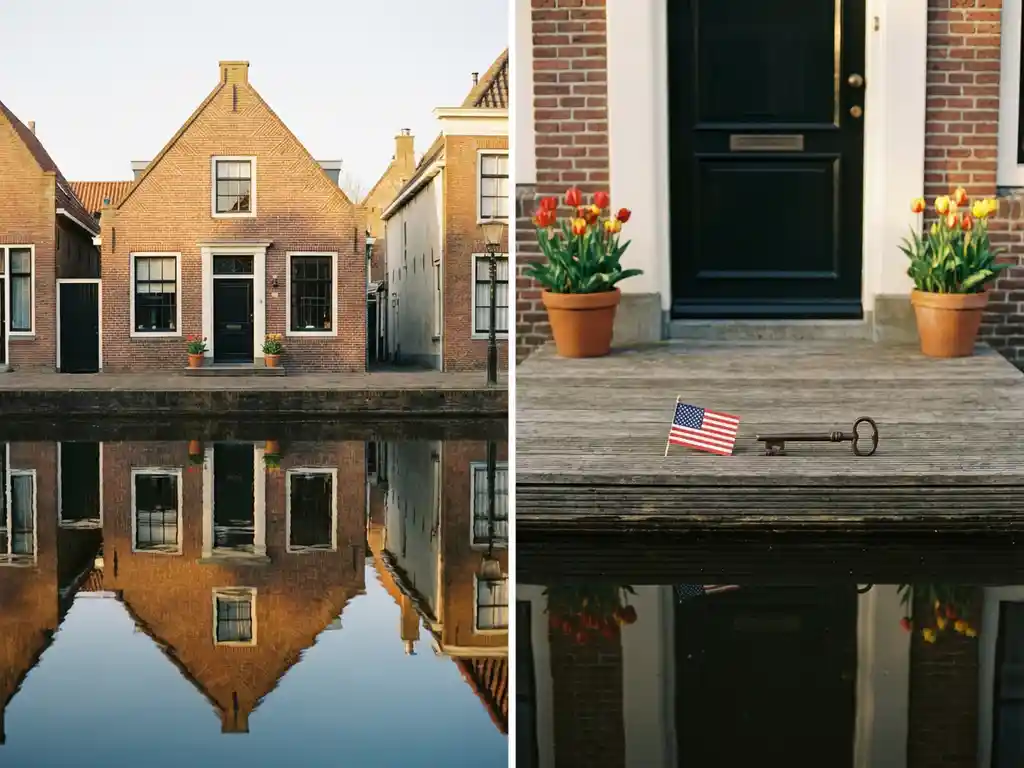
Can I buy a house in the Netherlands as a US citizen?
Buying a home in the Netherlands is a real goal for many US citizens who are settling there for work, love, or a fresh start. The Dutch property market moves fast, the rules can feel unfamiliar, and the paperwork is in a language most newcomers are still learning. This guide walks you through the key questions US expats ask before taking the plunge into Dutch homeownership.
Whether you have just arrived or have been living here for a few years, understanding the legal, financial, and practical landscape before you start house hunting will save you a great deal of stress. Let’s get into it.
Can US citizens legally buy property in the Netherlands?
Yes, US citizens can legally buy property in the Netherlands. The Netherlands imposes no nationality-based restrictions on property ownership, meaning foreign nationals, including Americans, have the same right to purchase real estate as Dutch citizens. Your passport alone is not a barrier to becoming a homeowner here.
This open approach to foreign ownership makes the Netherlands one of the more accessible property markets in Europe for internationals. You do not need to obtain special permission from the government simply because you hold a US passport. That said, your residency status, employment situation, and access to financing will all play a significant role in how straightforward the process actually is. Owning property and getting a mortgage are two different things, and the latter comes with more conditions.
Do you need a residence permit to buy a house in the Netherlands?
No, you do not need a residence permit to legally purchase a house in the Netherlands. The right to buy property is separate from your immigration status. However, your residency situation will strongly influence whether a Dutch bank is willing to lend you money to finance the purchase.
If you are living in the Netherlands on a valid residence permit, such as a highly skilled migrant visa or a partner visa, lenders will generally treat you more favorably than someone without legal residency. Without a BSN (Burgerservicenummer, the Dutch citizen service number), you will also struggle to open bank accounts, sign contracts, and complete the administrative steps involved in buying a home. So while a permit is not a legal requirement for ownership, having your residency paperwork in order makes the entire process significantly smoother.
Can a US citizen get a Dutch mortgage without a permanent contract?
Yes, it is possible to get a Dutch mortgage without a permanent employment contract, but it is more difficult. Dutch lenders typically prefer applicants with a stable employment history and a permanent contract. As a US expat, you may be working on a temporary or fixed-term contract, which raises questions for lenders about income stability.
What lenders look for
Dutch mortgage providers will assess your income, contract type, employer, and residency status. Some lenders are more experienced with expat applications and will consider fixed-term contracts, especially if your employer is a recognized international company or knowledge institution. Self-employed Americans face the steepest climb, as Dutch banks typically want to see several years of verified income before approving a mortgage for freelancers.
Working with a mortgage advisor
Engaging a mortgage advisor (hypotheekadviseur) who has experience working with internationals is strongly recommended. They can identify which lenders are most open to your situation and help you present your application in the strongest possible light. Some expat-focused financial advisors even specialize in US citizens specifically, which matters because of the additional complexity that comes with US tax obligations abroad. You can schedule a free meeting with an expat specialist to explore your options before committing to any lender.
What are the costs of buying a house in the Netherlands?
Beyond the purchase price, buying a house in the Netherlands typically adds around 4 to 6 percent in additional costs. The most significant is the transfer tax (overdrachtsbelasting), which is currently 2 percent for owner-occupied homes for buyers over 35, and 0 percent for first-time buyers under 35 purchasing a home below a set threshold.
Other costs to budget for include notary fees, mortgage advisory fees, valuation costs (taxatierapport), and the fee for the National Mortgage Guarantee (NHG), if applicable. Estate agent fees are typically paid by the seller in the Netherlands, but if you hire a buyer’s agent (aankoopmakelaar)—which is highly advisable in a competitive market—you will pay their fee yourself. Altogether, these costs can add up to several thousand euros on top of your down payment, so factoring them in early is essential.
How does the Dutch home-buying process work step by step?
The Dutch home-buying process moves quickly and follows a fairly structured sequence. From finding a home to receiving the keys, the process typically takes between six and twelve weeks once an offer is accepted.
- Get a mortgage pre-assessment: Before you start viewing homes, understand how much you can borrow. This gives you a realistic budget and makes your offers more credible.
- Find a buyer’s agent: A local aankoopmakelaar knows the market, negotiates on your behalf, and spots red flags in listings that you might miss as a newcomer.
- Make an offer: In competitive markets like Eindhoven or Tilburg, offers often go above the asking price. Your agent will advise on strategy.
- Sign the preliminary purchase agreement (koopovereenkomst): This is legally binding. You typically have a three-day cooling-off period after signing.
- Complete the valuation and mortgage application: Your lender will require an official valuation before finalizing your mortgage offer.
- Sign at the notary (notaris): The final transfer happens at the notary’s office, where you sign the deed of transfer and officially become the owner.
Every step involves Dutch-language documents, so building your language skills early pays off in real, practical ways. Being able to read a contract or communicate directly with your notary removes a layer of stress from an already intense process.
What are the biggest challenges US expats face when buying in the Netherlands?
US expats face a combination of financial, legal, and cultural challenges when buying property in the Netherlands. The most common hurdles include navigating the fast-paced housing market, dealing with US tax obligations as a property owner abroad, and communicating effectively in Dutch during a high-stakes process.
The FATCA and tax complexity
One challenge that is unique to American buyers is the Foreign Account Tax Compliance Act (FATCA). Because the US taxes its citizens on worldwide income regardless of where they live, owning property in the Netherlands adds a layer of reporting obligations. Some Dutch banks and financial institutions are reluctant to work with US citizens for this reason. Consulting a tax advisor who understands both Dutch and US tax law before you buy is not optional; it is essential.
Language and cultural barriers
The Dutch home-buying process is conducted almost entirely in Dutch. Contracts, correspondence with the notary, and negotiations all happen in the local language. Many US expats feel confident in English but find themselves lost when the paperwork arrives. This is one of the most practical reasons to invest in learning Dutch before or during your house hunt. Our Dutch language course is designed specifically for internationals like you, and reaching even a functional level of Dutch makes a real difference when you are reading contracts, speaking with neighbors, or asking your notary a question in their own language.
Beyond the paperwork, Dutch directness in negotiations can feel blunt to Americans who are used to a more cushioned communication style. Understanding the cultural norms around negotiation, decision-making, and professional interaction helps you navigate these moments with more confidence. Learning the language is not just about vocabulary; it is about understanding the people and the culture you are becoming part of. Tools like AI-powered Dutch learning for expats can help you build that confidence faster and on your own schedule.
Settling in the Netherlands is a journey that involves far more than finding a place to live. It means building a life, making connections, and feeling at home in a new culture. If you are at the stage of buying a house, you are clearly committed to that journey, and that is something worth celebrating. Dutch On Track is here to support you every step of the way.
Frequently Asked Questions
Can I use my US income or credit history to qualify for a Dutch mortgage?
Unfortunately, Dutch lenders do not recognize US credit scores or credit history when assessing your mortgage application. They will evaluate your income based on Dutch or EU-based employment records, tax returns, and bank statements. If you have recently relocated, this can be a significant hurdle, which is another reason why working with an expat-specialist mortgage advisor is so valuable — they know which lenders are most flexible with applicants who have limited Dutch financial history.
Do I need to file US taxes on my Dutch property or rental income?
Yes. As a US citizen, you are required to report your worldwide income to the IRS regardless of where you live, and that includes any rental income from a Dutch property. If you ever rent out your home, even temporarily, it must be declared. Additionally, the value of foreign real estate may need to be reported under FBAR or FATCA rules depending on your overall financial situation. Hiring a dual-qualified tax advisor — someone who understands both Dutch and US tax law — before you close on a property is strongly recommended to avoid costly surprises.
Is it worth hiring a buyer's agent (aankoopmakelaar), or can I navigate the process on my own?
In the current Dutch housing market, especially in competitive cities and regions, hiring a buyer's agent is almost always worth the cost. A good aankoopmakelaar will help you move fast on listings, negotiate strategically, identify structural or legal issues in a property, and guide you through Dutch-language paperwork. As a US expat unfamiliar with local market norms, having an experienced professional in your corner significantly reduces the risk of overpaying or missing critical red flags in a listing.
What happens if my offer is accepted but my mortgage is denied — do I lose my deposit?
Not necessarily, provided you include a financing contingency clause (financieringsvoorbehoud) in your preliminary purchase agreement (koopovereenkomst). This clause gives you the right to withdraw from the purchase without penalty if your mortgage is not approved within a specified timeframe, typically four to six weeks. Always ensure this clause is included before signing — your buyer's agent or notary can advise on the standard terms. Without it, you could be liable for a penalty of 10 percent of the purchase price if you back out.
How long does it typically take to get a BSN, and should I get one before I start house hunting?
Getting a BSN (Burgerservicenummer) typically takes a few days to a couple of weeks once you register with your local municipality (gemeente). You will need it to open a Dutch bank account, sign legal contracts, and complete virtually every administrative step involved in buying a home. If you are serious about purchasing property in the Netherlands, registering with your gemeente and obtaining your BSN should be one of the very first things you do — ideally well before you begin actively viewing homes.
Can I buy property in the Netherlands as a non-resident US citizen — for example, as a holiday home or investment?
Yes, non-resident US citizens can legally purchase property in the Netherlands, as there are no nationality or residency restrictions on ownership. However, financing the purchase through a Dutch mortgage as a non-resident is extremely difficult, as most Dutch lenders require you to be living and working in the Netherlands. Most non-resident buyers in this situation purchase with cash or explore financing options in the US. Keep in mind that rental income from a Dutch property will be subject to Dutch taxation and must also be reported to the IRS.
What level of Dutch do I realistically need before buying a home there?
You do not need to be fluent, but reaching a functional intermediate level — roughly B1 on the CEFR scale — makes a meaningful difference when reading contracts, communicating with your notary, and understanding correspondence from your lender or municipality. Many key documents, including the koopovereenkomst and the deed of transfer, are in Dutch and carry serious legal weight. Even a working knowledge of the language helps you catch errors, ask informed questions, and feel more confident throughout the process — which is exactly why investing in structured Dutch lessons before or during your house hunt is time well spent.