What is the most Dutch thing?
The Netherlands is one of those places that gets under your skin quickly. Whether you have just landed in Eindhoven or Tilburg, or you have been navigating expat life in the Netherlands for a few months, you have probably already noticed that Dutch culture operates by its own set of unspoken rules. Some of it feels refreshingly straightforward. Some of it leaves you genuinely puzzled. Either way, understanding what makes the Dutch the Dutch is one of the most rewarding parts of settling in the Netherlands.
This guide answers the questions that expats actually ask, from famous Dutch directness to the art of gezelligheid, and gives you practical ways to embrace it all in your daily life.
What is the most Dutch thing about the Netherlands?
The most Dutch thing about the Netherlands is the combination of radical honesty, a deeply communal social culture, and an almost stubborn practicality. If you ask a Dutch person for their opinion, they will give it to you straight. If you invite a Dutch colleague for coffee, they will check their agenda and suggest a specific time. Life here runs on clarity, structure, and genuine respect for other people’s time.
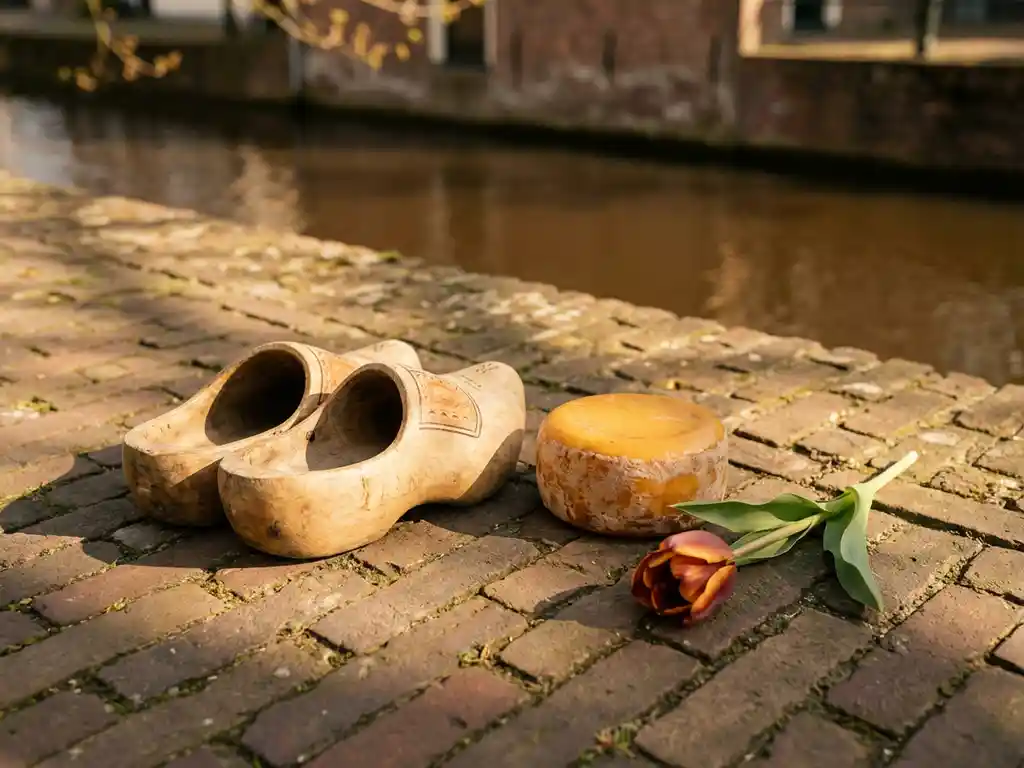
Beyond the stereotypes of windmills and cycling, what truly defines Dutch culture is a kind of grounded confidence. People say what they mean, mean what they say, and expect the same from you. For many expats, this takes some getting used to, but once you understand it, it becomes one of the most likable things about living in the Netherlands.
Why are Dutch people so direct and honest?
Dutch directness is rooted in a cultural value called doe maar gewoon, which roughly translates to “just act normal.” The idea is that pretense and over-politeness waste everyone’s time. Being straightforward is seen as a sign of respect, not rudeness. If a Dutch person tells you your idea needs work, they are treating you as an equal who can handle honest feedback.
This directness also has historical roots. The Netherlands has long been a trading nation where clear communication and reliable agreements were essential to doing business across cultures. That pragmatic honesty became woven into everyday social life over generations. For expats navigating Dutch workplaces or social circles, understanding this context makes a huge difference. What can initially feel blunt is almost always well-intentioned.
What does ‘gezelligheid’ mean and why does it matter?
Gezelligheid is a Dutch concept that describes a warm, cozy, convivial atmosphere shared with others. It is the feeling of a candlelit dinner with friends, a lively pub with good conversation, or a relaxed evening at someone’s kitchen table. There is no direct English translation because it captures both a physical atmosphere and an emotional state at the same time.
For expats, understanding gezelligheid is essential to understanding Dutch social life. The Dutch do not just want to hang out; they want to create a specific kind of togetherness. Showing up on time, being present in conversation, and contributing to the mood all matter. Once you tune into this concept, you will start recognizing gezelligheid everywhere, and you will understand why the Dutch take their social rituals so seriously.
What are the most typical Dutch habits and daily rituals?
Several daily habits define life in the Netherlands and will quickly become familiar as you settle in as an expat:
- Cycling everywhere: The bike is not just transport; it is a lifestyle. Dutch people cycle to work, to school, to parties, and in all kinds of weather.
- The 3 o’clock coffee moment: A short break with coffee and a biscuit, often shared with colleagues or neighbors, is a near-sacred daily ritual.
- Agenda culture: Spontaneous visits are rare. Social plans are scheduled, often weeks in advance, and punctuality is taken seriously.
- Eating dinner early: Most Dutch households eat dinner between 17:30 and 18:30, which surprises many expats from Southern European or Latin American backgrounds.
These habits are not quirks; they reflect deeper values around efficiency, community, and respect for routine. The sooner you lean into them rather than resist them, the more at home you will feel in Dutch daily life.
How do Dutch social customs differ from other cultures?
Dutch social customs differ most noticeably in their emphasis on equality, planning, and directness in relationships. Unlike cultures where social hierarchy shapes every interaction, the Dutch tend to treat everyone as a peer, regardless of age or status. This applies at work, in friendships, and even in family dynamics.
The role of privacy and personal space
Dutch people value their private lives and are not quick to open up to strangers. Building a genuine friendship takes time and consistent effort. Do not mistake initial reserve for coldness; it is simply a cultural norm to keep personal and professional circles relatively separate at first.
Going Dutch on everything
The phrase “going Dutch” exists for a reason. Splitting bills evenly is standard practice in the Netherlands, even on dates or at birthday dinners. This is not stinginess; it reflects the deeply held value of equality and independence. Knowing this in advance saves a lot of awkward moments for expats who are new to Dutch social settings.
How can expats embrace Dutch culture in daily life?
Expats can embrace Dutch culture by engaging with it actively rather than observing from a distance. Start cycling, even if it feels chaotic at first. Accept invitations even when they feel overly formal. Learn a few Dutch phrases and use them in shops and with neighbors. Small gestures of cultural participation go a long way in building genuine connections.
One of the most effective and enjoyable ways to absorb Dutch culture is through language. When you understand what people are actually saying, you pick up on humor, nuance, and social cues that simply do not translate. Language learning also gives you immediate access to social environments where real Dutch life happens, from neighborhood conversations to workplace banter. It is one of the fastest routes from feeling like an outsider to feeling like you belong.
How Dutch on Track helps expats feel at home in the Netherlands
Dutch on Track was built specifically for people navigating expat life in the Netherlands. We know that learning a language is about far more than grammar; it is about confidence, connection, and finally feeling like you truly belong in your new country. Here is how we make that happen:
- Small groups of 8 to 10 students create a genuinely social learning environment where friendships form naturally alongside your Dutch skills.
- A communicative approach from day one means you start speaking, laughing, and making mistakes in a safe space, which is exactly how real language confidence grows.
- Lessons tied to daily life in the Netherlands ensure that what you learn on Tuesday evening is immediately useful on Wednesday morning.
Our courses run after work hours in central Eindhoven and Tilburg, which makes them easy to fit around a busy schedule. Many students tell us that their Dutch on Track class quickly became one of their favorite parts of the week, not just for the language, but for the community. If you are ready to stop watching Dutch life from the sidelines, schedule a free meeting with us and take the first step. Or explore our Beginner Dutch Course to see where your journey can start.
Frequently Asked Questions
How long does it typically take to make real Dutch friends as an expat?
Building genuine friendships with Dutch people usually takes longer than expats expect — often six months to a year of consistent, scheduled contact. The key is to show up reliably, respect their agenda culture, and not interpret initial reserve as rejection. Joining a regular activity, like a Dutch language class, a sports club, or a neighborhood association, dramatically speeds up the process because it gives you repeated, low-pressure exposure to the same people over time.
Is it considered rude not to learn Dutch if I speak English fluently?
Most Dutch people speak excellent English and will switch languages without hesitation, but making no effort to learn Dutch can come across as indifference to your new home over time. You will rarely be called out for it directly (that would feel impolite even by Dutch standards), but locals do notice and appreciate expats who try. Even a basic greeting, a 'dankjewel,' or ordering your coffee in Dutch signals respect and opens social doors that staying in English keeps closed.
What are the most common cultural mistakes expats make when first arriving in the Netherlands?
The most frequent missteps include showing up unannounced at someone's home, interpreting honest feedback as a personal attack, and expecting the social spontaneity common in Southern European or Latin American cultures. Another very common one is misreading the Dutch handshake-and-three-kisses greeting — the three kisses on alternating cheeks are reserved for people you already know well, not new acquaintances. Being aware of these pitfalls before they happen saves a lot of unintentional awkwardness.
Do I need to learn Dutch if I'm only planning to stay in the Netherlands for one or two years?
Even for a shorter stay, learning basic Dutch pays off quickly in quality of life. It reduces everyday friction — from reading official letters and understanding your lease to chatting with your neighbors or navigating a GP appointment. Beyond practicality, it shifts your experience from 'living in a foreign country' to 'living in a community,' which makes an enormous difference in how settled and happy you feel, regardless of how long you stay.
How do I handle Dutch directness in a professional setting without taking it personally?
The most helpful reframe is to treat blunt feedback as a sign of respect rather than criticism — Dutch colleagues give direct input because they consider you capable of hearing it and acting on it. Try to respond in kind by being equally clear and concrete rather than vague or overly diplomatic, as hedging can actually create confusion in Dutch workplace culture. If feedback stings, give yourself a moment before responding, and remember that the intent is almost never unkind.
What is the best way to get started with Dutch if I have zero experience with the language?
The best starting point is a structured beginner course that prioritizes speaking from day one, rather than self-study apps that keep you in a passive learning loop. Surrounding yourself with other learners at a similar level removes the pressure of performing in front of fluent speakers and makes the early stages genuinely enjoyable. Pair your course with small daily habits — changing your phone language to Dutch, listening to a Dutch podcast on your commute, or trying to read product labels at the supermarket — and progress comes faster than most beginners expect.
Are Dutch cultural norms different in Eindhoven and Tilburg compared to Amsterdam?
Yes, there are noticeable regional differences. Amsterdam is more cosmopolitan, fast-paced, and accustomed to international residents, which can make it feel more anonymous. Eindhoven and Tilburg, located in the southern province of Noord-Brabant, tend to have a warmer, more community-oriented social culture — locals are often described as more sociable and a little less reserved than their Randstad counterparts. For expats, this can actually make it easier to build genuine local connections in these cities than in the capital.