Are expats happy in the Netherlands?
Most expats in the Netherlands report a positive overall experience, but happiness levels vary significantly depending on how well they integrate socially and linguistically. Expats who build local connections and develop some Dutch language skills tend to feel far more settled and satisfied than those who remain in an English-speaking bubble. The questions below unpack the full picture of expat life in the Netherlands in 2026.
What do expats struggle with most in the Netherlands?
The biggest challenges expats face in the Netherlands are language barriers, navigating Dutch bureaucracy, and breaking into established social circles. Dutch directness can also feel abrasive to newcomers from cultures where communication is more indirect. These hurdles are especially pronounced in the first year, before daily routines and local networks have had time to form.
Practical tasks that locals handle effortlessly, such as registering at the gemeente, booking a GP appointment, or dealing with a school for children, can become genuinely stressful when you do not speak the language. Even in a country where English proficiency is high, important official processes still happen primarily in Dutch, and relying on a partner or colleague for every interaction takes a real toll on confidence and independence.
For expat partners in particular, the challenge is compounded. While the working expat has a ready-made social structure through their job, partners often spend long stretches at home without colleagues, routines, or a natural way to meet people. This combination of practical friction and social isolation is one of the most consistently reported pain points among internationals living in cities like Eindhoven and Tilburg.
Why do some expats feel lonely in the Netherlands?
Some expats feel lonely in the Netherlands because Dutch social culture is relatively closed to new friendships in adulthood. Dutch people tend to maintain long-standing social circles and plan social engagements well in advance, which can make spontaneous connection feel difficult for newcomers. Without a shared language or cultural context, breaking into those circles takes sustained effort.
Expat social life in the Netherlands is often described as a tale of two worlds: a vibrant international community on one side, and a local Dutch community that feels just out of reach on the other. Many expats find it easy to meet other internationals but struggle to form genuine bonds with Dutch neighbours or colleagues beyond surface-level pleasantries.
The loneliness is also situational. Expat partners who are not working face the sharpest isolation, particularly if they have relocated from a country where they had an established career, social network, and sense of identity. Without a daily structure that brings them into contact with other people, weeks can pass with limited meaningful social interaction.
What makes expats happy about living in the Netherlands?
Expats consistently highlight the Netherlands’ high quality of life, excellent infrastructure, safety, and strong work-life balance as major positives. The cycling culture, well-organized cities, international schools, and widespread English proficiency make day-to-day life genuinely comfortable for most newcomers.
Beyond practicalities, many expats grow to love the Dutch emphasis on equality, directness, and personal freedom. Once the initial culture shock fades, the same directness that can feel rude at first often comes to feel refreshing and honest. The flat social hierarchies in workplaces and communities tend to appeal to internationally minded professionals.
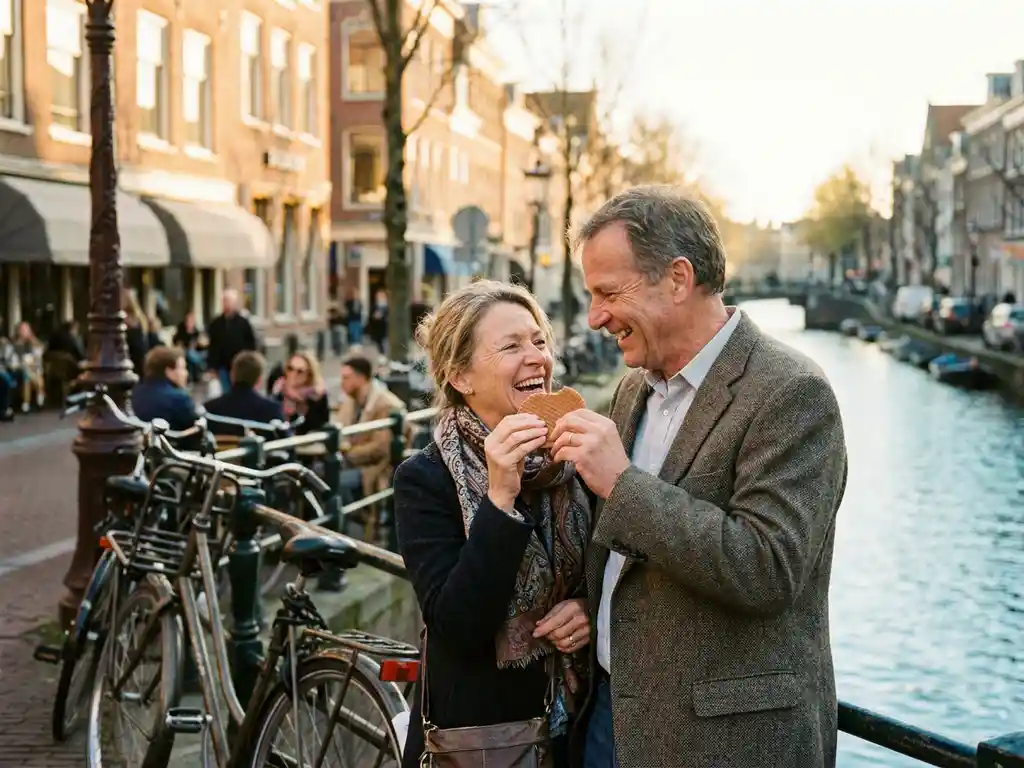
The expat community itself is also a significant source of happiness. The Netherlands, particularly cities like Eindhoven and Amsterdam, has a large, well-connected international population. Shared experiences of navigating a new country create fast and meaningful friendships, and many expats describe the relationships they build with fellow internationals as among the most rewarding of their lives.
How long does it take expats to feel at home in the Netherlands?
Most expats report that it takes between one and two years to genuinely feel at home in the Netherlands. The first six months are typically the most disorienting, with culture shock, administrative stress, and social isolation peaking before gradually easing as routines, relationships, and local knowledge accumulate.
The timeline varies considerably based on a few key factors. Expats who actively pursue language learning, join local clubs or community activities, and step outside the expat bubble tend to settle in significantly faster. Those who remain within an entirely English-speaking environment often find that even after several years, the Netherlands still feels temporary rather than home.
Children and work are natural accelerators. Parents become embedded in school communities quickly, and working expats build professional networks that create a sense of belonging. For expat partners without either of these anchors, the journey to feeling at home can take longer without deliberate effort to build connections independently.
Does learning Dutch make expats happier in the Netherlands?
Yes, learning Dutch has a measurable positive effect on expat happiness in the Netherlands. Speaking even basic Dutch opens doors to genuine interactions with locals, reduces daily friction, and builds a sense of confidence and independence that is difficult to achieve any other way. Language is not just a communication tool; it is a bridge to belonging.
Expats who learn Dutch describe a shift in how they experience everyday life. Chatting with a neighbour, following a conversation at a birthday party, or managing a phone call with a school without needing help all contribute to a growing sense of agency. That independence directly counters the feelings of isolation and dependence that make expat life hard for many partners.
Learning Dutch also has a social dimension that goes beyond the language itself. Group language classes bring together people in exactly the same situation, which means friendships form naturally alongside vocabulary. At Dutch on Track, we see this consistently: students come for the language and stay for the community. The classroom becomes a social anchor in a new city, and that sense of shared experience is part of what makes the learning process genuinely enjoyable rather than just useful.
Which Dutch cities are most popular with expats?
Amsterdam, Eindhoven, The Hague, Rotterdam, and Utrecht are the most popular cities for expats in the Netherlands. Amsterdam attracts internationals across all industries, while Eindhoven has become a major hub for tech and design professionals, particularly those connected to ASML and the broader Brainport ecosystem. The Hague draws diplomatic and international organization staff.
Eindhoven and Tilburg in particular have seen significant growth in their international populations over recent years. Eindhoven’s reputation as a technology and innovation hub means it attracts highly educated professionals and their families from across the world, creating a rich and diverse expat community. Tilburg, with its universities and growing economy, has followed a similar trajectory.
For expats settling in these cities, the combination of a strong international community and an accessible Dutch culture makes them well-suited to the integration journey. Both cities are compact and walkable, which makes it easier to build local connections and develop a genuine sense of neighbourhood life.
How Dutch on Track Helps with Expat Life in the Netherlands
Feeling at home in the Netherlands starts with being able to communicate, connect, and participate in daily life on your own terms. Dutch on Track was built specifically for expats and their partners who want to move beyond the English-speaking bubble and genuinely integrate into Dutch society. Here is what makes our approach different:
- Practical, communicative learning: We focus on speaking from day one, covering real situations like visiting the doctor, talking to neighbours, and managing school conversations, so you build confidence fast.
- Small groups of 8 to 10 people: Classes bring together internationals in the same situation, which means you build friendships alongside your Dutch skills.
- Flexible blended learning: Our method combines e-learning preparation, interactive classroom sessions, and consolidation exercises, fitting around work and family life.
- Certified Dutch as a Second Language teachers: All our instructors are specialists in teaching Dutch to highly educated internationals, ensuring you progress efficiently and enjoyably.
Whether you are just arriving in Eindhoven or Tilburg or have been here a while and want to finally break through the language barrier, Dutch on Track offers courses from absolute beginner level all the way to B1. The social side of learning with us is just as real as the linguistic progress: students regularly describe their classmates as their first real friends in the Netherlands. If you are ready to feel more independent, more connected, and more at home, schedule a free meeting with Dutch on Track and take the first step.
Frequently Asked Questions
Is it worth learning Dutch if I only plan to stay in the Netherlands for a few years?
Even for a short-term stay, learning basic Dutch is absolutely worth it. It reduces daily friction, builds independence, and dramatically improves your social experience — all of which matter whether you are staying two years or ten. Many expats who initially planned a short stay ended up extending precisely because learning Dutch helped them feel genuinely at home, and that connection to the country changed their plans.
What are the most common mistakes expats make when trying to integrate in the Netherlands?
The most common mistake is staying exclusively within the expat bubble — it is comfortable, but it delays real integration and can make the Netherlands feel permanently temporary. Another frequent misstep is waiting until Dutch feels ‘necessary’ before starting to learn it; by that point, habits and social circles are already set. Actively joining local clubs, sports teams, or language classes from the start gives integration a structure it would otherwise lack.
How can expat partners specifically build a social life and sense of purpose in the Netherlands?
The most effective strategies for expat partners are to create a daily routine quickly, pursue a structured activity outside the home — such as a language course, volunteering, or a local sports club — and resist the temptation to put social life on hold until Dutch feels easier. Language classes are particularly powerful because they deliver social connection and personal development simultaneously, addressing both isolation and the loss of professional identity at once. Community groups specifically for expat partners, such as those run by international women’s clubs or local expat networks, can also provide immediate belonging while longer-term friendships develop.
What level of Dutch do I actually need to function comfortably in daily life?
A solid A2 level — roughly the ability to handle everyday conversations, read basic notices, and manage routine interactions — makes a significant difference to daily comfort and independence. Reaching B1 opens the door to more meaningful conversations with Dutch colleagues and neighbours and is the level at which most expats describe feeling genuinely capable in the language. You do not need to be fluent to benefit enormously; even consistent progress from A0 to A1 changes how confident and settled you feel in everyday situations.
How do I find the right Dutch language course as a busy working expat or expat partner?
Look for a course specifically designed for highly educated internationals rather than a general language school, as the teaching approach, pace, and vocabulary will be far more relevant to your actual life. Blended learning formats — combining online preparation with small in-person group sessions — work particularly well for people juggling work or family commitments, as they offer structure without requiring rigid scheduling. It is also worth prioritising a course with small class sizes, since the social dimension of learning alongside people in the same situation is one of the most underrated benefits of group language learning.
Will my Dutch neighbours and colleagues appreciate me trying to speak Dutch, even if I make mistakes?
Yes — making the effort to speak Dutch, even imperfectly, is almost universally well-received by Dutch people and signals genuine respect for the culture and community. Dutch people are typically pragmatic and encouraging toward learners, and most will happily switch to Dutch with you if they know you are trying to learn. The fear of making mistakes is one of the biggest barriers expats face, but in practice, attempting the language opens far more doors than it closes.
Are there specific resources or communities in Eindhoven and Tilburg that help expats integrate?
Both Eindhoven and Tilburg have active expat communities with regular events, networking groups, and international clubs that make it easier to meet people quickly after arriving. Organisations like Expat Center South Netherlands provide practical settlement support, while local Facebook groups, Internations meetups, and community sports clubs offer more informal social entry points. Language courses based in these cities — such as those offered by Dutch on Track — also function as genuine community hubs, regularly connecting newly arrived internationals who go on to form lasting friendships outside the classroom.