Can you switch between different Dutch language course levels?
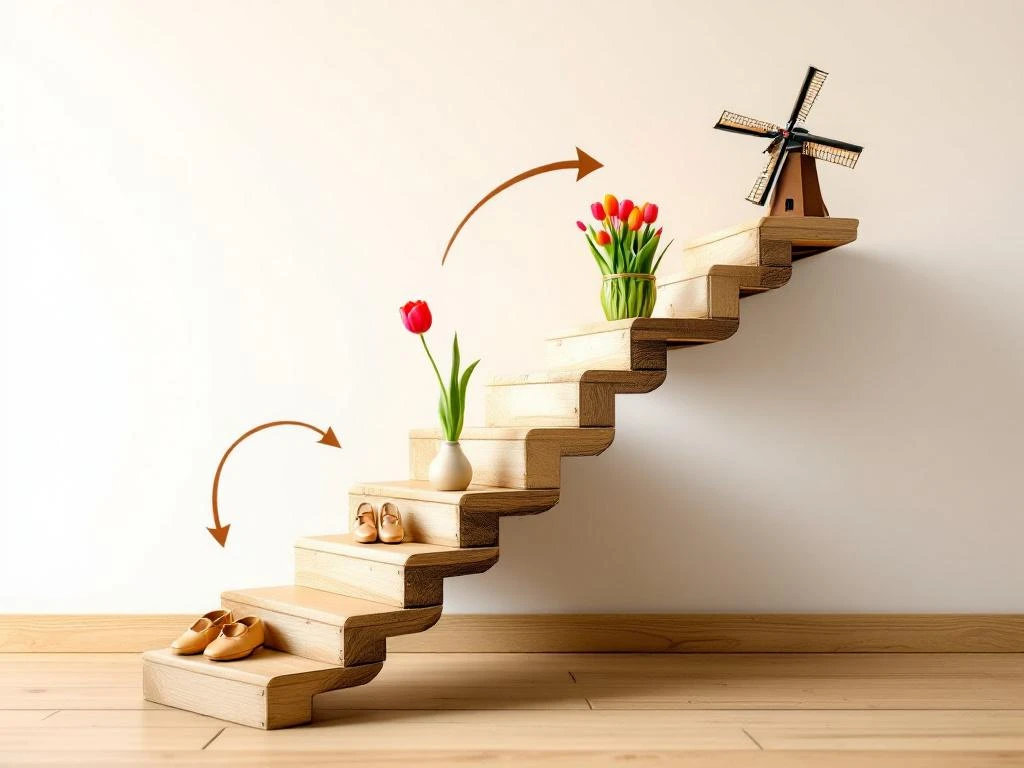
Yes, you can switch between different Dutch course levels, and many language schools accommodate level changes when students need adjustments. Switching typically happens when your current level is too easy, too challenging, or doesn’t match your learning pace. Schools usually allow changes during specific periods and may require an assessment to ensure proper placement in your new level.
What does it mean to switch between Dutch course levels?
Switching between Dutch course levels means moving from one proficiency level to another during your language learning journey. The Common European Framework of Reference (CEFR) organises Dutch language courses into levels: A0 (complete beginner), A1 (basic), A2 (elementary), and B1 (intermediate). Level switching occurs when your current course doesn’t match your actual abilities, learning needs, or social comfort within the group.
This adjustment can happen in either direction. You might move up if you’re progressing faster than expected, or move down if you need more time to master fundamental concepts. Sometimes students switch to find a group with better social dynamics or cultural exchange opportunities that enhance their learning experience.
Level changes typically occur at natural transition points, such as between course modules or at the start of new terms. Some students discover they need adjustments after a few lessons, when they better understand not only the academic pace but also the group’s cultural diversity and social interaction style.
When should you consider switching to a different Dutch course level?
Consider switching levels when you consistently feel the material is too easy, too difficult, or moving at the wrong pace for your learning style. Key indicators include struggling with basic concepts, feeling bored during lessons, not connecting with your classmates culturally, or missing out on the social aspects that make language learning enjoyable. Your comfort level during speaking exercises, participation in cultural discussions, and the friendships you’re forming also indicate whether you’re in the right level.
If you find yourself understanding everything immediately and finishing exercises much faster than others, you might benefit from a higher level with more diverse cultural perspectives. Conversely, if you’re spending excessive time on homework or feeling excluded from group conversations about Dutch culture and traditions, a different level might help you find your community.
Pay attention to your confidence when speaking Dutch outside class and your enthusiasm for Dutch culture. If you’re in the right level, you should feel gradually more comfortable using what you’ve learned in real situations while also gaining cultural insights and making meaningful connections with fellow learners and locals.
How do Dutch language schools handle level changes during courses?
Most Dutch language schools have established policies for level changes, typically allowing switches during the first few weeks of a course or at specific transition points. Schools usually require a brief assessment or consultation with instructors before approving level changes, considering both academic readiness and social integration needs. This ensures the new level matches your abilities and provides the right environment for cultural exchange and friendship building.
The process often involves speaking with your current teacher, who can provide insights into your progress, social integration, and readiness for change. Some schools offer placement tests or trial lessons in the potential new level, allowing you to experience the group dynamics and cultural diversity before making the switch official.
Administrative considerations include available space in your desired level and alignment with payment schedules. Schools may have different policies about refunds or additional fees when switching levels, particularly if there’s a price difference between courses or if the change affects cultural activities and excursions included in the program.
What challenges might you face when switching Dutch course levels?
Switching levels can create temporary disruption to your learning routine and the valuable social connections within your original class. You’ll need to adapt to different teaching methods, catch up with new material, integrate with a new group of classmates, and rebuild the cultural exchange relationships that make language learning enriching. The pace and focus areas might differ significantly between levels, as might the cultural backgrounds and interests of your new classmates.
Moving up a level often means encountering more complex grammar and vocabulary, plus deeper cultural discussions that build on concepts you might have missed. Moving down can feel discouraging initially, even though it often leads to better long-term progress, stronger friendships, and more meaningful cultural understanding.
Social dynamics present another significant challenge, especially for expats seeking community. You’ll leave behind relationships formed in your original class and need to establish new connections. Different class personalities, cultural backgrounds, and social learning styles might require adaptation to group discussions, cultural exchange activities, and the informal socializing that often extends beyond class time.
The social and cultural benefits of finding your right Dutch course level
Being in the right Dutch course level enhances not just your language skills but also your social integration and cultural understanding. When you’re comfortable with the academic pace, you can focus more on building friendships, exploring Dutch culture, and participating in the social aspects that make language learning truly rewarding. This is particularly valuable for expats who see language classes as a gateway to their new community.
The right level allows you to engage meaningfully in cultural discussions, participate confidently in group activities, and form lasting friendships with both fellow international students and Dutch locals. You’ll find yourself more willing to join after-class social gatherings, cultural excursions, and informal conversation practice sessions that deepen your understanding of Dutch society.
Many students discover that their language class becomes their first social circle in the Netherlands, leading to friendships that extend far beyond the classroom. When you’re in a level that matches your abilities, you’re more likely to contribute to group discussions about Dutch customs, participate in cultural activities, and build the social confidence needed to integrate into Dutch society.
How Dutch on Track helps with flexible Dutch learning
We understand that finding the right level is crucial not only for your academic success but also for your social integration and cultural exploration in the Netherlands. Our approach begins with a thorough assessment to place you in the most suitable Dutch language course level from the start, considering your learning goals, cultural interests, and social preferences. We offer flexible switching options and ongoing support to ensure you’re always in the right learning environment for both language development and community building.
Our experienced instructors monitor your progress closely and can recommend level adjustments when needed, always considering how the change will affect your social connections and cultural learning opportunities. We facilitate smooth transitions by providing catch-up materials, personal guidance, and introductions to help you integrate successfully into your new class community.
Ready to find your perfect Dutch language course level and start building meaningful connections in the Netherlands? Schedule a free consultation to discuss your learning goals, cultural interests, and social preferences. Visit our main page to explore all available course options and start your journey toward Dutch fluency, cultural understanding, and lasting friendships.
Frequently Asked Questions
How long should I wait before requesting a level change if I feel my current Dutch course isn't the right fit?
It’s best to attend at least 2-3 lessons before making a level change request, as this gives you enough time to understand the teaching style, pace, and class dynamics. However, if you’re completely lost or extremely bored from the first lesson, don’t hesitate to speak with your instructor immediately. Most schools are more flexible with changes during the first two weeks of a course.
Will I lose money if I switch to a different Dutch course level mid-course?
This depends on your school’s policy and the timing of your switch. Many schools allow level changes within the first few weeks without financial penalties, especially if both levels cost the same. Some may charge a small administrative fee or require you to pay the difference if switching to a more expensive level. Always check the terms and conditions when enrolling.
What should I do to prepare for joining a Dutch class that's already several weeks into the course?
Ask your new instructor for a summary of topics covered and any essential materials you’ve missed. Review the textbook chapters that were already completed and practice key vocabulary from previous lessons. Consider scheduling a brief one-on-one session with the teacher or a study session with a classmate to catch up on important concepts before your first class.
How can I tell if I should move up or down a level versus just needing more practice time?
If you understand the concepts but need more time to apply them confidently, you likely just need more practice rather than a level change. However, if you consistently don’t understand the grammar explanations, vocabulary is completely unfamiliar, or you can’t follow basic conversations, you should consider moving down. Moving up is appropriate when you finish exercises quickly, find the content repetitive, and feel unchallenged.
Can I switch between different course formats (intensive vs. regular) when changing levels?
Yes, many schools allow you to change both level and course format simultaneously, though this may require additional coordination. Intensive courses cover material faster, so switching from regular to intensive might mean jumping ahead slightly, while moving to regular classes could provide more time to consolidate learning. Discuss your schedule and learning preferences with the school administrator.
What happens to my progress tracking and certificates if I switch Dutch course levels?
Your overall progress continues to be tracked regardless of level changes, and most schools maintain comprehensive records of your learning journey. Level switches are typically noted in your file, and you’ll still receive certificates for completed levels. Some schools provide additional documentation showing your adaptability and progress across different levels, which can actually demonstrate your commitment to finding the right learning path.
Related Articles
- 7 things to check before choosing an incompany Dutch course
- Why do so many expats struggle with social integration in the Netherlands?
- How do you adapt to Dutch culture as a new expat?
- What is a BSN number and why do you need one in the Netherlands?
- Why do small group Dutch classes help you speak faster than studying alone?