Do you need a Dutch driving licence as an expat?
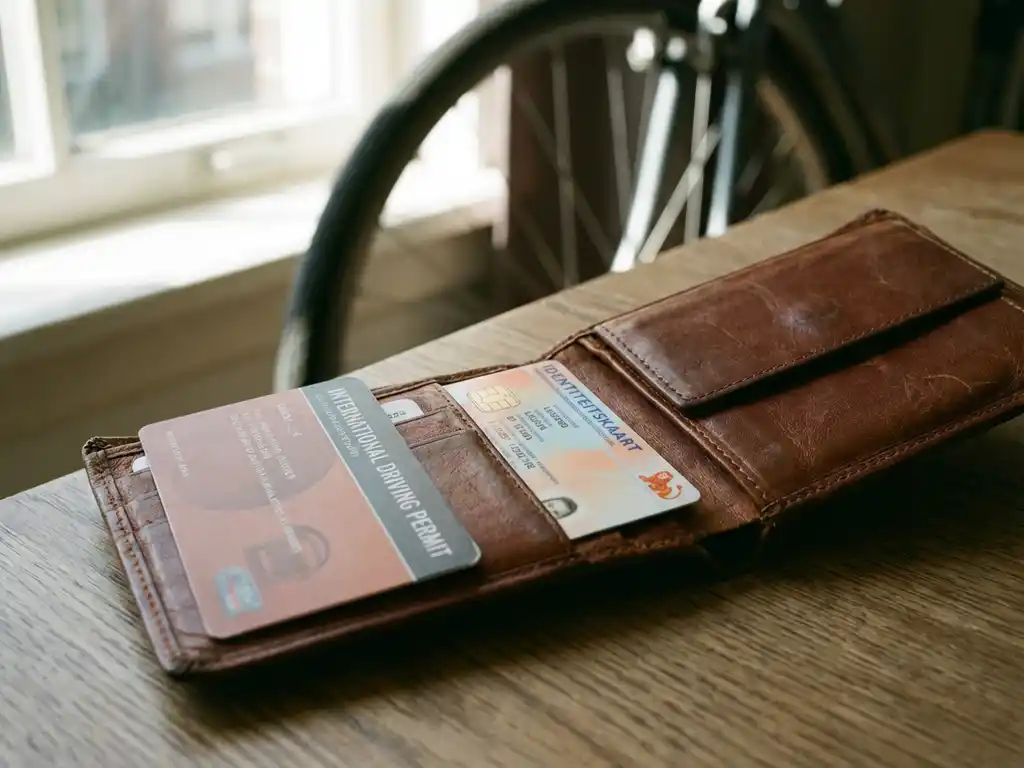
Moving to the Netherlands as an expat comes with a long to-do list, and sorting out your driving situation is often near the top. Whether you rely on a car for your daily commute, school runs, or weekend trips, understanding the rules around driving licences in the Netherlands can save you a lot of stress. Here is everything you need to know about driving legally as an expat living in the Netherlands.
Do expats need a Dutch driving licence to drive in the Netherlands?
Whether you need a Dutch driving licence as an expat depends on where your licence was issued and how long you have been living in the Netherlands. In most cases, you can drive on your foreign licence for a limited period after arriving, but the rules vary significantly depending on your country of origin.
The Netherlands has exchange agreements with a number of countries, which means holders of certain foreign licences can swap them for a Dutch one without retaking a driving test. If your country does not have such an agreement, you may eventually need to go through the full Dutch driving test process. Getting clarity on your specific situation early is important, because driving without a valid licence carries serious legal consequences.
How long can you drive on a foreign licence in the Netherlands?
If you hold a driving licence from an EU or EEA country, you can drive in the Netherlands for as long as your foreign licence remains valid, without needing to exchange it. However, if your licence is from a non-EU or non-EEA country, you are generally permitted to drive on it for only 185 days after registering as a resident in the Netherlands.
That 185-day window starts from the moment you officially register with your local municipality, not from when you first arrive in the country. Once that period expires, you are legally required to either hold a valid Dutch driving licence or have completed an exchange. It is worth noting that this timeline can feel surprisingly short once you factor in the administrative steps involved, so starting the process early is strongly recommended for anyone settling in the Netherlands.
Which foreign driving licences can be exchanged for a Dutch one?
The Netherlands has exchange agreements with a specific list of countries, meaning holders of licences from those countries can exchange them directly without sitting a new driving test. These countries include all EU and EEA member states, as well as a number of non-EU countries such as Japan, South Korea, Taiwan, Singapore, Switzerland, and several others.
The full and up-to-date list is maintained by the Dutch government and the RDW (the Netherlands Vehicle Authority), so it is always worth checking directly with them or your local municipality for the most current information. Licences from countries not on the exchange list cannot be swapped and require the holder to go through the standard Dutch driving test procedure instead.
How do you exchange a foreign driving licence for a Dutch licence?
To exchange a foreign driving licence for a Dutch one, you need to submit an application through your local municipality or directly to the RDW. The process typically involves submitting your current foreign licence, proof of identity, proof of Dutch residency registration, and a completed application form.
Here is a general overview of the steps involved:
- Register with your local municipality (gemeente) and obtain a BSN number
- Gather your documents, including your foreign licence, passport, and proof of address
- Submit your application at the municipality or an authorised CBR or RDW location
- Your foreign licence is retained, and your Dutch licence is issued in return
Processing times can vary, so it is wise to start the exchange process well before your 185-day window closes. In some cases, you may also need to provide a certified translation of your foreign licence if it is not in the Latin script.
What happens if your country has no exchange agreement with the Netherlands?
If your driving licence comes from a country that does not have an exchange agreement with the Netherlands, you will need to obtain a Dutch driving licence through the standard route. This means passing both a theory exam and a practical driving test administered by the CBR, the Dutch driving test authority.
This process can take several months depending on availability and your individual progress, which is another reason to begin planning as soon as possible after arriving. Some expats find the Dutch driving test more demanding than what they experienced in their home country, particularly because of the structured approach to hazard perception and traffic rules. Taking a refresher course with a Dutch driving instructor can help bridge that gap and prepare you for what to expect.
Can learning Dutch help expats navigate daily life in the Netherlands?
Yes, learning Dutch makes a meaningful difference when navigating daily life in the Netherlands, including practical tasks like dealing with the RDW, communicating with your gemeente, or simply understanding road signs and official correspondence. While many Dutch people speak excellent English, official processes are often conducted in Dutch, and being able to participate directly builds both confidence and independence.
Beyond the practical benefits, speaking Dutch opens doors socially. Expat life in the Netherlands can sometimes feel isolating, especially in the early months. Learning the language gives you a genuine way to connect with your neighbours, colleagues, and the wider community. It transforms everyday interactions, from chatting at the market to joining a local sports club, into real opportunities for friendship and belonging.
Language learning also helps with understanding Dutch culture and the famous Dutch directness, which can feel blunt or even rude to newcomers but is simply a cultural norm once you understand the context. Developing that cultural fluency alongside your language skills makes settling in the Netherlands feel far less daunting and a lot more enjoyable.
How Dutch on Track helps expats feel at home in the Netherlands
Dutch on Track offers Dutch language courses specifically designed for expats, internationals, and their partners in Eindhoven and Tilburg. Our courses do more than teach grammar and vocabulary. They are built around real-life situations you actually encounter when living in the Netherlands, from navigating official processes to having genuine conversations with Dutch colleagues and neighbours.
What makes our approach different is the combination of practical learning and social connection. Our small group classes of 8 to 10 participants create a relaxed, fun environment where you practise speaking from day one, make mistakes without judgment, and build friendships with fellow internationals who are on the same journey. Many of our students tell us that the friendships they form in class are one of the unexpected highlights of the experience.
- Blended learning method combining e-learning preparation, interactive group classes, and consolidation
- Courses from complete beginner (A0) to intermediate (B1), including the flagship Dutch in 1 Year programme
- Small groups of 8 to 10 students, after work hours, at central locations in Eindhoven and Tilburg
- All teachers are certified specialists in Dutch as a Second Language
If you are ready to feel more confident, more connected, and more at home in the Netherlands, Dutch on Track is a great place to start. Schedule a free meeting with us to find out which course suits you best, or explore our Beginner Dutch Course if you are just starting out. We would love to be part of your Dutch journey.
Frequently Asked Questions
Can I drive in the Netherlands while my licence exchange application is being processed?
In most cases, yes — you can continue driving on your foreign licence while your exchange application is being processed, provided you are still within your 185-day window and your original licence remains valid. It is a good idea to carry proof of your application submission with you when driving, just in case you are stopped. If you are concerned about timing, contact the RDW or your municipality directly to confirm your specific situation.
What happens if I miss the 185-day deadline and forget to exchange my licence?
If you drive after the 185-day period has expired without a valid Dutch licence, you are technically driving without a licence, which is a serious offence in the Netherlands and can result in fines or other legal consequences. If you have missed the deadline and your country has an exchange agreement, contact the RDW or your municipality as soon as possible to find out whether a late exchange is still possible. If your country has no exchange agreement, you will need to begin the full CBR theory and practical test process without delay.
Do I need to retake my driving test if I move to the Netherlands from the UK or Australia?
It depends. The UK currently has an exchange agreement with the Netherlands, meaning UK licence holders can exchange their licence without retaking a driving test, though it is always worth confirming the latest status given post-Brexit administrative changes. Australia, however, does not have a full exchange agreement with the Netherlands, so Australian licence holders are generally required to pass both the CBR theory exam and the practical driving test. Always verify your country’s current status with the RDW, as agreements can change.
How difficult is the Dutch CBR driving theory exam, and how should I prepare for it?
The CBR theory exam is conducted in Dutch by default, though it is also available in English and several other languages, which is a relief for many expats. The exam tests your knowledge of Dutch traffic rules, road signs, and hazard perception, and is considered moderately challenging even for experienced drivers. The CBR website offers official practice materials, and there are several apps and online platforms specifically designed to help you prepare. Many expats recommend taking a few lessons with a Dutch driving instructor before sitting the exam, as Dutch traffic rules have some specific nuances that differ from other countries.
Will my foreign car insurance still be valid when I become a Dutch resident?
Your foreign car insurance policy may not automatically remain valid once you establish residency in the Netherlands, as many policies are tied to your country of residence. It is essential to notify your insurer of your move and check whether your existing cover extends to the Netherlands on a long-term basis. In most cases, you will need to arrange Dutch car insurance (WA-verzekering as a minimum, which covers third-party liability) once you are registered as a resident. Driving without valid insurance in the Netherlands carries significant penalties.
Can learning Dutch actually help me pass the CBR driving theory exam?
Absolutely — while the CBR theory exam is available in English, a working knowledge of Dutch is genuinely useful for understanding road signs, official correspondence from the RDW, and any communication with Dutch driving instructors during your practical lessons. Many road signs and markings in the Netherlands use Dutch text, so even a basic grasp of the language reduces cognitive load when you are on the road. Investing in Dutch language learning early in your expat journey pays dividends across many practical areas of daily life, including your driving experience.
What if I only drive occasionally — do the same licence rules still apply to me?
Yes, the rules apply regardless of how frequently you drive. Even if you only get behind the wheel occasionally for weekend trips or errands, you are still legally required to hold a valid licence for the Netherlands once your 185-day window has closed. There is no exception for infrequent drivers, so it is important not to delay the exchange or test process simply because you do not drive every day. The good news is that if your country has an exchange agreement, the process is relatively straightforward and does not require you to prove recent driving activity.