Why is it hard to make friends with Dutch people?
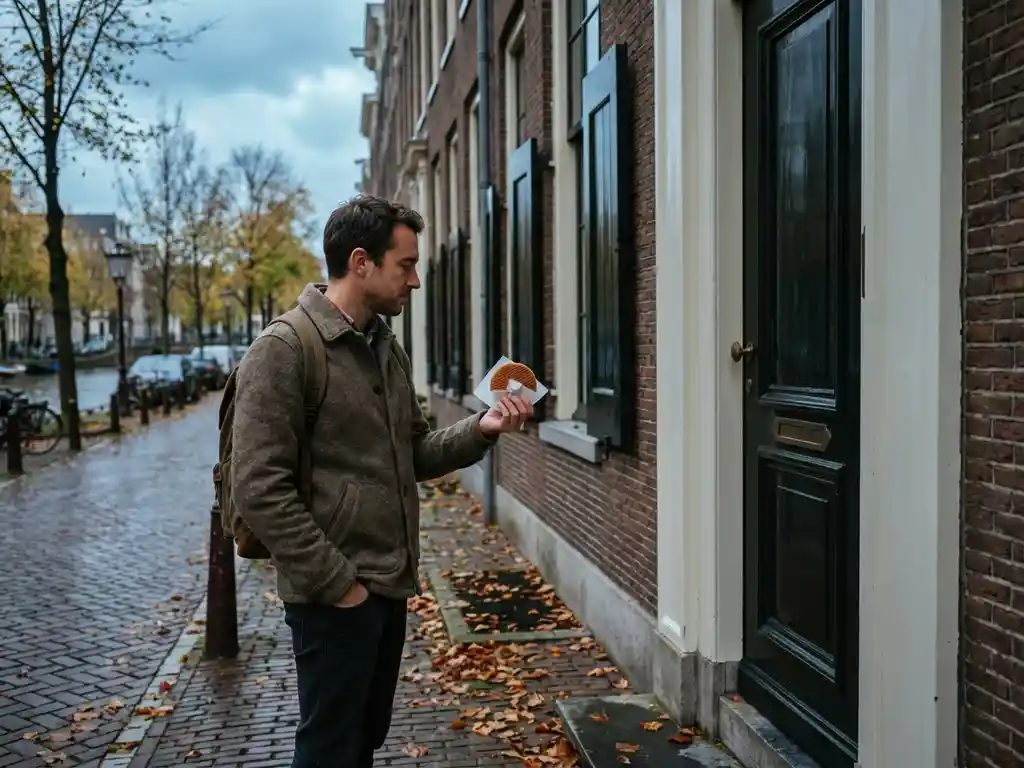
Making friends as an expat living in the Netherlands can feel surprisingly difficult, even when you are doing everything right. You show up, you smile, you try to connect, and yet Dutch people can seem politely distant in a way that is hard to decode. If you have ever wondered whether it is you or them, you are not alone. Understanding the social landscape of the Netherlands is one of the most important steps toward truly enjoying expat life here.
The good news is that the challenge is not insurmountable. Once you understand how Dutch social culture works and what locals actually respond to, settling in the Netherlands starts to feel a lot less lonely. This article breaks down the most common questions expats ask about making friends with Dutch people and gives you real, practical answers.
Why do Dutch people seem so hard to befriend?
Dutch people are not unfriendly; they are simply private. The Netherlands has a strong culture of compartmentalisation, where work colleagues, neighbours, and close friends occupy very separate social circles. Dutch people tend to invest deeply in a small number of long-term friendships rather than maintaining a wide network of casual acquaintances. For expats used to warmer, more spontaneous social cultures, this can feel like rejection when it is actually just a different rhythm.
It also helps to understand that Dutch social life is highly scheduled. Spontaneous drop-ins are rare, and people genuinely plan their social calendars weeks in advance. This is not coldness; it is respect for personal time. If you have been waiting for a Dutch neighbour to invite you over casually, that moment may never come—not because they dislike you, but because that is simply not how things work here. Once you adapt to the local rhythm, building genuine connections becomes far more achievable.
What makes Dutch directness so difficult to navigate?
Dutch directness is one of the biggest cultural shocks for expats settling in the Netherlands. Dutch people say exactly what they mean, without the social softening that many other cultures use as a matter of course. A Dutch colleague who tells you your idea needs work is not being rude; they are being respectful by giving you honest feedback. But if you are not used to this communication style, it can feel blunt or even unkind.
The difficulty is that directness can mask warmth. A Dutch person who challenges your opinion at dinner is often showing interest and engagement, not hostility. Learning to read these signals correctly takes time, and it helps enormously to have context. Expats who invest in understanding Dutch communication norms tend to find that what initially felt uncomfortable becomes one of the things they appreciate most about living in the Netherlands. You always know where you stand.
How does Dutch social life actually work?
Dutch social life revolves around structured, recurring gatherings rather than spontaneous meetups. The classic example is the verjaardag, the birthday circle, where guests sit in a circle, drink coffee or tea, and congratulate every single person in the room. It can feel formal to outsiders, but it is a genuine and important social ritual. Clubs, sports teams, and neighbourhood associations also play a huge role in how Dutch people maintain friendships over years and decades.
Understanding these structures matters for expats because they show you where to invest your social energy. Dutch friendships are built slowly, through repeated contact in shared contexts. A single great conversation rarely leads anywhere. But showing up consistently at the same sports club, language class, or community event over several months creates the kind of familiarity that Dutch friendships are built on. Patience and consistency are the real social currencies here.
Can learning Dutch really help you make local friends?
Yes, learning Dutch is one of the most effective ways to build genuine friendships with local people. Language is not just a communication tool; it is a signal of commitment. When Dutch people see that you have invested time in learning their language, it changes how they relate to you. It opens doors to conversations, jokes, and cultural references that simply do not translate. Even basic Dutch breaks down the invisible barrier between expat and local.
Beyond the practical benefits, learning Dutch in a group setting is itself a social experience. You meet other internationals who are navigating the same challenges, you laugh at the same pronunciation mistakes, and you build friendships through shared effort. Many expats find that their language classmates become some of their closest friends in the Netherlands—people who genuinely understand what it means to build a life in a new country. Language learning, done right, is as much about community as it is about grammar.
Where can expats meet Dutch people in everyday life?
The best places to meet Dutch people are the ones where repeated contact happens naturally over time. These include:
- Sports clubs and fitness groups, where weekly schedules create regular, low-pressure interaction
- Local volunteer organisations, which are deeply embedded in Dutch community life
- Neighbourhood associations and community centres
- Language exchange groups, where Dutch locals want to practise English while you practise Dutch
Workplaces are another important social space, though the boundaries between professional and personal life are respected quite strictly in the Netherlands. Joining after-work activities or team events is a genuine opportunity, but do not expect deep friendships to form quickly in a professional context. The key across all of these settings is showing up consistently and letting familiarity develop at its own pace.
What are the most common mistakes expats make when trying to connect with Dutch people?
The most common mistake is expecting Dutch friendships to develop at the same speed as friendships back home. Expats often interpret slow progress as failure and stop trying, just as things are starting to build. Other frequent missteps include:
- Waiting to be invited rather than initiating plans directly
- Treating directness as rudeness and withdrawing from conversations
- Staying exclusively within expat social circles and never engaging with local contexts
- Underestimating how much speaking Dutch, even imperfectly, changes local perceptions
The expats who thrive socially in the Netherlands are the ones who lean into the culture rather than waiting for it to adapt to them. That means scheduling plans in advance, communicating directly, and showing up consistently in shared spaces. It also means being willing to look a little foolish while learning the language—which, as it turns out, Dutch people find endearing rather than embarrassing.
How Dutch on Track Helps You Connect and Feel at Home in the Netherlands
Dutch on Track was built with exactly this challenge in mind. We know that learning Dutch is not just about language; it is about belonging. Our courses are designed for expats and internationals in Eindhoven and Tilburg who want to feel genuinely at home in the Netherlands, not just functional within it.
Here is what makes learning Dutch with us a genuinely social and enjoyable experience:
- Small groups of 8 to 10 participants, so you actually get to know your classmates and build real connections
- A communicative approach that gets you speaking from day one, including the fun, messy, confidence-building moments that come with it
- Lessons after work hours (17:45 to 19:45) at central locations in Eindhoven and Tilburg, making it easy to fit into your life
- A blended learning method that combines e-learning preparation with interactive classroom sessions, so every lesson feels engaging and relevant to daily life in the Netherlands
Whether you are brand new to Dutch or have picked up a few words already, Dutch on Track offers courses from complete beginner (A0) all the way to intermediate (B1) level. Our Beginner Dutch Course is a great starting point if you are just getting started. If you are ready to take the next step toward real connection and confidence in the Netherlands, schedule a free meeting with Dutch on Track today and find out which course is right for you.
Frequently Asked Questions
How long does it typically take to form a genuine friendship with a Dutch person?
Most expats report that it takes anywhere from six months to two years of consistent, repeated contact before a Dutch friendship truly solidifies. Unlike more spontaneous social cultures, Dutch friendships are built incrementally through shared routines and contexts rather than a handful of intense interactions. The best mindset is to stop measuring progress in individual conversations and start thinking in seasons — if you are still showing up to the same club or class after six months, you are already doing it right.
Is it worth joining expat communities, or should I focus exclusively on meeting Dutch locals?
Both have real value, and the most socially fulfilled expats in the Netherlands typically maintain both. Expat communities offer immediate understanding, shared experience, and friendships that can form quickly — which is genuinely important for your wellbeing when you are new to a country. At the same time, investing in local connections gives you a deeper sense of belonging and cultural integration over the long term. Think of expat networks as your social foundation while you build local roots, not as a substitute for them.
What if my Dutch is not good enough to join a local sports club or community group yet?
Join anyway. Most Dutch people have a strong command of English and will switch comfortably if needed, especially once they see you are making an effort. The social benefit of showing up consistently far outweighs the awkwardness of imperfect communication. In fact, attempting a few words of Dutch — even poorly — is often warmly received and can serve as a natural icebreaker. As your language skills improve through a course like Dutch on Track, you will find those same social settings become noticeably richer and more accessible.
How do I invite a Dutch person to do something without it feeling awkward or too forward?
Be direct and specific — which, as it turns out, is exactly the communication style Dutch people are most comfortable with. Rather than a vague ‘we should hang out sometime,’ suggest a concrete plan: ‘Would you want to grab a coffee after class next Thursday?’ Dutch people appreciate clarity and tend to respond well to a straightforward invitation. If they say no, it is almost never personal — they may simply have a packed calendar. Trying again with another specific plan is perfectly acceptable and rarely comes across as pushy.
Are there cultural events or Dutch traditions I should know about that could help me connect with locals?
Yes — participating in Dutch traditions is one of the most effective ways to signal genuine interest in the culture and open up natural conversations. Key moments include King’s Day (Koningsdag) in April, Sinterklaas in early December, and local carnival celebrations in cities like Tilburg. Attending a neighbour’s or colleague’s birthday party — even if the verjaardag circle feels unfamiliar — is also a significant social gesture. Showing up and engaging with these traditions, rather than observing them from a distance, sends a strong message that you are genuinely invested in being part of the community.
What level of Dutch do I need to reach before conversations with locals start feeling natural?
Most expats find that reaching A2 to B1 level is the turning point where Dutch conversations begin to feel genuinely rewarding rather than exhausting. At this stage, you can handle everyday topics, follow humour, and engage in small talk without the interaction grinding to a halt every few sentences. That said, even A1-level Dutch is enough to make a meaningful impression — locals notice and appreciate the effort long before your grammar is perfect. Structured courses that take you from A0 through to B1, like those offered by Dutch on Track, are designed specifically to get you to that confidence threshold as efficiently as possible.
What should I do if I have been trying for months and still feel isolated?
First, recognise that feeling isolated after months of genuine effort is common and does not mean you are doing something wrong — the Dutch social timeline is simply longer than most expats expect. Take an honest look at whether you are investing in repeated-contact environments (clubs, classes, volunteer groups) rather than one-off social events, which rarely lead to lasting connections in the Netherlands. If language is a barrier, prioritising a Dutch course is one of the highest-impact steps you can take, both for practical communication and for meeting other internationals who are navigating the exact same experience. Social momentum tends to build slowly and then shift quite suddenly — consistency is what gets you there.