
What do Dutch people like as gifts?
Moving to the Netherlands as an expat means navigating a whole new set of social customs, and gift-giving is one area where Dutch culture can genuinely surprise you. Whether you have been invited to a Dutch birthday party, a housewarming, or simply want to thank a neighbor, knowing what Dutch people actually appreciate can make all the difference between a warm welcome and an awkward moment.
Understanding local gift-giving etiquette is a small but meaningful step toward settling in the Netherlands and feeling at home. This guide answers the most common questions expats have about Dutch gift culture, so you can walk into any social situation with confidence.
What do Dutch people typically expect when receiving a gift?
Dutch people generally expect gifts to be thoughtful, practical, and proportionate to the occasion. They value sincerity over extravagance, and a well-chosen gift that shows you paid attention to the person’s interests will always land better than something expensive but impersonal. Presentation matters, so wrapping your gift neatly is appreciated.
One thing that surprises many expats living in the Netherlands is how openly Dutch people react to gifts. Unlike in some cultures where you set a gift aside to open later, Dutch recipients will often unwrap a gift immediately in front of you and comment on it directly. This directness is not rudeness; it is simply the Dutch way of being genuine and transparent. Do not be alarmed if someone says they already have something similar or asks where you bought it. Take it as a compliment that they are engaging honestly with your gesture.
What types of gifts do Dutch people appreciate most?
Dutch people tend to appreciate gifts that are useful, high-quality, or connected to a shared experience. Popular choices include good wine or craft beer, artisan chocolates, fresh flowers, specialty food items, or a book by a favorite author. Experiences, such as tickets to a concert or a nice restaurant voucher, are also well received.
When settling in the Netherlands, you will quickly notice that Dutch culture places a high value on quality over quantity. A single bottle of excellent wine will be appreciated far more than a large basket of mediocre products. Personal touches work well, too. If you know the person enjoys cooking, a specialty ingredient or a beautiful kitchen item shows genuine thought. Flowers are a classic and always safe choice, though it is worth knowing that chrysanthemums are traditionally associated with funerals, so opt for something cheerful like tulips or seasonal blooms instead.
What gifts should you avoid giving in the Netherlands?
Avoid overly extravagant gifts, as they can make Dutch people uncomfortable by creating a sense of social obligation. Chrysanthemums, as mentioned, carry funeral connotations. Gifts that are too personal, such as clothing or perfume, are generally best avoided unless you know the person very well. Alcohol is fine for most adults, but check first whether the person drinks.
Expat life in the Netherlands comes with the occasional cultural misstep, and gift-giving is no exception. The Dutch have a concept sometimes called doe maar gewoon, which roughly translates to “just act normal.” Over-the-top gestures can feel uncomfortable or even slightly embarrassing to the recipient. Keep things warm but grounded, and you will fit right in.
Is it rude to give a cheap gift to a Dutch person?
No, giving a modest gift is not considered rude in the Netherlands, as long as it is appropriate for the occasion and given with genuine intention. Dutch culture does not equate price with care. A small but thoughtful gift, such as homemade cookies or a nice card with flowers, is entirely acceptable and often preferred over something flashy.
That said, there is a difference between modest and careless. Grabbing something at the last minute at a petrol station without any thought behind it may come across as dismissive. The Dutch appreciate effort and sincerity. If your budget is limited, focus on presentation and the personal note you attach. A heartfelt message often means more than the gift itself.
How do Dutch people celebrate birthdays, and what gifts are expected?
Dutch birthdays are a big deal. The birthday person typically brings cake or treats to share at work, and at home they host friends and family, often serving coffee, tea, and snacks in a circle of chairs. Guests are expected to bring a gift, usually something modest and personal. The birthday person is congratulated not just by you but also on behalf of their entire family.
One of the most charming quirks of Dutch birthday culture is the verjaardagskalender, the birthday calendar that hangs in the bathroom. Every Dutch household seems to have one, and it serves as a gentle reminder of upcoming birthdays in the social circle. As an expat, being invited to a Dutch birthday party is a wonderful social milestone. It means you have been welcomed into someone’s inner circle. Bring a small, thoughtful gift, wish everyone in the room a happy birthday on behalf of the guest of honor, and enjoy the gezelligheid.
What are good gift ideas for integrating into Dutch social life?
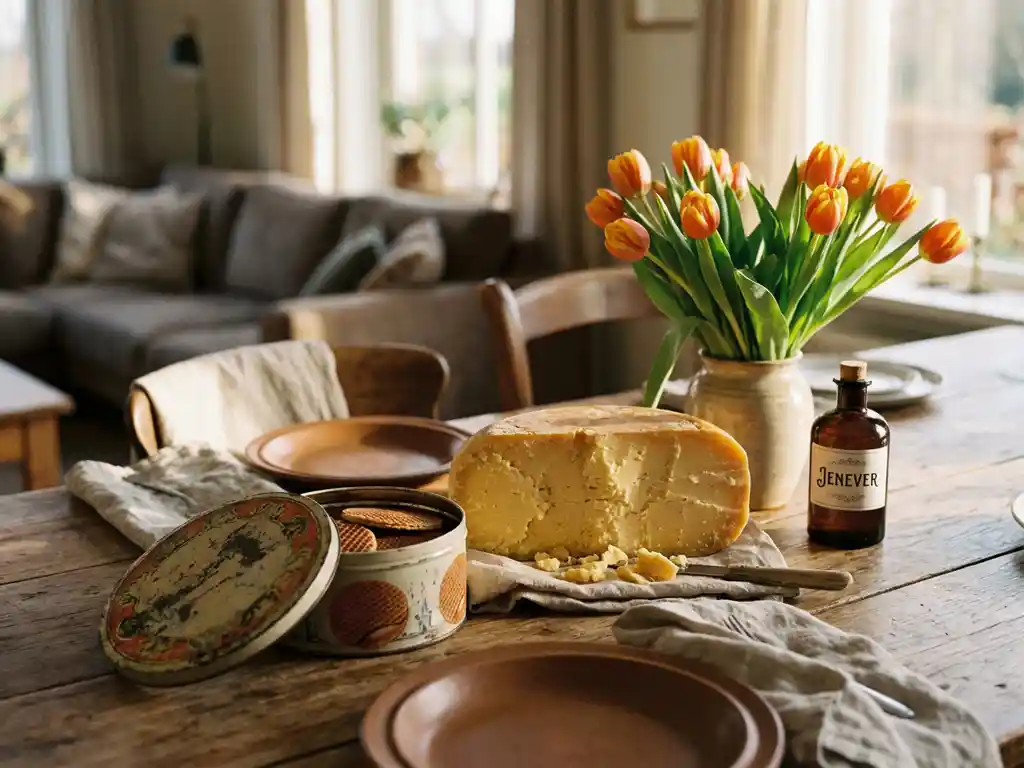
The best gifts for building social connections in the Netherlands are ones that open the door to shared experiences. Think about gifts that invite conversation or create a moment together, such as a bottle of local Dutch gin (jenever), stroopwafels from a specialty shop, or a voucher for an activity you could enjoy together.
Integrating into Dutch social life takes time, and small gestures go a long way. Bringing something from your home country is also a wonderful icebreaker. Dutch people are genuinely curious about other cultures, and sharing a taste of where you come from can spark real friendships. The key is showing up with warmth and openness, and letting the social connections grow naturally from there.
How Dutch on Track Helps You Feel at Home in the Netherlands
Understanding gift-giving customs is just one piece of the puzzle when it comes to truly settling in the Netherlands. Language is the deeper key. When you can chat with your Dutch neighbors, joke with colleagues, or follow along at a birthday party, everything changes. That sense of belonging you are looking for becomes much more within reach.
At Dutch on Track, we believe learning Dutch should be fun, social, and genuinely useful for your daily life. Our courses are designed specifically for expats and internationals, and the small-group format of 8 to 10 students means you will meet like-minded people who are on the same journey as you. Many of our students find that the classroom itself becomes a place to make real friends.
- Small groups of 8 to 10 students create a relaxed, social atmosphere where friendships form naturally
- Our communicative approach means you speak Dutch from day one, building confidence fast
- Lessons connect directly to real life in the Netherlands, from social situations to workplace conversations
- Evening classes after work (17:45 to 19:45) fit around your schedule in Eindhoven and Tilburg
If you are ready to take the next step in your expat life in the Netherlands, we would love to meet you. Schedule a free meeting with Dutch on Track and find out how our Beginner Dutch Course can help you go from feeling like an outsider to feeling truly at home.
Frequently Asked Questions
How much should I typically spend on a gift for a Dutch person?
There is no strict rule, but a general guideline for a birthday or housewarming gift is somewhere between €10 and €30, depending on how well you know the person. For closer friends or more significant occasions, you can spend a little more, but remember that the Dutch value thoughtfulness over price tags. When in doubt, err on the side of modest and meaningful rather than impressive and expensive.
Is it okay to give money as a gift in the Netherlands?
Giving money is generally acceptable in the Netherlands, particularly for milestone occasions like graduations, weddings, or a child’s birthday. It is often practical and appreciated, especially when the recipient is saving for something specific. That said, for casual social occasions like a neighbor’s birthday or a housewarming, a physical gift tends to feel more personal and is usually the better choice.
Should I bring a gift when invited to a Dutch person's home for dinner?
Yes, bringing a small gift when invited to someone’s home for dinner is a thoughtful and well-received gesture in the Netherlands. A bottle of wine, a box of good chocolates, or a bunch of fresh flowers are all classic and appropriate choices. You do not need to go overboard — the gesture itself signals appreciation for the invitation and respect for your host.
What is the etiquette around congratulating people at a Dutch birthday party?
At a Dutch birthday party, it is customary to congratulate not only the birthday person but also their family members and close friends who are present — you are essentially celebrating the occasion on their behalf too. A simple ‘Gefeliciteerd!’ (Congratulations!) to each person in the room is both expected and appreciated. As an expat, making this effort — even in basic Dutch — will genuinely impress your hosts and go a long way toward building rapport.
What if I accidentally give a gift that turns out to be culturally inappropriate?
Do not panic — Dutch people are generally understanding and will not hold an honest cultural misstep against you. If you realize the mistake, a lighthearted acknowledgment (‘I have since learned that chrysanthemums are for funerals — I am so sorry!’) is far better than pretending nothing happened. The Dutch respect directness, so owning the mistake with humor and sincerity will usually turn an awkward moment into a memorable, friendly one.
Are there any gift-giving differences I should know about for professional or workplace settings in the Netherlands?
In Dutch workplace culture, gift-giving is generally more restrained than in personal settings. Small tokens like stroopwafels, good coffee, or a shared treat for the team are common and well-received. Avoid giving personal or expensive gifts to individual colleagues, as this can create discomfort or perceptions of favoritism. If you are leaving a job or wrapping up a project, a group gift or a contribution to a shared experience (like a team lunch) is a safe and appreciated approach.
Can bringing a gift from my home country help me connect with Dutch people?
Absolutely — this is one of the best gifts you can give as an expat. Dutch people are genuinely curious about other cultures and tend to love trying foods, drinks, or specialties from around the world. A jar of local honey, a regional sweet, or a bottle of something traditional from your home country is a wonderful conversation starter and a natural way to share a piece of yourself. It signals openness and warmth, which are qualities that go a long way in building real friendships in the Netherlands.