What is considered rude in the Netherlands?
Moving to the Netherlands as an expat is an exciting adventure, but navigating Dutch social culture can feel like learning a second language in itself. Many internationals arrive expecting familiar social norms, only to find themselves wondering whether they have accidentally offended someone or misread a perfectly normal interaction. Understanding what is considered rude in the Netherlands, and what simply reflects Dutch directness, is one of the most useful things you can do when settling in the Netherlands.
The good news is that most Dutch social rules are consistent and, once you understand the reasoning behind them, surprisingly easy to follow. This guide answers the most common questions expats ask about Dutch etiquette, so you can feel confident and comfortable in your new home.
Why are Dutch people so direct, and is it rude?
Dutch directness is not rudeness. In the Netherlands, saying exactly what you mean is a sign of respect and honesty. Dutch culture places enormous value on equality and authenticity, which means that sugarcoating opinions or giving vague answers is actually considered less respectful than a frank, clear response. Directness is a cultural feature, not a personal attack.
For many expats from cultures where indirect communication is the norm, this bluntness can feel jarring at first. A Dutch colleague who tells you that your idea needs work is not trying to embarrass you. They genuinely believe that honest feedback helps you improve. Once you reframe directness as a form of trust rather than criticism, expat life in the Netherlands starts to feel a lot more comfortable.
That said, there is a difference between directness and deliberate unkindness. Dutch people are direct, but they are rarely cruel. If something feels genuinely hostile rather than simply blunt, that distinction matters.
What social behaviors are seen as rude in the Netherlands?
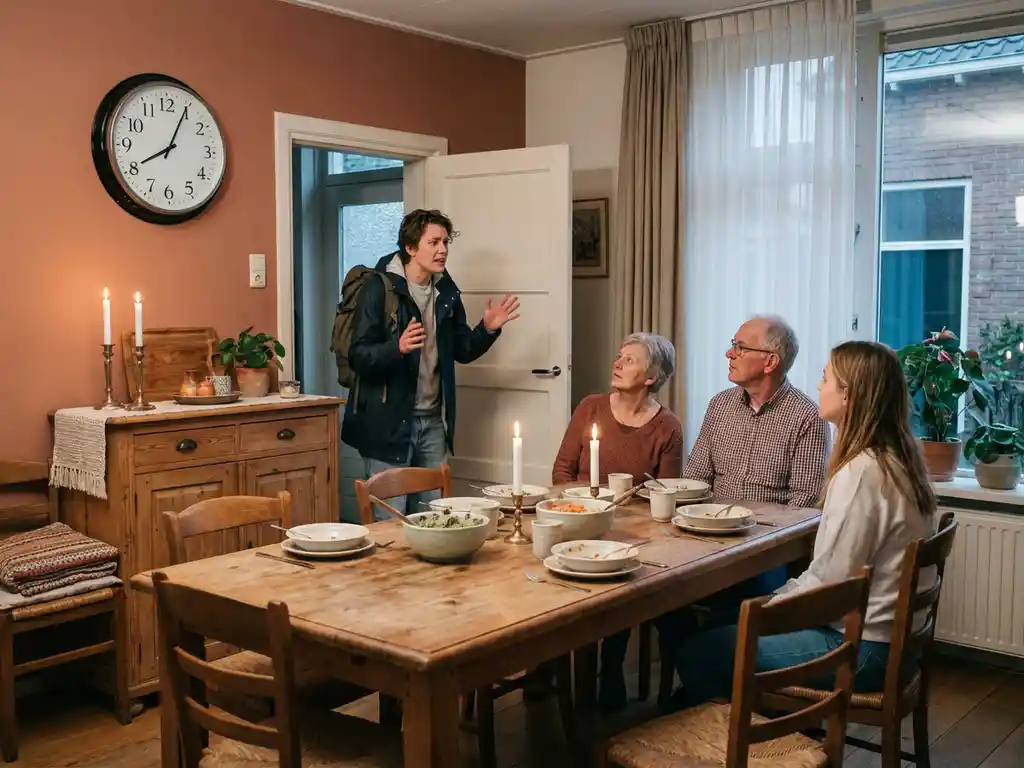
Several specific behaviors are considered genuinely rude in the Netherlands, even if they are perfectly acceptable in other cultures. Being late without notice, not splitting bills fairly, and showing off wealth or status are all viewed negatively. Arriving uninvited at someone’s home, even for a casual drop-in, is also considered inappropriate.
Here are behaviors that Dutch people commonly find disrespectful:
- Being consistently late to appointments or meetings without communicating in advance
- Avoiding eye contact during conversations, which can come across as dishonest or disinterested
- Interrupting someone mid-sentence, especially in group discussions
- Expecting others to pay for you without reciprocating
One area that surprises many expats is the Dutch attitude toward personal space and planning. Dutch social life is highly structured, and most people schedule visits and get-togethers well in advance. Showing up unannounced, even with good intentions, can genuinely unsettle people. When living in the Netherlands as an expat, embracing the calendar culture early on makes a real difference.
What topics should you avoid in Dutch conversations?
The Dutch are generally open to discussing a wide range of topics, but certain subjects can create friction in casual conversation. Asking someone directly about their salary, making assumptions about someone’s background based on appearance, or being overly boastful about personal achievements are all likely to make Dutch people uncomfortable.
Religion and politics can be discussed, but the Dutch tend to approach these topics with nuance and expect the same in return. Sweeping generalizations or strong ideological statements without room for dialogue can come across as arrogant rather than confident. The Dutch value debate, but they expect it to be balanced and respectful.
One subtle point worth noting: complimenting someone excessively or in an over-the-top way can sound insincere to Dutch ears. A genuine, specific compliment lands far better than enthusiastic flattery.
How do Dutch workplace norms differ from other cultures?
Dutch workplace culture is notably flat and egalitarian. Titles and hierarchies carry less weight than in many other countries, and employees at all levels are expected to contribute opinions, question decisions, and speak up in meetings. Deferring to authority without adding your own perspective can actually be seen as a lack of engagement.
For expats used to more hierarchical environments, this can feel disorienting. In a Dutch workplace, your manager may sit in an open-plan office alongside the rest of the team, and disagreeing with them in a meeting is not only acceptable but often encouraged. The expectation is that the best idea wins, regardless of who suggests it.
Punctuality is taken seriously in professional settings. Arriving late to a meeting without prior notice is one of the clearest ways to signal disrespect in a Dutch workplace. Similarly, long lunches or extended small talk before getting to the point of a meeting can be seen as inefficient and inconsiderate of other people’s time.
How can you avoid accidentally offending Dutch people?
Avoiding accidental offense in the Netherlands comes down to a few consistent principles: be honest, be punctual, be direct, and respect other people’s time and personal boundaries. You do not need to adopt an entirely new personality. You simply need to understand which of your existing habits may land differently in this cultural context.
Practical steps that help expats navigate Dutch social norms include:
- Always confirm plans in advance rather than assuming flexibility
- Match the directness of those around you rather than over-explaining or softening every opinion
- Learn a few words of Dutch, even if your conversations stay in English
- Ask questions when you are unsure rather than guessing at social expectations
That last point is particularly valuable. Dutch people genuinely appreciate curiosity about their culture. Asking about norms and customs is not seen as ignorant. It is seen as engaged and respectful. The effort to understand, even when you get things wrong, goes a long way in building real connections with Dutch colleagues and neighbors.
How Dutch on Track helps with living in the Netherlands as an expat
Understanding Dutch culture and settling in the Netherlands becomes so much easier when you are learning the language alongside people who are going through the same experience. At Dutch on Track, we offer more than grammar and vocabulary. Our courses are designed to help you build real confidence in everyday Dutch situations, from workplace conversations to social encounters in your neighborhood.
Here is what makes learning Dutch with us genuinely useful for cultural integration:
- Small groups of 8 to 10 students mean you practice speaking from day one in a relaxed, supportive environment
- Our blended learning method combines online preparation with interactive classroom sessions, so lessons reflect real Dutch life
- Classes are held after work hours in central locations in Eindhoven and Tilburg, making it easy to fit into your routine
Beyond the language itself, our classes are genuinely fun. They are a great way to meet other internationals, share your experiences of Dutch culture, and laugh together about the moments that confused you. Many of our students find that their classmates become some of their closest friends in the Netherlands, which makes the whole experience of expat life in the Netherlands feel far less isolating.
If you are ready to feel more at home in the Netherlands, start with our Beginner Dutch Course or schedule a free meeting with Dutch on Track to find the right course for your level and goals.
Frequently Asked Questions
How long does it typically take to feel socially comfortable in the Netherlands as an expat?
Most expats find that the adjustment period lasts anywhere from three to six months, though this varies depending on how actively you engage with Dutch culture and language. The biggest turning point tends to come when you stop interpreting Dutch directness as unfriendliness and start recognizing it as a sign of respect. Getting involved in structured social activities, such as a language course, a sports club, or a neighborhood group, can significantly speed up the process by giving you regular, low-pressure opportunities to practice Dutch social norms.
Is it considered rude to speak English instead of Dutch in the Netherlands?
Not at all, especially in larger cities and international workplaces where English is widely spoken and expected. However, making a genuine effort to learn even basic Dutch phrases, such as greetings, thank-yous, and simple requests, is warmly appreciated and signals that you respect the local culture. Dutch people are generally very accommodating with English speakers, but they do notice and value the effort, even if they immediately switch back to English to help you out.
What is the best way to make Dutch friends as an expat, given how structured their social lives are?
The key is to work with the Dutch calendar culture rather than against it. Rather than waiting for spontaneous social opportunities, be proactive about suggesting specific plans with a date and time attached. Joining clubs, classes, or community groups is one of the most effective strategies because it creates built-in, recurring social contact without the pressure of cold introductions. Dutch friendships tend to develop slowly and steadily, so consistency and patience matter far more than grand social gestures.
How should I handle a situation where I have accidentally offended a Dutch person?
The most effective approach is also the most Dutch one: address it directly and honestly. A simple, sincere acknowledgment, such as explaining that you were not aware of the cultural norm and that you did not intend any disrespect, is far more effective than over-apologizing or avoiding the topic. Dutch people tend to respect self-awareness and straightforwardness, so a calm, honest conversation will usually resolve the misunderstanding quickly and may even strengthen the relationship.
Are there regional differences in Dutch social etiquette within the Netherlands?
Yes, there are some noticeable regional differences worth being aware of. The Randstad area, which includes Amsterdam, Rotterdam, and The Hague, tends to be more cosmopolitan and fast-paced, while cities in the south like Eindhoven and Tilburg, which fall within the Noord-Brabant province, are often described as warmer, more sociable, and slightly more relaxed in their interpersonal style. In the south, small talk and community spirit play a bigger role in daily interactions, so expats settling in those areas may find social connections form a little more naturally than they expected.
What common mistakes do expats make when first navigating Dutch workplace culture?
One of the most frequent mistakes is staying silent in meetings out of politeness or deference to seniority, which in a Dutch context can read as disengagement or a lack of confidence rather than respect. Another common misstep is over-softening feedback or being vague to avoid conflict, which can frustrate Dutch colleagues who prefer clarity and efficiency. The best approach is to contribute your genuine opinions directly and concisely, and to treat meetings as collaborative problem-solving sessions rather than formal presentations of authority.
Does learning Dutch actually help with cultural integration, or is English sufficient for daily life?
While English is genuinely sufficient for most practical daily tasks in the Netherlands, learning Dutch makes a significant difference to your sense of belonging and the depth of connections you can build. Language carries culture, and understanding Dutch allows you to pick up on humor, nuance, and social cues that simply do not translate. Even reaching a conversational level opens doors to interactions, friendships, and professional opportunities that remain harder to access when you are operating entirely in English.