What is the cost of renting an apartment in the Netherlands?
Finding a place to live is one of the first big challenges when you arrive in the Netherlands as an expat. Whether you are relocating to a major city or a smaller regional hub, understanding the rental market is essential to settling in smoothly and avoiding unpleasant financial surprises. This guide answers the most common questions about renting in the Netherlands so you can approach your housing search with confidence.
Expat life in the Netherlands comes with a steep learning curve, and housing is often the steepest part. Prices vary significantly by region, hidden costs add up quickly, and competition for good properties is fierce. Read on for clear, practical answers to the questions you are most likely to have about renting as an expat in the Netherlands.
What is the average cost of renting an apartment in the Netherlands?
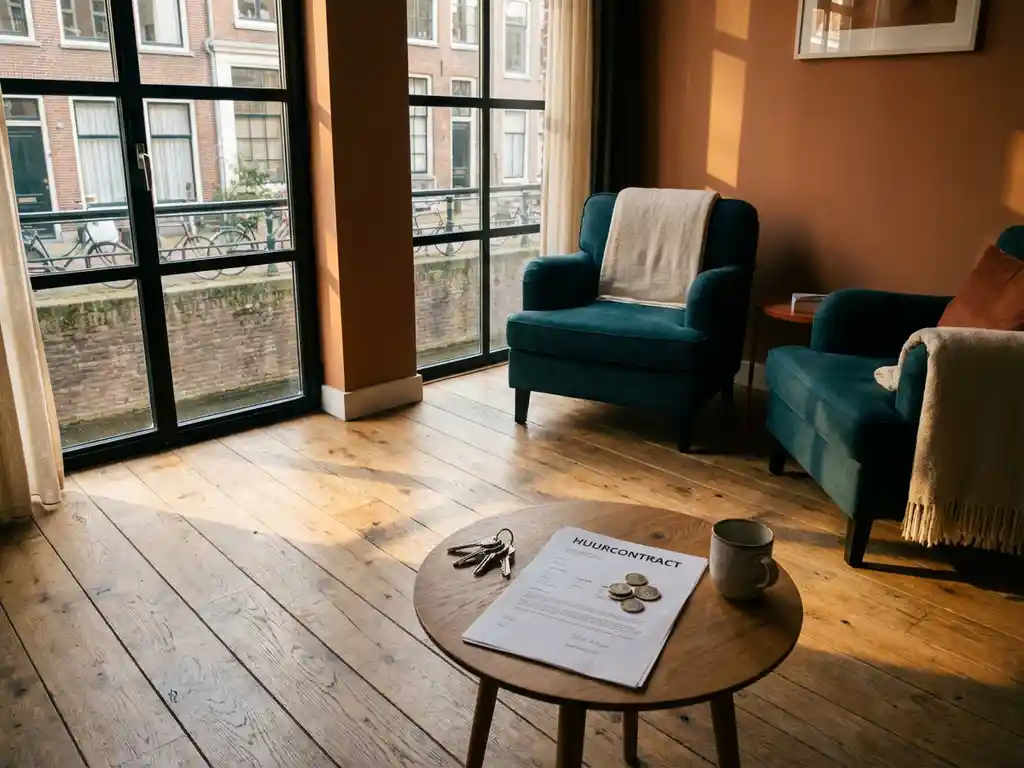
The average cost of renting an apartment in the Netherlands ranges from roughly €1,200 to €2,500 per month for a furnished or semi-furnished property in the private rental sector, depending on location, size, and condition. In major cities, prices sit at the higher end of that range, while smaller cities and towns offer more affordable options for expats on a budget.
It is important to distinguish between social housing and the private rental sector. Social housing in the Netherlands is heavily subsidised, but waiting lists can stretch for years and it is generally not accessible to newly arrived internationals. Most expats rent on the free market, also called the vrije sector, where prices are set by landlords without a government cap. A studio apartment in a competitive urban area can easily exceed €1,400 per month, while a two-bedroom apartment for a couple or a family typically starts at around €1,600 to €1,900.
Keep in mind that the Dutch rental market moves fast. Properties are often listed and snapped up within days, so being financially prepared and having your documents ready makes a real difference when you are settling in the Netherlands.
How much does renting in Eindhoven or Tilburg cost compared to Amsterdam?
Renting in Eindhoven or Tilburg is significantly more affordable than renting in Amsterdam. A two-bedroom apartment in Amsterdam can cost €2,200 or more per month, while comparable properties in Eindhoven or Tilburg typically range from €1,200 to €1,700 per month. For expats living in the Netherlands on a moderate budget, the southern cities offer considerably better value.
Eindhoven is one of the fastest-growing tech and design hubs in Europe, home to companies like ASML and Philips, which means demand for rental housing has grown. Still, prices remain noticeably lower than in Amsterdam or Utrecht. Tilburg, a vibrant university city with a strong creative scene, is similarly accessible and increasingly popular among internationals looking for a genuine Dutch community experience without the capital-city price tag.
Beyond cost, both Eindhoven and Tilburg offer excellent public transport connections, international schools, and a welcoming expat community. For many internationals, the lower housing costs also free up budget for language courses, social activities, and cultural experiences that make expat life in the Netherlands genuinely enjoyable.
What extra costs should you expect when renting in the Netherlands?
When renting in the Netherlands, expect to pay additional costs on top of your monthly rent, including a security deposit of one to two months’ rent, a service charge for shared building costs, and utility bills for gas, water, and electricity. Estate agent fees, if applicable, can add another month’s rent to your initial outlay.
Here is a quick overview of the most common extra costs:
- Security deposit: Usually one to two months’ rent, paid upfront and returned at the end of your tenancy if the property is left in good condition.
- Service costs (servicekosten): A monthly charge covering shared facilities such as cleaning, maintenance, and sometimes internet or heating.
- Utilities: Gas, electricity, and water are typically not included in the rent and can add €150 to €300 per month, depending on usage and property size.
- Municipal taxes (gemeentelijke belastingen): Residents pay local taxes covering waste collection and water board charges, usually billed annually.
Some furnished apartments include basic furniture but not appliances, so always clarify exactly what is included before signing. Reading your rental contract carefully, ideally with someone who understands Dutch, helps you avoid misunderstandings later. This is one area where building language skills genuinely pays off in daily life.
What are the different types of rental properties available in the Netherlands?
Rental properties in the Netherlands fall into several categories: apartments (appartementen), terraced houses (rijtjeshuizen), detached or semi-detached houses, and studio flats. Properties can be rented furnished, semi-furnished, or unfurnished, and this distinction significantly affects both the price and what you need to bring or buy when you arrive.
Furnished versus unfurnished
Furnished properties include furniture, white goods, and often kitchen equipment, making them popular with expats on short-term contracts. Unfurnished properties, which are common in the Dutch market, often come with bare floors and no light fittings, meaning you will need to invest in the basics from the start. Semi-furnished properties typically include kitchen appliances and sometimes flooring, but little else.
Social housing versus private rental
As mentioned earlier, social housing is generally not accessible to newly arrived expats due to long waiting lists and income or residency requirements. The private rental market, particularly the mid-range and higher segments, is where most internationals living in the Netherlands will find their home. Platforms such as Funda, Pararius, and Kamernet are the most widely used for searching available properties.
How do you find an apartment to rent as an expat in the Netherlands?
Finding an apartment as an expat in the Netherlands typically involves using online rental platforms, working with a local estate agent (makelaar), or tapping into expat community networks and Facebook groups. Acting quickly and having all your documents prepared in advance is essential, as good properties receive multiple applications within hours of being listed.
Documents landlords commonly request include proof of income or an employment contract, a copy of your passport or residence permit, a recent bank statement, and sometimes a reference from a previous landlord. Having these ready in a digital folder saves time when you find a property you like.
Community networks are underrated when it comes to finding housing. Many expats find their first apartment through colleagues, local Facebook groups, or expat forums. This is also where language skills start to matter. Being able to communicate in Dutch, even at a basic level, can set you apart from other applicants and open doors that are simply closed to those who rely entirely on English. Joining a Beginner Dutch Course early in your relocation journey is not just about language learning; it is also a genuinely fun way to meet other internationals who are navigating the same challenges.
Why is it so hard to find affordable housing in the Netherlands?
Finding affordable housing in the Netherlands is difficult primarily because demand far exceeds supply in the private rental market. Decades of underinvestment in new housing construction, combined with a growing population and increasing numbers of international workers and students, have created a severe shortage of available properties at reasonable prices.
The Dutch government has introduced measures to address the housing crisis, including rent controls for mid-range properties and restrictions on short-term holiday lets in major cities. However, these changes take time to filter through the market, and the immediate reality for most expats is a competitive, fast-moving rental environment where well-priced properties disappear quickly.
Location flexibility helps. Expats who are willing to live in Eindhoven, Tilburg, or other regional cities rather than Amsterdam or Rotterdam often find the process significantly less stressful and prices far more manageable. Building a local network also helps, since many rental opportunities never make it onto public listing platforms at all.
How Dutch on Track Helps You Feel at Home in the Netherlands
Settling into a new country is about much more than finding an apartment. It is about feeling confident enough to talk to your landlord, understand your rental contract, navigate local bureaucracy, and build real friendships with the people around you. That is exactly where Dutch on Track comes in.
We offer Dutch language courses specifically designed for expats and internationals in Eindhoven and Tilburg. Our approach is practical, social, and genuinely enjoyable. Here is what makes learning Dutch with us different:
- Small groups of 8 to 10 students create a warm, supportive environment where you learn alongside people who are going through the same experience as you.
- A communicative method means you start speaking from day one, building the confidence to handle real-life situations such as renting an apartment or chatting with neighbours.
- Evening classes after work fit around your schedule, so learning Dutch does not have to compete with your professional life.
Beyond the language itself, our courses are a brilliant way to make friends, connect with your local community, and truly feel at home in the Netherlands. Many of our students tell us that the friendships they build in class are among the most meaningful they make during their time here. Whether you are brand new to the country or have been here for a while and want to finally take the plunge, we would love to welcome you. Schedule a free meeting with Dutch on Track today and take the first step towards feeling truly settled in the Netherlands.
Frequently Asked Questions
Can I rent an apartment in the Netherlands without a Dutch bank account or BSN number?
It is possible to start your apartment search before you have a BSN (Burger Service Nummer) or a Dutch bank account, but most landlords and agencies will require both before signing a lease. Some international-friendly landlords or relocation agencies may accept foreign bank statements and a signed employment contract as interim proof of financial stability. Getting your BSN registered at the local municipality (gemeente) as early as possible should be one of your first priorities upon arrival, as it unlocks access to banking, healthcare, and housing.
What should I watch out for when signing a Dutch rental contract?
Pay close attention to the notice period (opzegtermijn), which is typically one to three months, as well as any clauses about rent indexation, which allows landlords to increase rent annually in line with inflation. Always verify what is and is not included in the service costs (servicekosten), and make sure the deposit terms and conditions for its return are clearly stated. If the contract is in Dutch, do not sign anything you do not fully understand — use a translation tool, ask a Dutch-speaking colleague, or consult a tenant rights organisation such as the Huurcommissie.
Are there any tenant rights protections I should know about as an expat renter?
Yes — Dutch tenant law is relatively strong and applies to all renters regardless of nationality. The Huurcommissie (Rent Tribunal) is a government body that mediates disputes between tenants and landlords over issues such as excessive service costs, deposit disputes, or maintenance failures. If you are renting in the vrije sector (private market), your protections are somewhat more limited than in social housing, but you still have legal recourse if a landlord acts unlawfully. Familiarising yourself with the basics of Dutch tenant rights early on can save you significant stress later.
How far in advance should I start looking for housing before relocating to the Netherlands?
Ideally, begin your search at least two to three months before your planned arrival date, especially if you are targeting cities like Amsterdam or Utrecht where competition is fiercest. For cities like Eindhoven or Tilburg, a six-to-eight week lead time is usually sufficient, though the market can move quickly there too. In the meantime, budget for short-term accommodation such as a serviced apartment or an Airbnb for the first few weeks, as this gives you time to view properties in person rather than committing to a lease sight unseen.
Is it worth using a relocation agency or expat housing service, and what do they typically cost?
A relocation agency can be genuinely valuable if you are arriving from abroad and cannot easily attend viewings in person, or if your employer is covering relocation costs. These agencies handle property searches, viewings, contract negotiations, and sometimes even registration at the gemeente on your behalf. Costs vary widely — some charge a flat fee of €500 to €1,500, while others charge a percentage of the annual rent — so always clarify the fee structure upfront. Check whether your employer offers a relocation allowance, as many international companies in the Netherlands include this as part of their expat packages.
Will speaking Dutch actually make a difference when competing for a rental property?
More than most expats expect — yes. When a landlord or property manager receives multiple applications for the same property, being able to communicate directly in Dutch, even at a basic level, signals commitment to integrating into the community and can genuinely tip the decision in your favour. Beyond the application stage, Dutch skills help you negotiate lease terms, report maintenance issues clearly, and build a positive relationship with your landlord over time. Even completing an A1 beginner course before or shortly after arriving gives you a meaningful practical advantage in the rental market.
What happens to my deposit at the end of my tenancy, and how do I make sure I get it back?
Your deposit should be returned within a reasonable period after the tenancy ends — typically within two to four weeks — provided the property is returned in the same condition as when you moved in, accounting for normal wear and tear. To protect yourself, always conduct a detailed move-in inspection (opleveringsrapport) with your landlord and document the condition of the property with dated photos before you unpack. Repeat this process at move-out and request a signed inspection report. If a landlord withholds your deposit unfairly, you can file a complaint with the Huurcommissie or seek advice from a local legal aid service.
Related Articles
- Are evening Dutch classes in Helmond suitable for busy professionals?
- Should you choose an intensive or weekly Dutch course in Eindhoven?
- Is it hard to make Dutch friends as an expat in the Netherlands?
- What is the Dutch healthcare deductible and how does it work?
- How does learning Dutch change your social life in the Netherlands?