What is the Dutch attitude towards money?
The Dutch have a reputation that precedes them when it comes to money. Whether you have heard about “going Dutch” or noticed your colleagues bringing their own lunch every day, the financial culture in the Netherlands can feel surprisingly different from what many expats are used to. Understanding this mindset is one of the most practical steps you can take when settling in the Netherlands and building genuine connections with locals.
For anyone navigating expat life in the Netherlands, money habits and attitudes are not just a curiosity—they shape everyday interactions, from how you split a dinner bill to whether it is appropriate to ask someone what they earn. This guide answers the most common questions expats have about Dutch money culture, so you can feel more at home and less caught off guard.
Why are Dutch people considered so frugal?
Dutch people are considered frugal because thriftiness is deeply embedded in the national culture, rooted in centuries of trade history, Calvinist values, and a strong belief that spending more than necessary is simply wasteful. It is not about being cheap; it is about being practical, self-reliant, and avoiding unnecessary displays of wealth.
The Netherlands built its prosperity through careful resource management and merchant trade. That historical context created a cultural norm in which financial prudence is seen as a virtue rather than a limitation. Showing off wealth is generally frowned upon, and the Dutch tend to treat extravagance with mild suspicion. A neighbor driving a modest car while owning a beautiful home is perfectly normal. The idea is to spend where it matters and save where it does not.
This mindset also connects to a broader sense of equality. The Dutch are uncomfortable with visible class distinctions, and excessive spending can feel like you are trying to elevate yourself above others. Understanding this helps explain many behaviors that initially confuse people who are living in the Netherlands as an expat.
How do Dutch people handle splitting bills and paying for others?
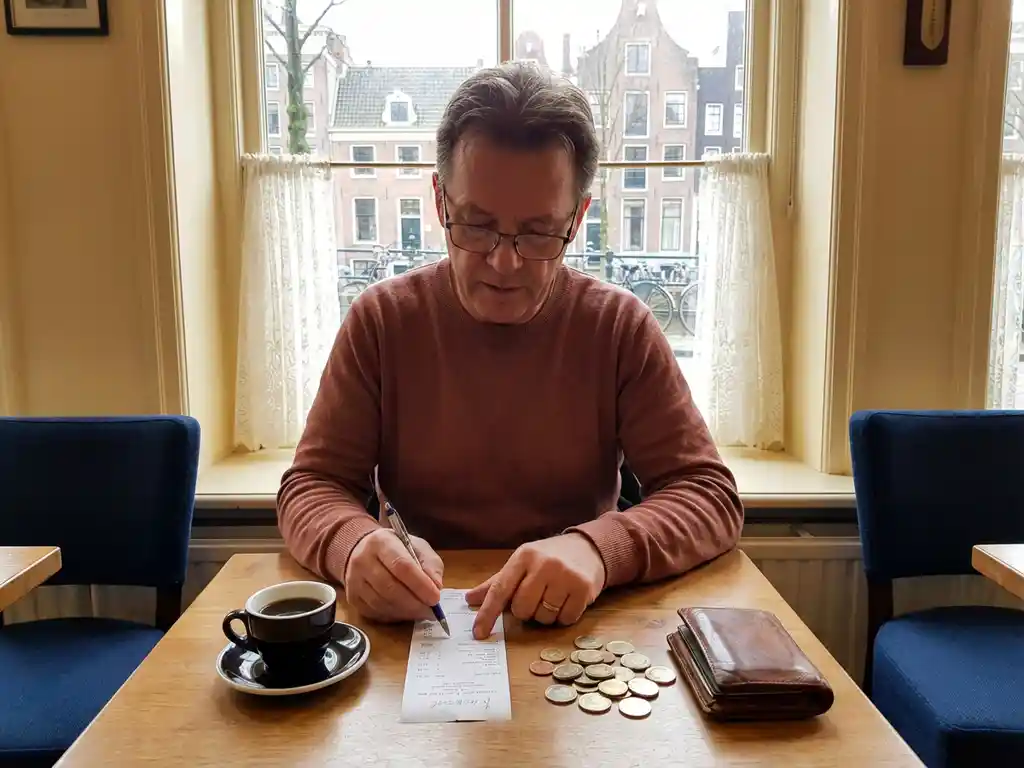
Dutch people almost always split bills equally or pay only for their own share. The phrase “going Dutch” exists for a reason. In the Netherlands, it is completely normal and expected that everyone pays for themselves, whether at a restaurant, a birthday outing, or a work lunch. Waiting for someone else to cover the bill can create genuine awkwardness.
This applies even in social settings that might feel informal. Friends going for drinks will often keep track of who ordered what, or simply divide the total evenly. It is not considered impolite. In fact, offering to pay for everyone can sometimes feel patronizing or create an uncomfortable sense of obligation.
There are exceptions. Close friends or couples may treat each other, and parents typically pay for their children. But as a general rule, do not assume someone will cover you, and do not feel offended when they do not. Embracing this habit makes social outings much more relaxed once you understand the logic behind it.
Is it rude to talk about money in the Netherlands?
Talking about money in the Netherlands is more socially acceptable than in many other countries, but context matters. Dutch people are generally direct and pragmatic, so discussing prices, salaries, or financial decisions is not automatically taboo. However, boasting about wealth or asking intrusive questions about someone’s personal finances can still feel inappropriate.
For example, asking a colleague what they earn might come up in a straightforward conversation without much drama, especially if it relates to negotiating your own salary. Discussing the cost of your rent, mortgage, or a recent purchase is fairly normal. What the Dutch tend to avoid is using money as a status symbol or making financial comparisons that imply hierarchy.
For expats, this directness around money can feel refreshing or blunt, depending on where you come from. Either way, it is useful to know that bringing up prices or financial logistics in a practical conversation is unlikely to offend anyone.
How does Dutch money culture affect daily life as an expat?
Dutch money culture affects daily life as an expat in concrete, practical ways. You will notice it when colleagues suggest brown-bag lunches instead of going out, when friends expect you to transfer your share of a bill via Tikkie (a popular Dutch payment app), or when you realize that gift-giving norms are more modest than you might expect.
A few areas where this shows up most clearly:
- Social outings often involve Tikkie payment requests shortly after the event, even for small amounts.
- Workplace lunches tend to be simple and brought from home rather than bought at a restaurant.
- Gifts are thoughtful but rarely extravagant, and overspending on a gift can make the recipient uncomfortable.
- Discount shopping, second-hand markets, and bulk buying are genuinely popular across all income levels.
For expats used to more generous or spontaneous spending cultures, this can take some adjustment. But once you understand that frugality is a shared value rather than a personal slight, it becomes much easier to navigate social situations with confidence.
What money habits can expats adopt to fit in better in the Netherlands?
Expats can fit in better financially by embracing a few key habits: always be prepared to pay your own way, download Tikkie to make splitting easy, avoid flashy displays of spending, and treat thriftiness as a sign of intelligence rather than a limitation. These small shifts go a long way in social integration.
Practically speaking, bringing your own lunch to work, shopping in places like the Albert Heijn Bonus section, and being comfortable discussing prices without embarrassment will help you feel more like a local. You do not need to radically change your lifestyle; you just need to understand the values underneath the habits.
Beyond the practical side, adapting to Dutch money culture is also a way to connect more authentically with the people around you. When you show that you understand and respect local norms, conversations flow more naturally and friendships form more easily. That social dimension is often underestimated by expats who focus only on language or bureaucracy when settling in the Netherlands.
How Dutch on Track helps you feel at home in the Netherlands
Understanding Dutch money culture is just one piece of the puzzle when it comes to truly feeling at home in the Netherlands. Language is another. When you can speak Dutch, even at a basic level, you pick up on cultural nuances, humor, and social cues that simply do not translate. That is exactly what we help with at Dutch on Track.
We offer Dutch language courses specifically designed for expats and internationals in Eindhoven and Tilburg. Our approach is practical, social, and genuinely fun. Here is what makes our courses different:
- Small groups of 8 to 10 students, so you can practice speaking in a relaxed, supportive environment.
- A communicative method in which you speak Dutch from day one, building real confidence quickly.
- Lessons after work hours (17:45 to 19:45) at central locations, making it easy to fit into your schedule.
Beyond the language itself, our courses are a genuinely easy and enjoyable way to meet other internationals who are going through the same experience as you. Many of our students become friends, explore the Netherlands together, and support each other through the ups and downs of expat life. Learning Dutch with Dutch on Track is not just about grammar; it is about building a life here.
Ready to take the first step? Schedule a free meeting with us and find out which course fits your level and goals. Or explore our Beginner Dutch Course if you are just starting out. We would love to help you feel confident, connected, and truly at home in the Netherlands.
Frequently Asked Questions
What is Tikkie and how do I set it up as an expat in the Netherlands?
Tikkie is a free Dutch payment request app linked to your Dutch bank account, widely used to request money from friends, colleagues, or anyone you have split a cost with. To set it up, download the app, connect it to a Dutch bank account (such as ING, ABN AMRO, or Rabobank), and you can immediately send and receive payment requests via a simple link. Getting comfortable with Tikkie early on is one of the most practical things you can do as a new expat, since receiving a Tikkie request after a group outing is completely standard and carries no social awkwardness whatsoever.
Will Dutch people think less of me if I spend more freely than they do?
Not necessarily, but visible displays of wealth or extravagance can make some Dutch people uncomfortable or come across as showing off, which goes against the cultural grain. The Dutch value equality and tend to be mildly suspicious of those who seem to be elevating themselves through spending. The key is not to match every Dutch habit exactly, but to be mindful of the context — for example, avoid making grand gestures that put others in an awkward position, and don’t make a point of spending lavishly in group settings where others are being more modest.
Are there situations in the Netherlands where it IS expected to treat someone or pay for others?
Yes, there are a few well-established exceptions to the u0022pay for yourselfu0022 norm. When it is your birthday, it is actually a Dutch tradition for the birthday person to bring cake or treats to the office and cover costs at a celebration — the reverse of what many expats expect. Parents paying for their children and partners treating each other are also perfectly normal. Additionally, if you invite someone to dinner at your home, you are of course the host and expected to provide, but in a restaurant setting, splitting remains the default unless you have explicitly offered to treat.
How do Dutch salary and negotiation norms differ from what expats might be used to?
The Dutch tend to be more open about discussing salaries than many other cultures, particularly in the context of fairness and knowing your worth in the job market. It is not uncommon for colleagues to share salary information, and this transparency is partly driven by a cultural emphasis on equality in the workplace. When it comes to negotiation, Dutch employers generally respect a direct, well-reasoned ask — come prepared with market data and a clear rationale rather than relying on charm or vague leverage, as the Dutch respond much better to practical arguments than to emotional ones.
I come from a culture where generosity with money is a sign of respect. How do I navigate that in the Netherlands without offending anyone?
This is one of the most common adjustment challenges for expats, and the good news is that the Dutch are generally understanding once they know your background. You can absolutely be generous — just do it in ways that feel natural rather than performative. Bringing homemade food to share, offering to pick something up when you are already going to the shop, or treating a close friend on a special occasion are all warmly received. What tends to land awkwardly is insisting on paying for everyone in a group setting, as it can create a sense of obligation or imbalance that the Dutch find uncomfortable.
Does Dutch frugality apply to housing and rent too, or mainly to everyday spending?
Dutch frugality applies across the board, but housing is an interesting exception — the Dutch do invest meaningfully in their homes and take great pride in a well-kept, comfortable living space, which is why the interior of a modest-looking Dutch house can sometimes surprise you. Where frugality shows up most in housing is in avoiding unnecessary upgrades, being practical about location versus cost trade-offs, and not over-extending financially just for status. In cities like Amsterdam, Eindhoven, and Tilburg, rents are high by necessity, but you will rarely find Dutch people bragging about how expensive their apartment is — it is simply not considered something to show off.
How can learning Dutch help me better understand and navigate the local money culture?
Language and culture are deeply intertwined, and speaking Dutch gives you access to the humor, idioms, and everyday conversations where cultural norms around money are actually expressed. Phrases, jokes, and off-hand comments about finances that locals make naturally are often lost in translation, and understanding them helps you read social situations much more accurately. Beyond comprehension, speaking Dutch signals to locals that you are genuinely investing in life here — which tends to open doors to more authentic friendships and, by extension, a much smoother experience navigating all aspects of Dutch culture, including its financial norms.