Can retired US citizens live in the Netherlands?
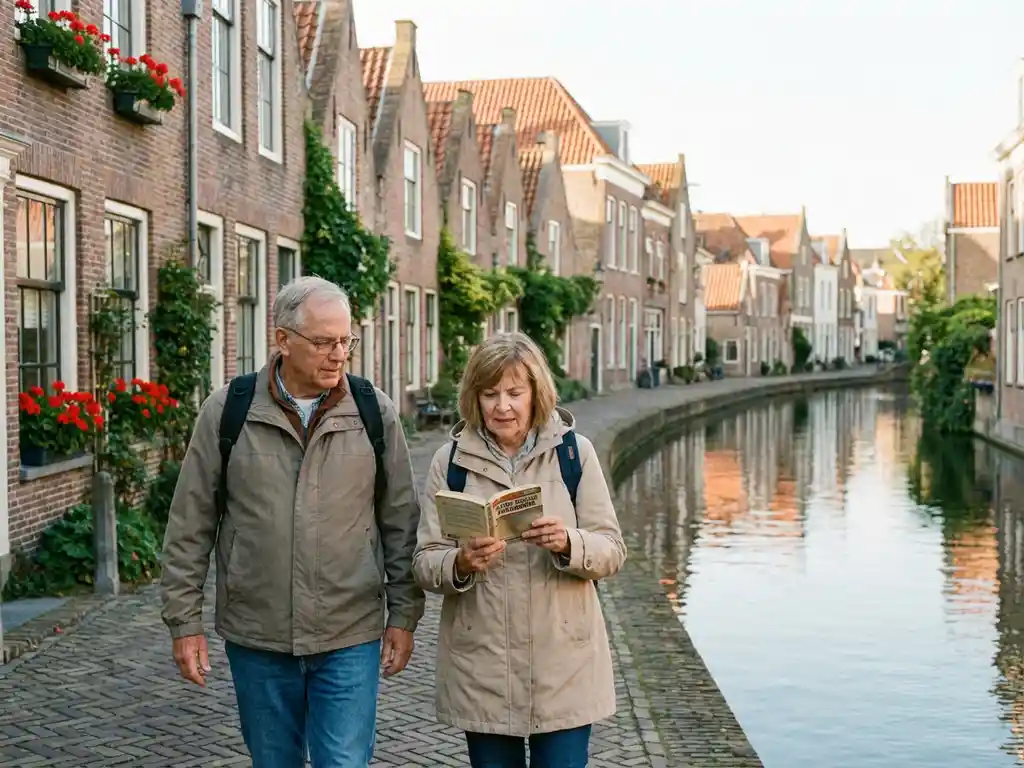
Retirement is no longer confined to your home country, and more Americans are looking beyond their borders for their next chapter. The Netherlands, with its high quality of life, excellent healthcare, vibrant cities, and famously bike-friendly streets, has become an increasingly attractive destination for retired U.S. citizens who want something a little different. But moving abroad in retirement comes with real questions, and getting clear answers before you pack your bags makes all the difference.
Whether you are drawn to charming canal towns, the international atmosphere of cities like Eindhoven and Tilburg, or simply the adventure of expat life in the Netherlands, this guide walks you through everything you need to know about settling in the Netherlands as a retired American.
Can retired U.S. citizens legally live in the Netherlands?
Yes, retired U.S. citizens can legally live in the Netherlands, but they cannot simply move there without taking formal steps. As non-EU citizens, Americans do not have the automatic right to reside in the Netherlands long-term. You will need to apply for the appropriate residence permit before or shortly after arriving, and you must meet specific financial and administrative requirements to qualify.
The good news is that the Netherlands has a clear legal pathway for people who want to settle there without working. The Dutch immigration system, managed by the IND (Immigratie- en Naturalisatiedienst), does accommodate retirees and people of independent means. As long as you can demonstrate sufficient financial resources and meet the relevant conditions, living in the Netherlands as an expat is entirely achievable.
What visa or permit do U.S. retirees need to stay long-term?
U.S. retirees who want to stay in the Netherlands for longer than 90 days need a residence permit for non-EU nationals. The most relevant category is the residence permit for people with sufficient means of existence, sometimes referred to as a “non-activity” permit. This allows you to live in the Netherlands without working, provided you can prove a stable income or substantial savings.
The process typically involves applying for a long-stay visa (MVV) at the Dutch consulate in the United States before you travel. Once in the Netherlands, you then apply for a residence permit through the IND. You will also need to register with your local municipality (gemeente) and obtain a BSN (citizen service number), which is essential for accessing healthcare, banking, and most public services.
Because immigration rules can change and individual circumstances vary, working with an immigration lawyer or official Dutch immigration advisers is strongly recommended before starting your application.
How much money do you need to retire in the Netherlands?
The Dutch government requires retirees applying for a residence permit to demonstrate a net income or savings that meet a defined minimum threshold, which is updated periodically. Beyond the legal minimum, the actual cost of living comfortably in the Netherlands depends heavily on your lifestyle and location.
Generally speaking, the Netherlands is a moderately expensive country by European standards. Key costs to factor in include:
- Rent or a mortgage, which varies significantly between cities and smaller towns
- Health insurance, which is mandatory and must be arranged privately for non-EU residents
- Daily living costs, including groceries, transport, and utilities
- Language courses and cultural integration activities
Cities like Eindhoven and Tilburg tend to be more affordable than Amsterdam, making them popular choices for expats who want a high quality of life without the premium price tag of the Randstad region. Many retired Americans find that a combination of Social Security income, pension payments, and savings can support a comfortable lifestyle, particularly in these southern Dutch cities.
What are the biggest challenges U.S. retirees face in the Netherlands?
The biggest challenges for retired Americans settling in the Netherlands tend to be bureaucratic complexity, cultural adjustment, and language barriers. Navigating Dutch administrative systems, from healthcare registration to tax obligations, can feel overwhelming without prior experience with European bureaucracy. The U.S. and the Netherlands do have a tax treaty, but you will still need to understand your obligations in both countries.
Culturally, the Dutch are known for their directness, which can initially feel blunt or even unfriendly to Americans accustomed to different social norms. Building genuine friendships with locals takes time and patience. Many expats also find that without a workplace to anchor their social life, isolation can creep in more quickly than expected during retirement abroad.
The climate is another factor worth acknowledging honestly. The Netherlands is grey and rainy for much of the year, and the flat landscape, while perfect for cycling, lacks the dramatic scenery some retirees seek. That said, the country’s central location in Europe means weekend trips to warmer or more scenic destinations are very easy to arrange.
Do U.S. retirees need to learn Dutch to live in the Netherlands?
Strictly speaking, you can get by day to day in the Netherlands without speaking Dutch, particularly in urban areas where English is widely spoken. However, learning Dutch makes a significant difference to your quality of life, your ability to integrate socially, and your sense of independence and belonging in your new home country.
Practically, Dutch is essential for understanding official letters, navigating government websites, and communicating in situations where English is not assumed, such as with older residents, local tradespeople, or in smaller towns. More importantly, making the effort to learn the language signals genuine respect for Dutch culture and opens doors to friendships and community connections that simply are not available to those who remain in an English-speaking bubble.
Learning Dutch is also, genuinely, a lot of fun. Taking a structured language course puts you in a room with other internationals who are on the same journey, which is one of the easiest and most natural ways to build a social circle when you are new to a country.
How can retired Americans build a social life in the Netherlands?
Building a social life as a retired expat in the Netherlands takes intentional effort, but the country offers plenty of opportunities once you know where to look. Expat communities are active in cities like Eindhoven and Tilburg, and international clubs, sports associations, volunteer organisations, and cultural groups all provide entry points into local social life.
The most effective strategy, however, is to combine expat social circles with genuine engagement in Dutch community life. Joining a local sports club, attending neighbourhood events, or taking part in Dutch cultural traditions helps you move beyond the expat bubble and form real connections with the country you now call home. Language skills accelerate this process enormously.
Many retirees find that taking a Dutch language course becomes one of their most socially rewarding decisions. In a small-group setting, you learn alongside other internationals who share your experience of navigating a new culture, and those shared experiences naturally turn into friendships. It is one of the few activities that simultaneously builds your language skills, your cultural understanding, and your social network all at once.
How Dutch on Track Helps You Settle into Life in the Netherlands
Dutch on Track is our specialised Dutch language programme designed specifically for expats, internationals, and their partners in Eindhoven and Tilburg. We know that learning a language as an adult in a new country is about much more than grammar; it is about feeling at home, making connections, and building the confidence to live your life fully in Dutch.
Here is what makes learning with us genuinely enjoyable and effective:
- Small groups of 8 to 10 students create a warm, supportive atmosphere where making mistakes feels safe and even fun
- Our communicative approach means you speak Dutch from day one, building real confidence rather than just textbook knowledge
- Lessons are practical and grounded in everyday Dutch life, so what you learn on Tuesday you can use on Wednesday
- You meet other internationals who are on the same journey, making the classroom a natural starting point for friendships
We offer courses from complete beginner (A0) all the way to intermediate (B1) level, including our flagship Beginner Dutch Course for those just starting out. Our classes run after work hours and are located in the heart of both cities, making them easy to fit into your new retired life in the Netherlands. If you are ready to take the first step toward feeling truly at home in the Netherlands, schedule a free meeting with Dutch on Track today and let us show you how we can help.
Frequently Asked Questions
Can I still collect my U.S. Social Security payments while living in the Netherlands?
Yes, U.S. citizens living abroad can generally continue to receive Social Security payments, and the Netherlands is not on the list of countries where Social Security payments are restricted. You will need to keep the Social Security Administration informed of your foreign address and may need to periodically confirm your eligibility. Because the U.S. and the Netherlands have a tax treaty, your benefits are unlikely to be taxed twice, but consulting a cross-border tax adviser familiar with both U.S. and Dutch tax law is strongly recommended to understand your specific situation.
How does healthcare work for retired Americans living in the Netherlands?
As a non-EU resident, you are not automatically eligible for the Dutch public healthcare system (Zorgverzekeringswet), so you will need to arrange private international health insurance that meets Dutch residency requirements. Once you have been granted a residence permit and registered with your municipality, your eligibility for certain Dutch healthcare provisions may change, so it is worth revisiting your insurance arrangements at each stage of the process. Many expats use international health insurance providers that offer comprehensive coverage across Europe, and your insurer should be able to confirm whether their policy satisfies Dutch immigration requirements.
What is the best way to handle my U.S. taxes after moving to the Netherlands?
U.S. citizens are required to file U.S. federal tax returns regardless of where they live in the world, which means retiring in the Netherlands does not eliminate your American tax obligations. The good news is that the U.S.-Netherlands tax treaty helps prevent double taxation on most types of income, including pensions and Social Security. You should work with a tax professional who specialises in U.S. expat taxation, as the rules around foreign income exclusions, foreign tax credits, and FBAR (Foreign Bank Account Reporting) requirements are complex and the penalties for non-compliance can be significant.
How long does it take to get permanent residency or citizenship in the Netherlands?
After holding a valid Dutch residence permit for five consecutive years, you may be eligible to apply for a permanent residence permit (verblijfsvergunning voor onbepaalde tijd), which offers much greater security and fewer administrative renewals. Dutch citizenship through naturalisation is also possible after five years of legal residence, provided you meet additional requirements including passing a civic integration exam (inburgering) and demonstrating sufficient Dutch language proficiency. Starting your language learning early with a structured course like those offered by Dutch on Track will put you in a strong position to meet the language requirements well before the five-year mark.
Is it better to rent or buy property in the Netherlands as a retired expat?
Most expats, including retirees, are advised to rent for at least the first year while they get to know the country, the local housing market, and which city or neighbourhood suits them best. Buying property in the Netherlands as a non-EU citizen is legally possible but can be more complicated, particularly when it comes to securing a Dutch mortgage without a local income or employment history. Renting first also gives you flexibility if your circumstances change or if you decide a different region of the Netherlands suits your lifestyle better than your original choice.
What common mistakes should I avoid when planning my retirement move to the Netherlands?
One of the most common mistakes is underestimating the lead time required for Dutch immigration paperwork — the MVV and residence permit process can take several months, so starting early is essential. Many retirees also arrive without a clear plan for healthcare coverage, only to discover gaps in their insurance that create complications with their residency application. Finally, planning only to socialise within the English-speaking expat community is a mistake that many retirees later regret; investing in Dutch language learning from the very start pays dividends socially, practically, and emotionally throughout your retirement.
Do I need to pass a Dutch integration exam (inburgering) as a retired American?
The civic integration requirement (inburgeringsplicht) in the Netherlands typically applies to certain categories of newcomers, and whether it applies to you depends on your specific residence permit type and individual circumstances. Even if you are not legally required to complete the formal inburgering programme, voluntarily working toward Dutch language proficiency is highly beneficial for daily life, community integration, and any future applications for permanent residency or citizenship. A structured Dutch language course is the most effective and enjoyable way to build that foundation, regardless of whether it is a formal requirement for your situation.