How do Dutch people celebrate Christmas?
Christmas in the Netherlands might look familiar at first glance, but spend your first December here as an expat and you’ll quickly notice it has its own distinct rhythm, traditions, and social energy. Whether you’re curious about what to expect at a Dutch colleague’s holiday dinner or simply want to feel more at home during the festive season, understanding how the Dutch celebrate Christmas is a meaningful step toward settling in the Netherlands with confidence.
Living in the Netherlands as an expat means navigating a calendar full of cultural moments that can either feel isolating or wonderfully connecting, depending on how prepared you are. This guide answers the most common questions expats have about Dutch Christmas traditions, so you can step into the season feeling informed, included, and genuinely excited.
What is Christmas called in the Netherlands?
In the Netherlands, Christmas is called Kerst or, more formally, Kerstmis. The Dutch celebrate Christmas over two days: Eerste Kerstdag (First Christmas Day) on December 25 and Tweede Kerstdag (Second Christmas Day) on December 26. Both days are official public holidays, which means most shops, offices, and services are closed.
The two-day structure is important to understand when you’re settling in the Netherlands, because social plans, family gatherings, and even supermarket opening hours are shaped around both days. Knowing this small but significant detail helps you plan ahead and avoid the surprise of finding your local Albert Heijn closed when you need last-minute ingredients.
How do Dutch people actually celebrate Christmas?
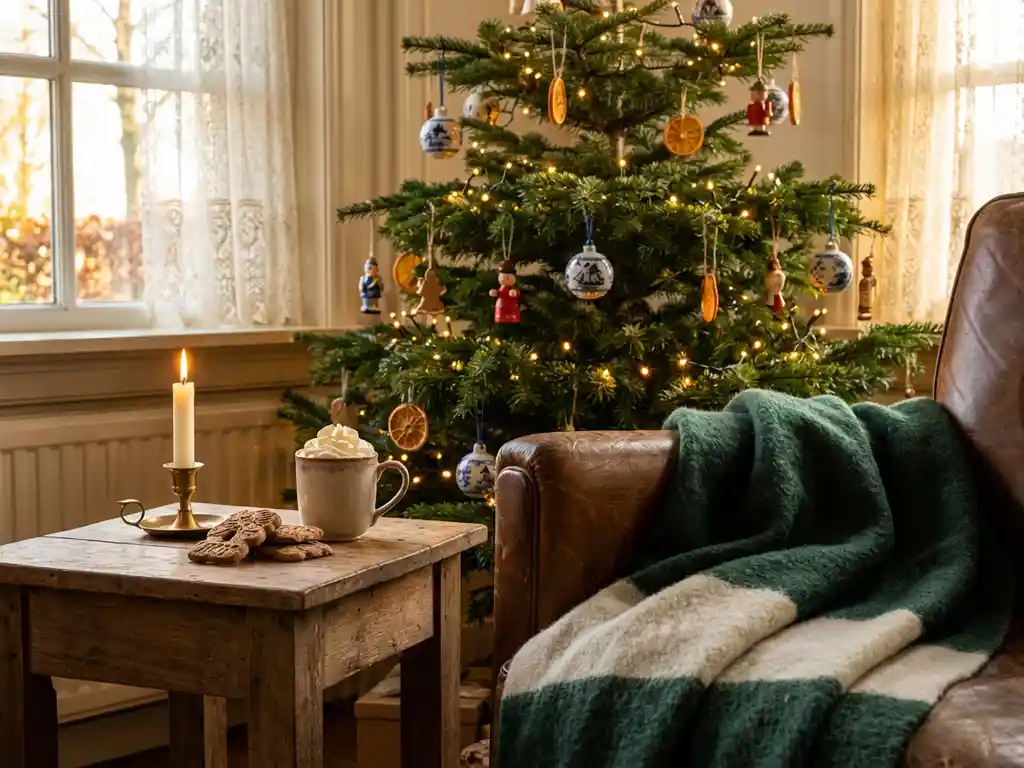
Dutch people celebrate Christmas primarily as a family occasion centered on togetherness, a long shared meal, and relaxed time at home. Unlike in some other European countries, where Christmas involves large public celebrations or elaborate church processions, the Dutch version of Kerst is notably intimate and home-focused. Decorations go up in late November or December, and homes are filled with candles, Christmas trees, and warm lighting.
First Christmas Day is typically reserved for immediate family, while Second Christmas Day often involves visiting extended family, catching up with friends, or attending a concert or cultural event. Many Dutch cities also organize winter markets and light installations throughout December, giving expats plenty of opportunities to soak up the festive atmosphere beyond their own front door.
What do Dutch people eat for Christmas dinner?
The centerpiece of Dutch Christmas celebrations is a long, indulgent dinner shared with family. A popular tradition is gourmetten, a tabletop grilling experience where everyone cooks their own small portions of meat, vegetables, and other ingredients on a shared electric grill at the table. It is communal, relaxed, and can last for hours, which makes it a genuinely social way to spend the evening.
Other common Christmas dinner options include roast beef, venison, or salmon, often served with elaborate side dishes. Desserts frequently feature kerststol, a spiced fruit bread with marzipan that is also widely enjoyed throughout December. For expats experiencing their first Dutch Christmas, being invited to a gourmetten dinner is a wonderful sign of inclusion and a great opportunity to connect with Dutch friends or colleagues in a relaxed setting.
What’s the difference between Sinterklaas and Christmas in the Netherlands?
Sinterklaas and Christmas are two entirely separate celebrations in the Netherlands, and understanding the distinction is essential for anyone living in the Netherlands as an expat. Sinterklaas is celebrated on the evening of December 5 (Pakjesavond) and is the primary gift-giving holiday for Dutch families, especially those with children. Christmas, by contrast, is focused on family togetherness, food, and atmosphere rather than presents.
Many expats are surprised to discover that Dutch children receive most of their gifts from Sinterklaas, not from Christmas. The two celebrations have entirely different characters:
- Sinterklaas involves poems, surprise gifts, and the figure of Sint Nicolaas arriving by steamboat from Spain.
- Kerst is quieter, more reflective, and centered on shared meals and family time.
This distinction also explains why Dutch shops and households may seem less commercially focused on Christmas gift-giving compared to countries like the UK or the US. Adjusting your expectations helps you appreciate Dutch Christmas for what it genuinely is rather than what it is not.
How do expats experience Christmas in the Netherlands?
For many expats, the first Christmas in the Netherlands can feel both charming and a little lonely. The holiday is so family-oriented that those without local connections may find December quieter and more isolating than expected. At the same time, expats who have built a social network in the Netherlands often describe Dutch Christmas as wonderfully cozy and genuine.
The Dutch concept of gezelligheid, which roughly translates to coziness or a warm sense of togetherness, is at its peak during the winter months. Expat communities in cities like Eindhoven and Tilburg often organize their own Christmas gatherings, dinners, and events that blend multiple cultural traditions into something new and inclusive. The key to a fulfilling festive season as an expat is having people to share it with, and that comes down to the social connections you build throughout the year.
How can learning Dutch help you enjoy Christmas more in the Netherlands?
Learning Dutch transforms the Christmas season from something you observe from the outside into something you genuinely participate in. When you can read a Dutch Christmas card, follow a conversation at a family dinner, or understand the lyrics of a Dutch holiday song, you move from being a guest in the culture to being part of it. Language is the bridge between knowing about Dutch traditions and actually living them.
Even a basic level of Dutch opens doors during the festive season. You can chat with neighbors about their holiday plans, navigate a winter market with ease, or simply feel more comfortable when Dutch colleagues talk about their Kerst traditions at the office. For expats focused on settling in the Netherlands long term, language skills are one of the most practical investments you can make in your own sense of belonging.
Speaking Dutch also signals genuine effort and respect to the Dutch people around you, which tends to be warmly received. The Dutch are famously direct, and they genuinely appreciate it when internationals make the effort to engage with their language and culture, especially during meaningful moments like the holidays.
How Dutch on Track Helps You Feel at Home During the Festive Season
At Dutch on Track, we know that language learning is about so much more than grammar and vocabulary. It is about feeling confident, connected, and genuinely part of life in the Netherlands, including during the moments that matter most, like Christmas. Our Dutch language courses are designed specifically for expats and internationals in Eindhoven and Tilburg, and they combine practical language skills with real cultural understanding.
Here is what makes learning Dutch with us a genuinely enjoyable experience:
- Small groups of 8 to 10 students mean you build real friendships alongside real language skills.
- Our communicative approach means you speak from day one, so confidence grows fast.
- Classes take place after work hours, fitting around your professional life.
- Our certified teachers specialize in Dutch as a Second Language for highly educated internationals.
Whether you are just arriving or have been here a while and want to deepen your connection to Dutch life, we would love to help you take the next step. Schedule a free meeting with us to find the right course for you, or explore our Beginner Dutch Course if you are starting from scratch. This coming Christmas season could be the one when you finally feel truly at home in the Netherlands.
Frequently Asked Questions
Is it rude to decline a Dutch colleague's Christmas dinner invitation?
Not at all, but honesty and timeliness are appreciated. The Dutch value directness, so simply letting your colleague know early and with a genuine reason is perfectly acceptable. If you do accept, be prepared for a relaxed, long evening — Dutch Christmas dinners, especially gourmetten, are not quick affairs, and leaving early may feel abrupt to your hosts.
What should I bring as a gift if I'm invited to a Dutch home for Christmas?
Since gift-giving is not the main focus of Dutch Christmas, a bottle of wine, a box of chocolates, or a bouquet of flowers is a thoughtful and appropriate gesture. You don’t need to bring something elaborate — the Dutch tend to appreciate sincerity over extravagance. Wrapping it neatly shows care, but an over-the-top presentation may feel out of place with the understated tone of Kerst.
What can I do if I don't have family nearby and want to avoid spending Christmas alone in the Netherlands?
Start by checking expat community groups in your city — platforms like Meetup, Internations, and local Facebook expat groups frequently organize Christmas dinners and events specifically for internationals without family nearby. Many churches, community centers, and even language schools also host inclusive holiday gatherings. Proactively reaching out to colleagues, neighbors, or classmates before mid-December dramatically increases your chances of having plans, as Dutch social calendars fill up quickly.
Are shops and restaurants open during the Dutch Christmas holidays?
Most shops, supermarkets, and government services are closed on both December 25 and December 26, so planning your grocery shopping in advance is strongly recommended. Restaurants and some tourist-area shops may open on Second Christmas Day, but availability varies by city and venue. It’s worth checking your local favorites ahead of time, and stocking up on essentials before December 24 to avoid being caught off guard.
How early should I start learning Dutch if I want to feel comfortable during the Christmas season?
Even two to three months of consistent Dutch lessons before December can give you enough conversational basics to navigate holiday small talk, read Christmas cards, and follow along at a dinner table. Starting in September or October with a structured beginner course is ideal for expats with a December goal in mind. The festive season provides natural, low-pressure opportunities to practice, making it one of the most motivating times of year to put new language skills to use.
Are there any Dutch Christmas customs or phrases I should know to avoid an awkward moment?
A few go a long way. Wishing someone u0022Prettige Kerstdagenu0022 (Merry Christmas) or u0022Fijne feestdagenu0022 (Happy Holidays) is always warmly received. It’s also worth knowing that Dutch people typically open presents during Sinterklaas on December 5, so don’t be surprised if there’s no gift exchange at a Christmas gathering. Commenting positively on the food — especially the gourmetten spread — is a reliable way to connect and show appreciation for the effort your hosts have made.
What's the best way to blend my own cultural Christmas traditions with Dutch ones as an expat?
Many expats find that hosting their own Christmas gathering — combining dishes or customs from their home country with Dutch elements like kerststol or candlelit décor — creates a meaningful and memorable experience for everyone involved. Dutch people are generally curious and open to other cultures, so sharing your own traditions is usually met with genuine interest rather than resistance. Treating the holidays as a cultural exchange rather than a choice between u0022homeu0022 and u0022hereu0022 is one of the most fulfilling approaches to expat life during the festive season.