Do Dutch people drink a lot of coffee?
If you have spent any time living in the Netherlands as an expat, you have almost certainly noticed that the Dutch take their coffee very seriously. It shows up at work meetings, at kitchen tables, after dinner, and even as a reason to invite someone over. For anyone who is new to the country and trying to understand local culture, coffee is genuinely one of the most useful social tools you have access to.
Understanding the role of coffee in Dutch daily life is not just a fun piece of trivia. It is a window into how Dutch people build relationships, structure their day, and welcome others into their world. Whether you are settling in the Netherlands and looking for ways to connect, or simply curious about what makes Dutch culture tick, this guide will answer your most pressing coffee-related questions.
Do Dutch people actually drink a lot of coffee?
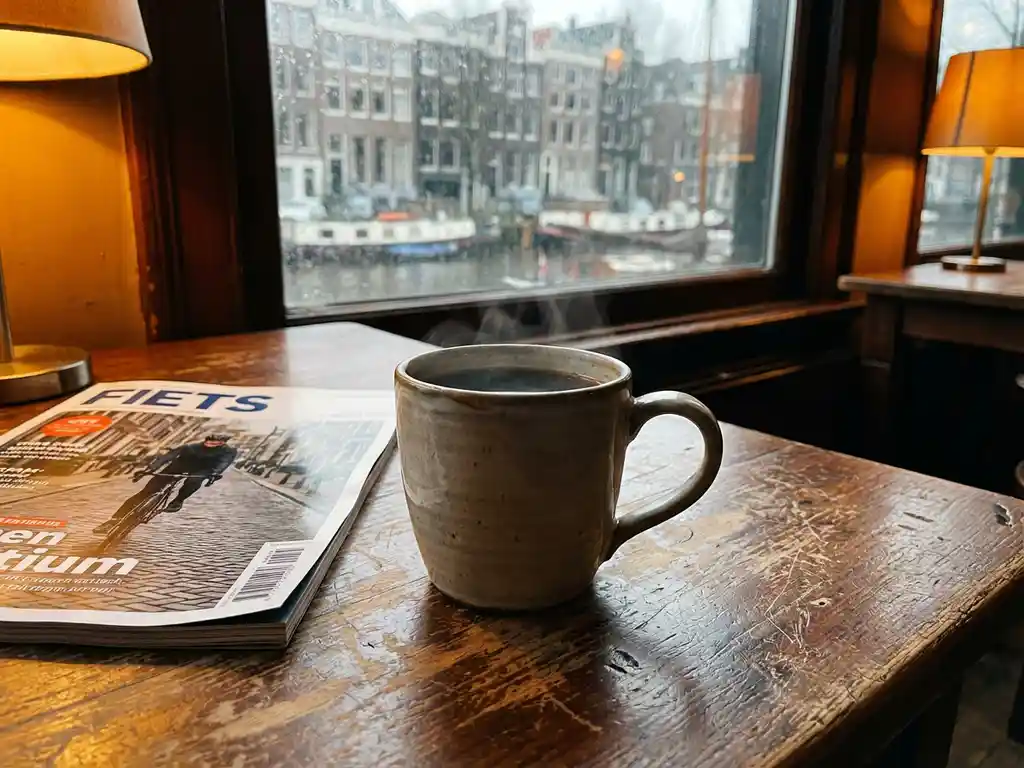
Yes, the Dutch are among the highest coffee consumers in the world. The Netherlands consistently ranks near the top globally for per-capita coffee consumption, with most Dutch adults drinking multiple cups throughout the day. Coffee is not just a morning habit here. It is woven into the rhythm of daily life from early morning until well into the evening.
This is not simply about caffeine. Coffee in the Netherlands functions as a social anchor. It marks transitions in the day, signals hospitality, and creates natural moments for conversation. When a Dutch person offers you coffee, they are often signaling that they are open to spending time with you, which makes it a surprisingly powerful social gesture in a culture that can otherwise feel reserved at first.
Why is coffee such a big part of Dutch culture?
Coffee became central to Dutch culture partly because of history. The Netherlands was one of the earliest European nations to trade coffee on a large scale, establishing plantations in its colonies centuries ago. That long relationship with coffee shaped a national culture in which drinking it became a deeply embedded daily ritual rather than just a preference.
Beyond history, coffee fits naturally with core Dutch values. The Dutch appreciate efficiency, directness, and structured social time. A cup of coffee provides a defined, manageable moment of connection without the open-ended commitment of a full meal or a longer social event. It is a practical form of hospitality, which suits the Dutch character well. For expats navigating expat life in the Netherlands, recognizing this cultural logic makes it much easier to understand social invitations and workplace dynamics.
What is ‘koffietijd’ and how does it work in the Netherlands?
Koffietijd, which translates literally as “coffee time,” is a designated break during the Dutch workday, typically around 10:00 in the morning, when colleagues gather to drink coffee together. It is a structured social pause that most Dutch workplaces observe, and participation is generally expected rather than optional.
For newcomers, koffietijd can feel surprisingly formal in its informality. There is often a rotation for who brings cake or biscuits on special occasions such as birthdays. Missing koffietijd regularly without a reason can signal to colleagues that you are not interested in being part of the team. Understanding this unwritten rule is one of the small but meaningful steps toward feeling genuinely included in a Dutch workplace. The same principle extends to home visits, where offering coffee to a guest is one of the first things a Dutch host will do.
What kind of coffee do Dutch people prefer to drink?
Dutch people traditionally prefer strong, black filter coffee served in small cups, often accompanied by a single koekje (biscuit or cookie). Unlike the Italian espresso culture or the British preference for milky coffee, the Dutch style is straightforward and unfussy. The coffee is brewed simply and served without much ceremony.
That said, coffee culture in the Netherlands has evolved considerably in recent years. Specialty coffee shops, third-wave roasters, and artisan cafés have become popular in cities like Eindhoven and Tilburg. Younger Dutch people and internationals have embraced flat whites, pour-overs, and cold brew alongside the traditional filter coffee. So while the classic black cup remains the default, you will find a wide range of options depending on where you are and who you are with.
How can coffee help expats connect with Dutch people?
Coffee is one of the easiest and most natural entry points for building relationships with Dutch people. Inviting a neighbor, colleague, or acquaintance for coffee is low-stakes, time-limited, and completely normal in Dutch social culture. It requires very little Dutch language skill to initiate, and it creates a relaxed environment where conversation can happen naturally.
Here are a few practical ways to use coffee as a social bridge when you are new to the Netherlands:
- Accept every coffee invitation you receive at work, even if it feels small or informal.
- Invite a neighbor or new acquaintance over for coffee rather than a full dinner, which feels less pressured for both sides.
- Visit local cafés regularly and become a familiar face, which opens doors to casual conversation over time.
- Bring something to share during koffietijd at work, especially on your birthday, as this is a well-loved Dutch tradition.
The key insight is that Dutch people often build friendships slowly and through repeated, low-intensity contact rather than through grand gestures. Coffee provides exactly that kind of repeated, comfortable touchpoint. Once you understand this, expat life in the Netherlands starts to feel much more socially navigable.
How Dutch on Track Helps You Feel at Home in the Netherlands
Understanding Dutch coffee culture is a great start, but real connection with Dutch people becomes so much easier when you can actually speak the language. That is where Dutch on Track comes in. We offer Dutch language courses specifically designed for expats, internationals, and their partners who are settling in the Netherlands and want to feel genuinely part of their new community.
Our approach goes beyond grammar and vocabulary. We focus on the kind of practical, everyday Dutch that helps you navigate real situations, whether that is joining koffietijd at work, chatting with your neighbors, or simply feeling confident enough to speak up. Our courses are:
- Taught in small groups of 8 to 10 people, so you build friendships with fellow internationals while you learn.
- Structured around real-life situations in the Netherlands, making every lesson immediately useful.
- Available from absolute beginner (A0) to intermediate (B1) level, including our popular Beginner Dutch Course for those just starting out.
Learning Dutch with us is not just about language. It is a fun, social experience where you meet people who are going through the same journey as you. Many of our students find that the friendships they make in class become some of their closest connections in the Netherlands. If you are ready to take that step, schedule a free meeting with Dutch on Track and find out which course is the right fit for you.
Frequently Asked Questions
Is it considered rude to decline a coffee invitation from a Dutch person?
Declining occasionally is generally fine, especially if you have a clear reason, but regularly turning down coffee invitations — particularly at work — can unintentionally signal disinterest or aloofness. If you do not drink coffee, asking for tea or another alternative is completely acceptable and will not cause offence. The important thing is to show up and participate in the social moment, not necessarily to drink the coffee itself.
What should I bring when invited to a Dutch person's home for coffee?
A small box of quality biscuits, stroopwafels, or a simple cake is a thoughtful and culturally appropriate gesture. Dutch hospitality around coffee is warm but unfussy, so you do not need to bring anything elaborate. Showing up on time matters more than the gift itself, as punctuality is genuinely valued in Dutch social culture.
How do I initiate a coffee invitation in Dutch if my language skills are still basic?
A simple phrase like ‘Wil je een keer koffie drinken?’ (Would you like to grab a coffee sometime?) is all you need to get started, and most Dutch people will appreciate the effort regardless of your accent or grammar. You can also use English without embarrassment, as the Dutch are widely fluent and will not think less of you for it. The gesture of reaching out matters far more than the language you use to do it.
Are there any coffee-related customs or mistakes that expats commonly get wrong?
One of the most common missteps is lingering too long after the coffee is finished. In Dutch culture, a coffee visit often has an implicit end point, and when the cups are cleared, it can be a subtle cue that the visit is wrapping up. Another thing to be aware of is that Dutch hosts typically serve one cup and may not automatically offer a refill — if you would like more, it is perfectly fine to ask. Finally, forgetting to bring something to share on your birthday during koffietijd at work is a small but noticeable oversight, as this tradition is taken quite seriously.
Does coffee culture differ much between Dutch cities and smaller towns or rural areas?
The core social role of coffee remains consistent across the Netherlands, but the style and setting can vary. In larger cities like Amsterdam, Rotterdam, or Eindhoven, you will find a thriving specialty coffee scene with third-wave cafés and a more international coffee vocabulary. In smaller towns and rural areas, traditional filter coffee at home or in a local café is still the clear norm. As an expat, adapting to the local coffee style of your specific area is a small but genuine way to show cultural awareness.
Can learning Dutch really make a difference in how connected I feel socially?
Absolutely — even a basic level of Dutch significantly changes how Dutch people respond to you in everyday situations. While most Dutch people speak excellent English, making the effort to learn their language signals respect and genuine commitment to integrating, which tends to open doors that might otherwise stay closed. Small moments like joining koffietijd and being able to follow along with the conversation, or exchanging a few words with a neighbor in Dutch, quickly add up to a much stronger sense of belonging.
How long does it typically take to feel socially settled as an expat in the Netherlands?
Most expats find that the first six to twelve months are the most challenging socially, as Dutch friendships tend to build gradually through repeated, low-key contact rather than quickly. Actively using social rituals like coffee invitations, participating in koffietijd, and joining structured activities such as a language course or local club can meaningfully speed up that process. Being patient with the pace of Dutch friendship-building, while consistently showing up, is the most reliable strategy for feeling genuinely at home.