How do you recognize a Dutch person?
If you have recently arrived in the Netherlands, you may already have noticed that Dutch people have a very distinct way of moving through the world. From their refreshingly honest communication style to their deeply ingrained sense of equality, life as an expat in the Netherlands comes with a fascinating cultural learning curve. Understanding who Dutch people are and how they think can make settling in the Netherlands feel far less overwhelming and far more enjoyable.
Whether you are navigating your first workplace conversation or trying to make friends at the local market, getting to grips with Dutch culture is one of the most rewarding parts of expat life in the Netherlands. This guide answers the most common questions internationals ask about Dutch people, so you can feel more at home from day one.
What makes Dutch people different from other Europeans?
Dutch people stand out among Europeans for their combination of directness, pragmatism, and egalitarianism. Unlike many of their European neighbours, Dutch people tend to treat everyone as an equal regardless of status or background, speak their minds without much social filtering, and approach problems with a practical, no-nonsense attitude that values efficiency over ceremony.
The Netherlands has a long history as a trading nation, which has shaped a culture that prizes honesty, reliability, and getting straight to the point. Dutch society also places enormous value on individual autonomy, which means people are expected to manage their own affairs and not rely heavily on others for support they have not explicitly asked for. This can feel surprisingly independent compared with cultures where community and collective support are more visible. Once you understand this mindset, many Dutch behaviours that initially seem cold or indifferent start to make a lot more sense.
Why are Dutch people so direct and blunt?
Dutch directness is not rudeness. It is a deeply rooted cultural value based on the belief that honesty is a form of respect. Dutch people say what they mean because they trust that you are capable of handling the truth, and they expect the same in return. Beating around the bush is often seen as dishonest or even disrespectful in Dutch culture.
For many expats living in the Netherlands, this bluntness is one of the biggest cultural shocks. A Dutch colleague might tell you directly that your idea will not work, or a new acquaintance might comment on something personal without a second thought. The key is to understand that this is rarely meant unkindly. Dutch people generally separate the message from the relationship, meaning they can deliver tough feedback and still consider you a friend. Once you adjust to this communication style, you may actually come to appreciate its clarity and the way it removes a lot of social guesswork.
What are the most common Dutch habits and behaviours?
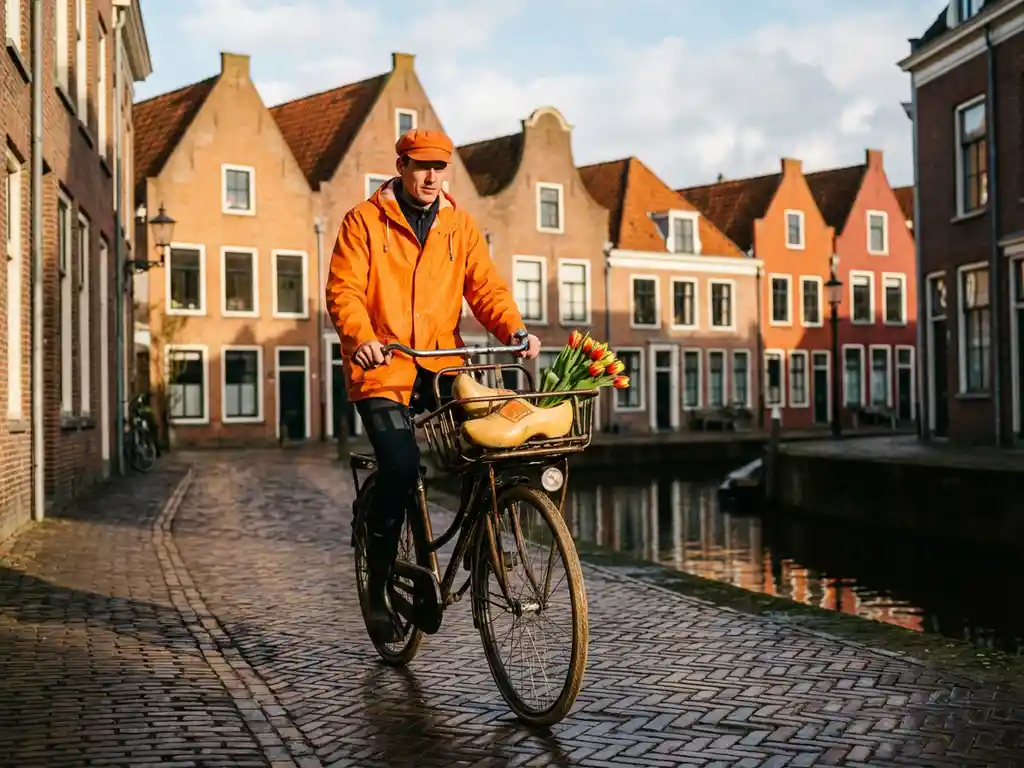
Dutch people are known for a set of recognisable habits that reflect their cultural values. The most common include cycling everywhere regardless of the weather, planning social events far in advance, splitting bills equally (the famous “going Dutch”), and valuing punctuality as a sign of respect.
- Cycling culture: The bicycle is not just transport; it is a lifestyle. Dutch people cycle to work, to dinner, and on dates.
- The agenda: Spontaneous visits are rare. Dutch people schedule almost everything, including casual coffee with friends.
- Going Dutch: Splitting costs equally is standard practice and carries no awkwardness whatsoever.
- Gezelligheid: Despite their directness, Dutch people deeply value cosiness and togetherness, especially in social settings.
These habits can feel very structured at first, especially if you come from a more spontaneous culture. But there is warmth beneath the planning. Once a Dutch person puts you in their agenda, they genuinely want to spend time with you. That scheduled coffee matters.
How do Dutch people typically greet each other?
Dutch people typically greet each other with a handshake in formal or professional settings, and with three kisses on alternating cheeks among friends and family. In casual or younger social circles, a simple “hoi” or “hey” with a nod or a wave is increasingly common, especially since the pandemic shifted many greeting habits.
As an expat, the three-kiss greeting can catch you off guard the first time. It goes right cheek, left cheek, right cheek, and it happens quickly. In professional environments, a firm handshake and direct eye contact are the norm. One important note: Dutch people tend to use first names almost immediately, even with strangers or superiors. Formality in Dutch culture is reserved for very specific contexts, so do not be surprised when your new colleague introduces themselves by their first name within seconds of meeting you.
What does ‘doe maar gewoon’ mean in Dutch culture?
“Doe maar gewoon, dan doe je al gek genoeg” is one of the most famous Dutch expressions, roughly translating to “just act normal; that is already crazy enough.” It captures the Dutch cultural preference for modesty, understatement, and avoiding behaviour that draws unnecessary attention or suggests you think you are better than others.
This phrase reflects a broader cultural value sometimes called the “tall poppy” mentality. In the Netherlands, openly boasting about your achievements, your wealth, or your status is considered poor taste. Dutch people tend to dress practically, drive modest cars, and downplay their successes in conversation. For expats settling in the Netherlands who come from cultures where self-promotion is encouraged, this can feel confusing or even stifling. But understanding “doe maar gewoon” helps explain why Dutch people can seem reserved at first. They are not unimpressed by you. They simply express admiration differently, often through dry humour or a quiet nod of acknowledgement rather than enthusiastic praise.
How can you connect with Dutch people as an expat?
Connecting with Dutch people as an expat takes patience and a willingness to meet them on their terms. The most effective ways to build genuine friendships include joining local clubs or activities, learning even a few words of Dutch, showing up consistently in shared spaces, and being direct yourself. Dutch people respect authenticity and effort above social performance.
One of the most powerful things you can do for your social life in the Netherlands is learn the language. You do not need to be fluent to make a connection, but making the effort to speak Dutch signals genuine interest in integrating, and Dutch people notice and appreciate that. Shared activities like sports clubs, neighbourhood associations, or language classes are also excellent entry points because they create natural, recurring contact rather than one-off encounters. Friendships in the Netherlands tend to build slowly but become very loyal and lasting once they form.
How Dutch on Track Helps You Feel at Home in the Netherlands
Learning Dutch is one of the most meaningful steps you can take towards real integration, and Dutch on Track makes that journey both practical and genuinely enjoyable. Our courses are designed specifically for expats and internationals living in the Netherlands, and we understand that language learning is about so much more than grammar. It is about confidence, connection, and belonging.
Here is what makes our approach different:
- Small groups of 8 to 10 students create a relaxed, social atmosphere where friendships form naturally alongside language skills.
- A communicative method that gets you speaking from day one, so you build real confidence rather than just theoretical knowledge.
- Lessons rooted in daily Dutch life, covering exactly the situations you encounter as an expat, from workplace conversations to social settings.
Beyond the language itself, our classes are a genuinely fun way to meet other internationals who are on the same journey as you. Many of our students find that the friendships they build in class become some of their most important social connections in the Netherlands. If you are ready to take that step, explore our Beginner Dutch Course or schedule a free meeting with Dutch on Track to find the right course for you.
Frequently Asked Questions
How long does it typically take to feel truly settled and socially comfortable in the Netherlands?
Most expats find that the first six to twelve months are the steepest part of the cultural adjustment curve, with social comfort coming gradually as routines and relationships build. The key is consistency — showing up regularly to the same club, class, or neighbourhood café creates the repeated contact that Dutch friendships are built on. Do not mistake a slow start for rejection; Dutch people simply take more time to open up than people from more immediately warm cultures, but the connections that form tend to be genuinely lasting.
Is it considered rude to be spontaneous or drop by unannounced in the Netherlands?
Yes, in most cases an unannounced visit is considered quite inconsiderate in Dutch culture, even among friends. The Dutch calendar-first approach is not about being unfriendly — it is about respecting other people’s time and personal space, which are taken seriously. If you want to see someone, send a message and propose a specific time; this will be received far more warmly than showing up at the door and will help you avoid an awkward situation.
What are the most common mistakes expats make when first interacting with Dutch people?
The most frequent mistakes include interpreting directness as hostility, over-apologising or softening feedback in a way that comes across as evasive, and expecting friendships to develop at the same pace as in more socially expressive cultures. Another common misstep is avoiding eye contact during conversations — in the Netherlands, steady eye contact signals confidence and honesty, and avoiding it can unintentionally suggest you are being insincere. Being straightforward, punctual, and genuine will take you much further than trying to charm your way into social circles.
Do I really need to learn Dutch if most Dutch people speak excellent English?
You can absolutely get by in English — the Netherlands has one of the highest levels of English proficiency in the world — but relying solely on English will create an invisible ceiling on how deeply you integrate. Speaking even basic Dutch in everyday situations like the supermarket, the doctor’s office, or a neighbourhood conversation signals respect and genuine effort, which Dutch people genuinely appreciate and respond to warmly. Language is also your gateway to understanding Dutch humour, culture, and the subtle social cues that make daily life feel natural rather than foreign.
What is 'gezelligheid' and how can I experience it as an expat?
Gezelligheid (pronounced roughly as ‘heh-ZEL-ikh-hite’) is a uniquely Dutch concept describing a feeling of warmth, cosiness, and togetherness — think candlelit dinners, lively café conversations, or a cosy evening with close friends. As an expat, the best way to experience it is to say yes to invitations, create your own by hosting a simple dinner or drinks at home, and embrace the slower, more intentional social pace that Dutch culture values. Once you are in a gezellig setting with Dutch people, you will quickly discover that the warmth and humour that sit beneath their direct exterior are very much real.
How should I handle it if a Dutch person says something that feels offensive or too personal?
The most effective approach is to respond directly and calmly — which is, fittingly, exactly what Dutch culture expects of you. You can simply say that you found the comment uncomfortable or explain how things are done differently in your home culture; Dutch people genuinely respect this kind of honest pushback and will not take offence. What tends not to work is staying silent and feeling resentful, because Dutch people are unlikely to pick up on indirect social signals and will have no idea anything was wrong.
Are there specific cultural events or traditions I should know about to better connect with Dutch people?
A few key moments in the Dutch calendar are excellent opportunities for genuine cultural connection: King’s Day (Koningsdag) on April 27th is the biggest national celebration of the year and a perfect excuse to join the street parties and flea markets; Sinterklaas in early December is a beloved family tradition worth understanding even if you do not celebrate it yourself; and local neighbourhood events like buurtfeesten are great low-pressure ways to meet the people around you. Showing curiosity about these traditions — asking Dutch colleagues or neighbours to explain them — is itself a form of connection that Dutch people tend to find flattering and engaging.