What is a Dutch mentality?
Moving to the Netherlands as an expat is an exciting adventure, but it can also feel puzzling at times. The Dutch have a reputation that precedes them: direct, pragmatic, and fiercely independent. Understanding the Dutch mentality is one of the most valuable things you can do when settling in the Netherlands, because it transforms confusing moments into cultural insights and helps you build genuine connections with the people around you.
Whether you are navigating the workplace, making friends at the local market, or simply trying to understand why your Dutch neighbor gave you blunt feedback on your garden, this guide answers the questions expats most often ask about Dutch culture and character.
What is the Dutch mentality and what makes it unique?
The Dutch mentality is a combination of directness, pragmatism, egalitarianism, and a deep respect for personal freedom. It is shaped by centuries of trade, water management, and the need for collective cooperation in a small, densely populated country. The result is a culture that values honesty over politeness, efficiency over ceremony, and individual autonomy alongside a strong sense of community responsibility.
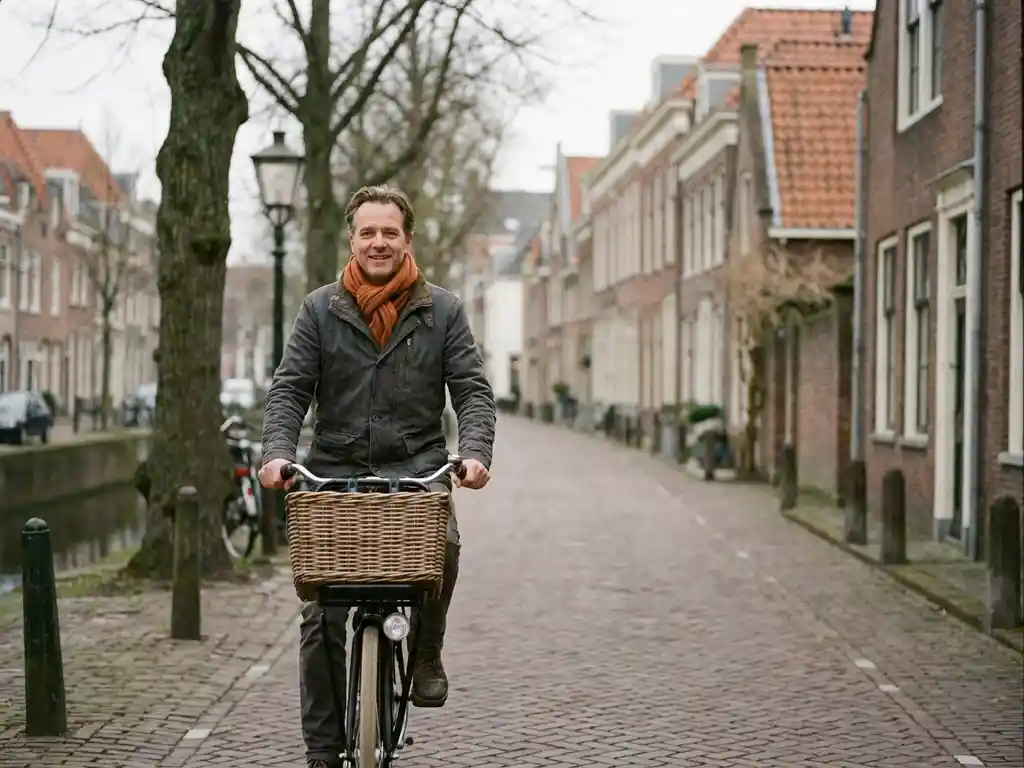
What makes it truly unique is how these values coexist. The Dutch can be simultaneously warm and blunt, community-minded and fiercely private. They believe in treating everyone as an equal, from the CEO to the cleaner, and this shows up in everything from flat organizational hierarchies to the fact that cycling is considered perfectly normal transportation for all social classes. This blend of openness and practicality is what many expats find both refreshing and disorienting when they first arrive.
Why are Dutch people so direct, and is it considered rude?
Dutch directness is not rudeness. It is a deeply held cultural value rooted in the belief that honesty and clarity show respect. When a Dutch person tells you exactly what they think, they are treating you as a capable adult who deserves a straight answer rather than a polite deflection. In Dutch culture, saying what you mean is a sign of trust, not aggression.
For many expats coming from cultures where communication is more indirect or hierarchical, this bluntness can feel jarring at first. A Dutch colleague might tell you your presentation needs work without softening the message, and they will expect you to receive that feedback professionally rather than personally. Once you understand that this directness comes from a place of respect rather than hostility, it becomes one of the most refreshing aspects of expat life in the Netherlands. You always know where you stand.
What are the most important Dutch cultural values?
The most important Dutch cultural values are directness, equality, frugality, tolerance, and a strong sense of individual freedom balanced with civic responsibility. These values are not just abstract ideals; they show up in everyday behavior, social norms, and even in how Dutch people spend their money and time.
- Equality: Everyone is treated the same, regardless of status, age, or background.
- Directness: Honest communication is valued above social niceties.
- Frugality: Being sensible with money is a virtue, not a sign of poverty.
- Tolerance: A long tradition of accepting different lifestyles, religions, and perspectives.
Understanding these values helps explain behaviors that might otherwise seem strange. Why does your Dutch host split the restaurant bill down to the cent? Because frugality is a sign of good sense. Why does everyone in a meeting speak up, including the most junior person in the room? Because equality is genuinely practiced, not just preached.
How does the Dutch mentality affect social life and friendships?
Dutch friendships tend to develop slowly but run deep. The Dutch are not unfriendly, but they draw a clear distinction between acquaintances and true friends. Social life is often organized around structured activities, planned gatherings, and shared interests rather than spontaneous drop-ins. Once you are inside a Dutch person’s social circle, however, the loyalty and warmth you find there are genuine and lasting.
For expats, this can feel like a slow start. The Dutch do not typically strike up deep conversations with strangers, and the social calendar tends to be planned well in advance. The good news is that joining a structured group activity—whether a sports club, a language course, or a community event—is one of the most effective ways to build real friendships. Shared experiences and regular contact are the foundation of Dutch social bonds. Many expats find that learning the language opens social doors that would otherwise remain closed if you rely entirely on English.
How is Dutch culture different from other European cultures?
Dutch culture stands apart from other European cultures primarily in its combination of directness, egalitarianism, and pragmatism, taken to an unusually consistent degree. While many Northern European cultures share some of these traits, the Dutch apply them with particular conviction and in a way that permeates daily life at every level.
Compared to Southern European cultures, the Dutch place far less emphasis on hierarchy, formality, and family-centered social life. Compared to British culture, the Dutch are significantly more direct and less focused on social etiquette and understatement. Compared to German culture, the Dutch tend to be more relaxed in their approach to rules while still being highly organized. What also sets the Netherlands apart is its long history of international trade and immigration, which has created a culture that is genuinely open to outsiders, even if it takes time to fully welcome them.
How can you adapt to the Dutch mentality as an expat?
Adapting to the Dutch mentality as an expat means embracing directness, respecting structure, and taking initiative in social situations. The Dutch will not always come to you, but they will warmly receive you when you make the first move. The key is to stop interpreting Dutch behavior through the lens of your home culture and start engaging with it on its own terms.
A few practical ways to adapt:
- Be honest and direct in your communication, even when it feels uncomfortable.
- Plan social activities in advance rather than expecting spontaneous invitations.
- Learn at least some Dutch, even at a basic level, as it signals genuine effort and respect.
- Join local groups, clubs, or classes where you will see the same people regularly.
Language is particularly powerful here. Speaking Dutch, even imperfectly, immediately changes how locals perceive you. It shows that you are not just passing through but genuinely investing in life in the Netherlands. And beyond the practical benefits, it is simply fun to discover that you can navigate a conversation, order your coffee, or share a joke in a new language.
How Dutch on Track Helps You Settle into Life in the Netherlands
Understanding Dutch culture is one thing. Actually living it, connecting with people, and feeling at home is another. That is exactly where we come in. At Dutch on Track, we offer Dutch language courses specifically designed for expats, knowledge workers, and their partners in Eindhoven and Tilburg. Our courses are not just about grammar and vocabulary. They are about giving you the confidence and cultural fluency to genuinely participate in Dutch life.
Here is what makes learning Dutch with us different:
- Small groups of 8 to 10 participants, so you practice speaking from day one in a supportive, social setting.
- A blended learning method combining e-learning preparation, interactive classroom sessions, and consolidation, so every lesson sticks.
- Evening classes after work hours, making it easy to fit around your professional life.
- A communicative approach where making mistakes is part of the process, not something to be embarrassed about.
Beyond the language itself, our courses are a genuinely enjoyable way to meet other internationals who are on the same journey as you. Many of our students find that the friendships they build in class become some of their most meaningful connections during their time in the Netherlands. If you are ready to take the first step toward feeling truly at home here, schedule a free meeting with Dutch on Track and let us help you find the right course. You can also explore our Beginner Dutch Course if you are starting from scratch and want to build a solid foundation from the very first lesson.
Frequently Asked Questions
How long does it typically take to feel truly settled and socially integrated in the Netherlands?
Most expats report that it takes anywhere from one to three years to feel genuinely at home in the Netherlands, with the first year often being the most challenging socially. The timeline varies significantly depending on whether you learn Dutch, join local groups, and actively engage with the community rather than staying within expat-only circles. Making consistent effort in the first few months — joining a club, taking a language course, or attending local events — can dramatically accelerate the process.
Is it really necessary to learn Dutch if most Dutch people speak excellent English?
While it is true that the Dutch have some of the highest English proficiency levels in the world, relying solely on English keeps you at a social and professional distance that is hard to bridge. Dutch is the language of informal conversations, workplace humor, neighborhood relationships, and the moments where real connection happens. Even a basic level of Dutch signals to locals that you are genuinely invested in life here, which changes how they perceive and welcome you.
What are the most common mistakes expats make when trying to adapt to Dutch culture?
The most common mistake is interpreting Dutch directness as personal criticism or hostility and reacting defensively, which can quickly create unnecessary friction at work or in social settings. Another frequent pitfall is waiting to be invited into social circles rather than taking initiative — the Dutch appreciate people who make the first move. Finally, many expats underestimate how much learning even basic Dutch changes their daily experience and the warmth they receive from locals.
How does the Dutch mentality show up differently in the workplace compared to social settings?
In the workplace, the Dutch mentality means flat hierarchies, open debate, and a culture where everyone — regardless of seniority — is expected to contribute their honest opinion. Decisions are often made by consensus, which can feel slow to expats from more top-down cultures, but results in strong team buy-in once a direction is agreed upon. Socially, the same egalitarian values apply, but the pace is slower and more structured, with friendships forming gradually through repeated shared experiences rather than quick personal disclosure.
Are there regional differences in the Dutch mentality within the Netherlands?
Yes, there are noticeable regional differences worth knowing about. The Randstad cities — Amsterdam, Rotterdam, The Hague, and Utrecht — tend to be more internationally oriented, fast-paced, and cosmopolitan. In the south, particularly in Noord-Brabant and Limburg, people are generally considered warmer, more sociable, and more willing to engage with strangers, which many expats find easier to navigate. Cities like Eindhoven and Tilburg in Brabant are often described by expats as having a friendlier, more approachable social atmosphere than the larger northern cities.
How should I handle it if I accidentally offend a Dutch person or misread a cultural situation?
The good news is that the Dutch tend to be pragmatic and forgiving when it comes to cultural misunderstandings, especially from expats who are clearly making an effort to adapt. The best approach is to be direct about it — simply acknowledge the misunderstanding honestly and without over-apologizing, which aligns perfectly with Dutch communication values. Most Dutch people will appreciate your candor and move on quickly, as dwelling on social awkwardness is generally not part of the Dutch character.
What is the best first step for an expat who has just arrived in the Netherlands and wants to start integrating?
The single most impactful first step is to start learning Dutch as soon as possible, even at a beginner level, because language unlocks access to every other aspect of integration — social, professional, and cultural. Pair that with joining at least one structured local activity, whether a sports club, a community group, or a language course, where you will see the same people regularly and build relationships naturally over time. Taking both steps simultaneously, rather than waiting until you feel more settled, is what consistently makes the biggest difference for expats in their first months.