What is the downside of moving to the Netherlands?
Moving to the Netherlands is an exciting adventure, but expat life in the Netherlands comes with real challenges that many people don’t talk about openly. From the famously blunt communication style to the notoriously difficult social landscape, settling in the Netherlands takes patience, resilience, and a genuine willingness to adapt. If you’re planning a move or already living in the Netherlands as an expat, understanding these hurdles upfront can make a significant difference.
The good news is that most of these challenges are entirely manageable, especially once you know what to expect. This guide walks you through the most common downsides of moving to the Netherlands and, more importantly, what you can actually do about them.
What are the biggest downsides of moving to the Netherlands?
The biggest downsides of moving to the Netherlands include the difficulty of making local friends, the language barrier in everyday situations, the high cost of housing, cultural adjustment to Dutch directness, and the grey, rainy weather for much of the year. For most expats, social isolation and the language gap tend to be the most persistent frustrations.
Housing costs, particularly in cities like Eindhoven and Tilburg, have risen sharply in recent years, making the practical side of settling in the Netherlands stressful from day one. Beyond logistics, many expats describe a deeper sense of feeling like an outsider, even after months or years of living here. The Dutch are famously self-sufficient and have long-established social circles, which can leave newcomers feeling invisible rather than welcome.
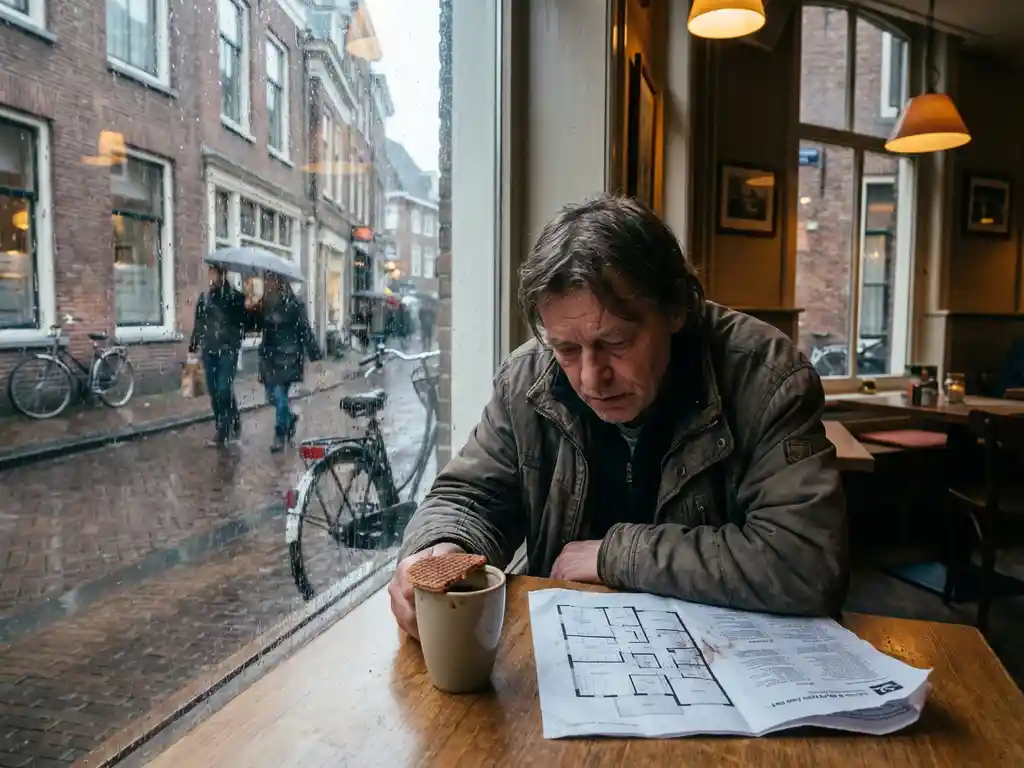
The weather is another frequently mentioned downside. The Netherlands is not a sunny country, and the combination of wind, rain, and flat grey skies from October through April catches many newcomers off guard. That said, most expats agree that the quality of life, infrastructure, and safety more than compensate once you find your footing.
Why is it so hard to make Dutch friends as an expat?
Making Dutch friends as an expat is hard because Dutch social culture is built around long-term, stable relationships that were typically formed in childhood, school, or university. Dutch people tend not to actively seek new friendships in adulthood, which means they are rarely looking to expand their social circles when they meet you at work or in a neighbourhood setting.
This is not rudeness; it is simply how Dutch social life is structured. Friendships here tend to be deep and loyal, but they take a long time to form. As an expat, you are often starting from zero in a culture where the social groundwork was laid decades ago by the people around you.
The most practical solution is to create your own social context rather than waiting to be invited into an existing one. Joining a language class, a sports club, or a community group puts you in regular contact with people who share a common goal. Language courses in particular are surprisingly effective for this because you are learning together, laughing at the same mistakes, and building something real over weeks and months.
How does the Dutch language barrier affect daily life?
The Dutch language barrier affects daily life in the Netherlands by limiting your independence in practical situations such as dealing with local government, understanding rental contracts, visiting a doctor, or simply following a conversation at a neighbourhood event. While many Dutch people speak excellent English, relying on it exclusively creates a ceiling on how fully you can participate in daily life.
In professional settings, English is often the working language in international companies, which can create a false sense of security. Outside the office, however, Dutch is everywhere: on signs, in forms, in parent-teacher meetings, in casual conversations between colleagues that you can’t quite follow. This creates a persistent, low-level feeling of exclusion that wears on people over time.
Even a basic command of Dutch changes this dynamic completely. People respond differently when you make the effort. Neighbours open up. Shopkeepers relax. You stop feeling like a guest in your own daily life and start feeling like someone who actually lives here.
What is Dutch directness and why does it feel rude?
Dutch directness is the cultural norm of saying exactly what you mean without softening, hedging, or using social pleasantries to cushion difficult messages. It feels rude to many expats because most other cultures use indirect language as a sign of respect, whereas in Dutch culture, directness is itself a sign of respect and honesty.
A Dutch colleague who tells you bluntly that your idea will not work is not being unkind; they are treating you as an equal who can handle the truth. A Dutch neighbour who points out that your recycling is in the wrong bin is not being passive-aggressive; they genuinely just want the recycling in the right bin. The intent is almost never hostile.
Understanding this distinction does not make the adjustment painless, but it does make it faster. Once you stop reading Dutch directness as a personal attack and start reading it as a cultural default, interactions that once felt jarring begin to feel refreshingly honest. Many long-term expats actually come to appreciate it deeply.
Does learning Dutch help with social integration in the Netherlands?
Yes, learning Dutch significantly helps with social integration in the Netherlands. Speaking even basic Dutch signals to local people that you intend to stay, that you respect their culture, and that you are willing to meet them on their terms. This changes how Dutch people respond to you in ways that go far beyond practical communication.
Language is the most direct route into a culture. When you learn Dutch, you are not just learning vocabulary; you are learning how Dutch people think, joke, and express themselves. You start to understand references, follow humour, and participate in conversations rather than observing them from the outside.
There is also a social dimension to the learning process itself. Taking a Dutch course puts you in a room with other internationals who are going through exactly the same experience. The shared challenge creates genuine connection, and many people find that their language class becomes one of their first real social anchors in the Netherlands. It is one of the most fun and low-pressure ways to build a network while also developing a useful skill.
How long does it take to feel at home in the Netherlands?
Most expats report that it takes between one and three years to genuinely feel at home in the Netherlands. The first year is typically the hardest, marked by practical overwhelm, cultural confusion, and social isolation. By the second year, most people have found routines, built some connections, and developed a working understanding of Dutch culture.
The timeline varies significantly depending on a few key factors:
- Whether you actively learn Dutch or rely entirely on English
- Whether you join communities, courses, or clubs where you meet people regularly
- Whether you engage with Dutch culture directly rather than staying within an expat bubble
- Whether you have a partner or family with you, or are navigating the transition alone
People who take active steps, especially around language and community, consistently settle in faster than those who wait for integration to happen naturally. The Netherlands rewards effort. The more you put in, the sooner it starts to feel like home.
How Dutch on Track helps with living in the Netherlands as an expat
Dutch on Track was built specifically for people navigating exactly the challenges described in this article. We offer Dutch language courses for expats and internationals in Eindhoven and Tilburg, designed around the real daily life you are living here, not abstract textbook scenarios. Our approach is communicative from day one, which means you start speaking immediately and build confidence through practice rather than theory.
Here is what makes our courses particularly effective for social integration:
- Small groups of 8 to 10 students create a genuine community, not just a classroom
- Evening classes from 17:45 to 19:45 fit around full-time work schedules
- Our blended learning method combines e-learning preparation, interactive group sessions, and consolidation activities
- All teachers are certified specialists in Dutch as a Second Language
Beyond the language itself, our students consistently tell us that the course becomes one of their first real social experiences in the Netherlands. You are learning alongside people who understand exactly what you are going through, and that shared experience builds friendships that often extend well beyond the classroom. It is genuinely fun, and it moves your integration forward in a way that nothing else quite replicates.
If you are ready to take that step, Dutch on Track offers courses from absolute beginner level all the way through to B1, including our flagship Beginner Dutch Course from A0 to A1. Not sure where to start? Schedule a free meeting with us and we will help you find the right fit.
Frequently Asked Questions
Is it worth learning Dutch if most Dutch people speak English?
Yes, absolutely — and the reason goes well beyond practical communication. While it’s true that most Dutch people speak excellent English, relying on it exclusively keeps you at arm’s length from real integration. Speaking Dutch, even imperfectly, signals commitment and respect, which changes how locals respond to you on a personal level. The social and cultural doors it opens are simply not available to those who stick to English only.
What are the most common mistakes expats make when first moving to the Netherlands?
The most common mistake is staying inside the expat bubble — socialising exclusively with other internationals, working in English, and never engaging with Dutch culture directly. While the expat community is a valuable support network, relying on it entirely delays genuine integration significantly. Other frequent missteps include underestimating the housing market (waiting too long to secure accommodation), dismissing Dutch directness as rudeness, and putting off language learning until they feel ‘settled,’ which often means it never happens.
How do I find housing in the Netherlands as an expat, and what should I watch out for?
The Dutch rental market, particularly in cities like Eindhoven and Tilburg, is competitive and moves very fast — listings can disappear within hours. Use reputable platforms such as Funda, Pararius, and Kamernet, and be prepared to act quickly with all your documents ready (proof of income, employer letter, ID). Watch out for rental scams targeting expats, especially listings that seem unusually affordable or landlords who ask for payment before a viewing. If possible, connect with your employer’s relocation support or a local housing agent before you arrive.
What if I've already been living in the Netherlands for a year or more and still feel isolated — is it too late to turn things around?
It is never too late, and feeling isolated after a year is far more common than people admit. The key is to introduce regular, repeated social contact rather than one-off events — a weekly language class, a sports team, or a volunteer role creates the kind of consistent exposure where real friendships actually develop. Starting Dutch language lessons at this stage is particularly effective because it simultaneously addresses two of the biggest barriers to integration: language and social connection.
Do I need to learn Dutch to get by professionally in the Netherlands?
In many international companies, especially in tech, logistics, and finance, English is the primary working language and Dutch is not strictly required to perform your job. However, Dutch becomes increasingly important the more you interact with local clients, government bodies, or colleagues outside the international bubble. More importantly, professional advancement and workplace relationships often deepen when you can participate in the informal, Dutch-language conversations that happen around the formal ones — the coffee breaks, the offhand comments, the team lunches.
How do I deal with the Dutch weather without it affecting my mental health?
The grey, wet winters in the Netherlands are a genuine adjustment, and many expats underestimate their psychological impact — particularly those coming from sunnier climates. Practical strategies that help include investing in proper rain gear and a good bike so the weather doesn’t stop your daily routine, using a daylight therapy lamp during the darker months, and building a consistent social calendar so the season doesn’t translate into isolation. Reframing the seasons as a reason to explore Dutch indoor culture — markets, museums, cosy cafés — also helps shift your relationship with the weather over time.
What level of Dutch do I need to reach before it starts making a real difference in daily life?
Most expats notice a meaningful shift in their daily experience once they reach around the A2 level — the point at which you can handle basic conversations, understand common signs and forms, and follow the general thread of a group discussion. You don’t need to be fluent for Dutch to start opening doors. Even a confident A1 level changes how neighbours, shopkeepers, and colleagues respond to you, because the effort itself communicates something important about your intentions and your respect for the culture.