What to do if you get sick in Amsterdam?
Getting sick in a foreign country is stressful enough without having to navigate an unfamiliar healthcare system at the same time. If you are living in the Netherlands as an expat, understanding how Dutch healthcare works before you actually need it can save you a lot of confusion and frustration. The good news is that the Dutch system is well organized, accessible, and generally very effective—once you know how it works.
Whether you have just arrived or have been living in the Netherlands for a while, this guide walks you through everything you need to know: from finding a doctor to understanding your insurance and knowing where to go in an emergency. Consider this your practical expat health handbook for life in the Netherlands.
What should you do first if you get sick in the Netherlands?
The first thing you should do when you get sick in the Netherlands is contact your huisarts (general practitioner, or GP). In the Dutch healthcare system, the GP is your primary point of contact for almost all non-emergency medical issues. You do not go directly to a hospital or specialist—your GP acts as the gatekeeper to the rest of the healthcare system.
If your symptoms are mild, call your GP’s practice during office hours and explain your situation to the assistant (doktersassistente), who will assess the urgency and schedule an appointment or give you initial advice over the phone. For life-threatening emergencies, always call 112 immediately. For everything in between, your GP is the right first step.
How do you find and register with a GP in the Netherlands?
To find a GP in the Netherlands, search for practices near your home address using your health insurer’s website or a directory like Zorgkaart Nederland. Once you find a practice that is accepting new patients, you can register in person or online. Registration is free, and you only need proof of address and your BSN (citizen service number).
Registering with a GP is one of the most important steps when settling in the Netherlands, and you should do it as soon as possible—ideally before you get sick. Not all practices have openings, so it is worth contacting a few in your area. Once registered, that practice becomes your permanent medical home for routine care, referrals, and ongoing health management.
What happens during a GP appointment in the Netherlands?
A GP appointment in the Netherlands is typically short—around ten minutes—and very direct. Your doctor will ask about your symptoms, examine you if necessary, and either treat you on the spot, prescribe medication, or refer you to a specialist. Dutch GPs are known for a conservative approach, meaning they often recommend rest and monitoring before prescribing medication.
This directness can feel abrupt if you are used to longer consultations elsewhere, but it reflects the efficiency of the Dutch healthcare model. If you feel your concern has not been fully addressed, it is completely acceptable to ask follow-up questions or request a longer appointment. Communication is valued in Dutch medical culture, and your GP expects you to be clear about what you need.
How does Dutch health insurance work when you are sick?
Dutch health insurance (zorgverzekering) is mandatory for everyone living or working in the Netherlands, including expats. All basic insurance policies cover GP visits, hospital care, and emergency treatment. You pay a monthly premium to your insurer, plus an annual deductible (eigen risico) of around 385 euros before the insurer covers most costs beyond GP visits.
GP appointments are fully covered by basic insurance, with no deductible applied, which means visiting your huisarts costs you nothing out of pocket. Specialist care, hospital stays, and prescription medication may count toward your deductible. If you are employed, your employer may contribute to your premium. If you are the partner or spouse of an expat, you are still required to arrange your own insurance separately. Always carry your insurance card (zorgpas) to appointments.
Where can you go if you need urgent medical help outside office hours?
Outside office hours, you should contact the huisartsenpost (out-of-hours GP service) for urgent but non-life-threatening medical issues. Every region in the Netherlands has at least one of these centers, and you must call ahead before visiting. They operate in the evenings, at night, and on weekends specifically to handle urgent cases that cannot wait until the next working day.
Here is a quick overview of your options depending on urgency:
- 112: Life-threatening emergencies only (heart attack, severe accident, difficulty breathing)
- Huisartsenpost: Urgent issues outside office hours that need same-day attention
- Spoedeisende Hulp (SEH): Hospital emergency department, but only go here if referred or in a genuine emergency
Showing up at a hospital emergency department without a referral is generally discouraged in the Netherlands and may result in long waits or being redirected to the huisartsenpost. The system is designed to route patients efficiently, so following the correct path saves time for everyone.
What can you buy at a Dutch pharmacy without a prescription?
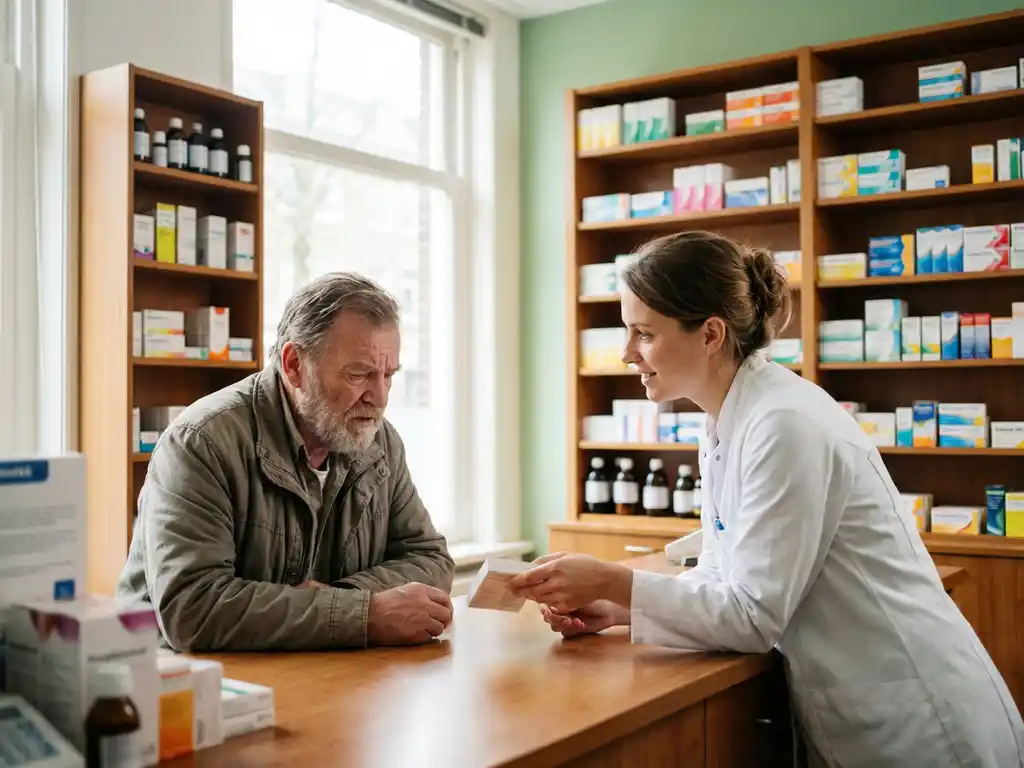
At a Dutch pharmacy (apotheek) or drugstore (drogist), you can buy a range of over-the-counter medications without a prescription, including paracetamol, ibuprofen, antihistamines, throat lozenges, cold remedies, and basic wound care products. Pharmacists in the Netherlands are highly trained and willing to give advice on which product best suits your symptoms.
The distinction between an apotheek and a drogist is worth knowing. A drogist (such as Etos or Kruidvat) sells basic health and wellness products. An apotheek dispenses prescription medication and also stocks over-the-counter treatments, but it is linked to your GP registration and keeps a record of your medication history. For anything beyond basic symptom relief, visiting your apotheek rather than a general drugstore is the better choice.
How Dutch on Track Helps You Feel at Home in the Netherlands
Navigating the Dutch healthcare system is just one piece of the puzzle when you are building your life in a new country. Language plays a huge role in how confident and independent you feel—whether you are calling a GP’s practice, explaining symptoms to a pharmacist, or simply understanding what your neighbors are saying. That is exactly where we come in.
At Dutch on Track, we offer Dutch language courses specifically designed for expats, internationals, and their partners in Eindhoven and Tilburg. Our courses are not just about grammar and vocabulary—they are about giving you the practical language skills to handle real-life situations, from medical appointments to everyday conversations. And honestly, they are a lot of fun too.
Here is what makes learning Dutch with us a great experience:
- Small groups of 8–10 students so you actually get to practice speaking—and make real friends along the way
- A communicative approach from day one, so you build confidence quickly without fear of making mistakes
- Practical, real-life content that prepares you for situations like visiting a doctor, shopping, and connecting with Dutch colleagues
- Certified teachers who specialize in Dutch as a Second Language and understand the expat experience
Learning Dutch is one of the most rewarding steps you can take toward feeling truly settled and socially connected in your new home. It opens doors to friendships, deeper cultural understanding, and a sense of belonging that goes far beyond being able to read a menu. If you are ready to take that step, explore our Beginner Dutch Course or schedule a free meeting with Dutch on Track to find the right course for you.
Frequently Asked Questions
Do I need to speak Dutch to visit a GP or pharmacy in the Netherlands?
Most GPs and pharmacists in the Netherlands, especially in larger cities and expat-heavy areas like Eindhoven and Tilburg, speak English well enough to conduct a full medical consultation. However, when calling the huisartsenpost or speaking with a doktersassistente, you may occasionally encounter staff with limited English, so knowing a few key Dutch phrases can make a real difference. Learning practical medical vocabulary—such as how to describe symptoms or ask about medication—is one of the most immediately useful things you can do as an expat.
What if I need to see a specialist but my GP won't give me a referral?
In the Netherlands, GPs are trained to handle a broad range of conditions and will only refer you to a specialist when they believe it is medically necessary. If you feel your concern warrants specialist attention, explain your reasons clearly and calmly—Dutch doctors respond well to direct, informed communication. You can also request a second opinion from another GP, which is your right within the Dutch healthcare system. Pushing back respectfully and providing more context about your symptoms often leads to a different outcome.
Can I keep my foreign health insurance instead of getting Dutch insurance?
If you are living or working in the Netherlands and registered as a resident, you are legally required to take out Dutch health insurance (zorgverzekering) within four months of registering—regardless of any existing foreign coverage. Failing to do so can result in fines and backdated premium payments. The only common exceptions apply to certain EU cross-border workers or people covered by specific international employer schemes, so it is worth checking your exact situation with your employer or a Dutch insurance advisor.
How do I handle a medical situation if I haven't registered with a GP yet?
If you fall ill before registering with a GP, you can still contact a local huisartsenpost for urgent issues or call 112 for emergencies—these services are available to everyone regardless of registration status. For non-urgent care, some GP practices will see unregistered patients on a temporary basis, so it is worth calling around. This situation underscores why registering with a huisarts as soon as you arrive is one of the most important admin tasks to tick off your expat to-do list.
What is the best way to manage my medical records as an expat moving between countries?
When you register with a Dutch GP, it is a good idea to bring a summary of your medical history, vaccination records, and any ongoing prescriptions from your home country—ideally translated into English or Dutch. Your apotheek will build a medication record linked to your GP registration over time, but the initial handover of information is your responsibility. Apps like your insurer’s patient portal or platforms such as MedGemak can help you keep track of Dutch medical records digitally, which is especially useful if you plan to move again in the future.
Are mental health services covered by Dutch health insurance, and how do I access them?
Yes, mental health care (geestelijke gezondheidszorg, or GGZ) is covered under basic Dutch health insurance, though your annual deductible does apply. Access always starts with your GP, who can refer you to a psychologist, therapist, or specialist mental health clinic depending on your needs. Wait times for specialist mental health care can be long in the Netherlands, so raising concerns with your GP early is important. Some expat-focused therapists also offer sessions in English, which your GP or insurer can help you locate.
What common mistakes do expats make when using the Dutch healthcare system?
The most frequent mistake is going directly to a hospital emergency department (SEH) for issues that are urgent but not life-threatening—this leads to long waits and is not how the system is designed to work. Another common pitfall is not registering with a GP soon after arrival, leaving expats without a medical home when they actually need one. Finally, many expats underestimate the role of the pharmacist (apotheker) as a healthcare advisor—they are a valuable first point of contact for minor ailments and medication questions, and their advice is free.