Why is integration in the Netherlands so hard for expats?
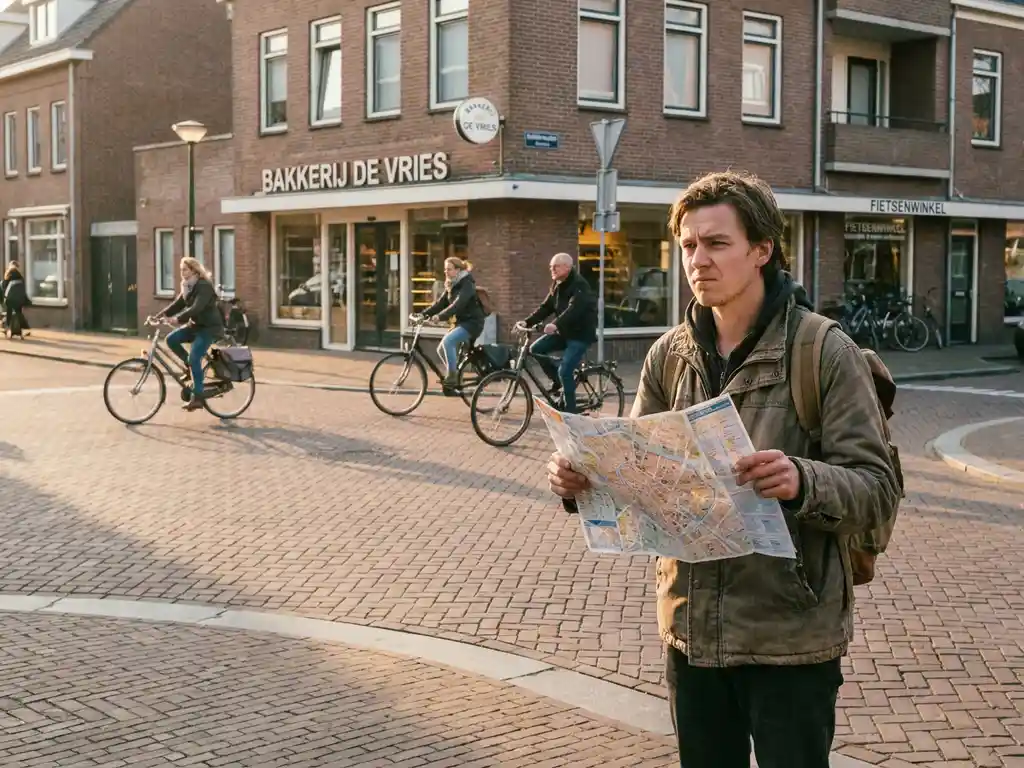
Integration in the Netherlands is hard for expats primarily because of the language barrier combined with the naturally reserved communication style of Dutch culture. Most expats find themselves surrounded by English-speaking colleagues and fellow internationals, which removes the daily pressure to engage with Dutch society on its own terms. This article unpacks the specific challenges that slow integration down and, more importantly, what actually moves the needle.
What makes daily life in the Netherlands so difficult for newcomers?
Daily life in the Netherlands is difficult for newcomers because so many routine interactions assume a baseline of Dutch language skills and cultural familiarity. From registering at the gemeente to booking a GP appointment or navigating your child’s school communication, the systems here are built for Dutch speakers. Without that foundation, even simple tasks become exhausting and isolating.
The Netherlands is highly organized and process-driven, which is a strength once you understand how things work. But for someone new, that same structure can feel like a wall. Letters arrive in Dutch, phone calls are expected in Dutch, and staff at local offices do not always switch to English automatically. The administrative load alone, think DigiD, BSN registration, health insurance, and housing contracts, can overwhelm anyone who is still finding their footing.
Beyond admin, there is the social dimension. Dutch directness is well known, but it is often misread by newcomers as coldness or disinterest. Understanding that bluntness here is a sign of respect, not hostility, takes time and cultural exposure to fully absorb.
Why is making Dutch friends so hard for expats?
Making Dutch friends is hard for expats because Dutch social circles tend to be formed early in life and are not easily opened to outsiders. Unlike more socially fluid cultures, Dutch people often maintain the same tight group of friends from school or university for decades. This is not unfriendliness — it is simply how social bonds are typically structured here.
There are a few specific patterns that make this challenging:
- Dutch socializing often happens in established settings like sports clubs, neighborhood associations, or long-standing friend groups rather than spontaneously.
- Small talk is not a social norm the way it is in, for example, American or British culture.
- Many Dutch people are perfectly comfortable in English but may not feel the need to actively include newcomers in their social world.
- Expat-heavy neighborhoods can create parallel social universes where locals and internationals rarely mix.
The good news is that Dutch people, once they do let you in, tend to be loyal and genuine friends. The challenge is finding the right entry points, and language is one of the most powerful ones.
Does not speaking Dutch really affect integration that much?
Yes, not speaking Dutch significantly affects integration in the Netherlands. Language is not just a communication tool here — it is the key to social belonging, professional opportunity, and day-to-day independence. Expats who rely entirely on English often find themselves limited to international circles and dependent on their partner or colleagues for basic interactions.
The impact shows up in ways that are easy to underestimate. A parent who cannot read a school newsletter misses community events. A partner who cannot chat with a neighbor stays invisible on the street. Someone who cannot follow a conversation at a birthday party stops getting invited. These are not dramatic moments, but they accumulate into a persistent sense of being on the outside looking in.
Speaking Dutch, even imperfectly, signals effort and respect. Dutch people genuinely appreciate it when internationals try, and that effort opens doors that fluent English simply does not. Even reaching an A2 or B1 level changes daily life in measurable ways.
How does the expat bubble slow down integration?
The expat bubble slows down integration in the Netherlands by creating a comfortable parallel world where Dutch language and culture are never truly necessary. When your social life, your neighborhood, your children’s school, and your workplace all operate in English, there is no organic pressure to engage with Dutch society. The bubble is comfortable, but it is also a ceiling.
This is especially common in cities like Eindhoven and Tilburg, where large international companies attract significant expat communities. The infrastructure for English-speaking life is well developed, which is helpful in the short term but can quietly delay deeper integration for years.
Partners of expats often feel this most acutely. Without a workplace providing daily structure and social contact, the days can feel narrow and isolating. The bubble offers safety, but it rarely offers the sense of belonging that most people are actually looking for when they move to a new country.
Breaking out of the bubble does not require abandoning the expat community. It means adding Dutch connections alongside it, through language learning, local activities, or simply making a habit of engaging with the neighborhood rather than retreating from it.
What actually helps expats integrate faster in the Netherlands?
The most effective way for expats to integrate faster in the Netherlands is to learn Dutch actively and use it in real daily situations from the very beginning. Combining structured language learning with genuine social exposure to Dutch people and places accelerates both language acquisition and cultural understanding far more than either approach alone.
Practical steps that consistently make a difference include:
- Taking Dutch lessons in a small group setting where you practice speaking with others in similar situations.
- Using Dutch deliberately in everyday moments: at the supermarket, with neighbors, or at local clubs.
- Joining a Dutch sports club, volunteer group, or community activity where language is a shared necessity.
- Accepting that making mistakes is part of the process, not a reason to avoid speaking.
The social dimension of language learning matters enormously. Learning Dutch alongside other internationals who are going through the same experience creates a sense of community and shared purpose. It turns what can feel like a lonely struggle into something genuinely enjoyable and motivating.
How Dutch on Track helps with expat life in the Netherlands
Dutch on Track was built specifically for the kind of integration challenges described in this article. We understand that expats and their partners are not struggling because they lack intelligence or motivation — they are struggling because they need the right structure, the right method, and the right environment to make real progress.
Here is how we make that happen:
- Practical, communicative lessons that focus on real-life situations from day one — not grammar tables, but actual conversations you will have at the school gate, the doctor’s office, or with your neighbors.
- Small groups of 8 to 10 people, which means you get genuine speaking time, personal attention from a certified teacher, and a social circle of people who understand exactly what you are going through.
- A blended learning approach combining e-learning preparation, interactive classroom sessions, and consolidation exercises so that every hour in class counts.
Our courses run after work hours in central Eindhoven and Tilburg, and we offer everything from complete beginner level through to B1. Many of our students tell us that the friendships they make in class are just as valuable as the language skills themselves. That is exactly what we aim for. If you are ready to stop watching the Netherlands from the outside and start feeling at home in it, schedule a free meeting with Dutch on Track and let us show you what is possible.
Frequently Asked Questions
How long does it realistically take to reach a conversational level in Dutch?
For English speakers, reaching a conversational B1 level in Dutch typically takes between 12 to 18 months of consistent study, though this varies significantly depending on how often you practice outside the classroom. Expats who combine structured lessons with daily real-life use — even in small ways like chatting with neighbors or ordering in Dutch — tend to progress noticeably faster. The key is consistency over intensity: 30 minutes of daily practice will outperform a weekend cram session every time.
What if my Dutch is still very basic — will Dutch people just switch to English before I get a chance to practice?
This is one of the most common frustrations expats in the Netherlands face, and yes, it does happen — Dutch people are often so proficient in English that they switch automatically to make things easier for you. The best way to counter this is to politely signal that you want to keep speaking Dutch, even if it is slower. A simple phrase like ‘Ik wil graag Nederlands oefenen’ (I would like to practice Dutch) is usually met with genuine appreciation and encouragement rather than impatience.
My partner is really struggling at home while I'm at work all day — what's the best first step for them?
The most impactful first step for a partner at home is to join a Dutch language course with a small group format as soon as possible — not just for the language, but for the social structure it provides. Without the built-in daily contact of a workplace, isolation can set in quickly, and a regular course creates a reliable routine and a community of people in exactly the same situation. Beyond lessons, exploring local volunteer opportunities or hobby groups in Dutch can also provide meaningful daily connection to the community.
Are there specific mistakes expats make that slow down their integration the most?
The single biggest mistake is waiting until Dutch feels ‘good enough’ before using it in real situations — that threshold never quite arrives if you only practice in a classroom. A close second is staying exclusively within expat social networks, which feels comfortable but quietly removes any organic motivation to engage with Dutch culture. Treating every small Dutch interaction — a chat at the checkout, reading a local notice, following a neighborhood WhatsApp group — as a low-stakes opportunity to practice makes an enormous cumulative difference over time.
Does it matter which city I live in when it comes to how hard integration is?
Yes, location does play a role. Cities like Amsterdam and Eindhoven have large, well-established expat communities and extensive English-language infrastructure, which makes day-to-day life easier but can also make it harder to find natural reasons to use Dutch. Smaller towns and villages tend to offer more immersive Dutch environments simply because English is less commonly used in daily interactions. That said, integration is ultimately more about the choices you make — joining local clubs, taking language courses, engaging with neighbors — than about which postcode you live in.
Can children integrate more easily than adults, and does that help the family overall?
Children generally do acquire Dutch faster than adults, especially when they attend a Dutch-language school, and this can be a powerful asset for the whole family. Parents often find that their children become an unexpected bridge to Dutch social life — through school friendships, sports teams, and parents’ evenings — creating connections that would otherwise take much longer to form. However, it is important not to rely on children as translators or cultural interpreters, which can put unfair pressure on them; adults in the family still benefit greatly from pursuing their own language learning independently.
How do I know which Dutch course level is right for me if I've never studied Dutch before?
If you have had no prior exposure to Dutch, you almost certainly belong in a complete beginner (A0–A1) course, and there is absolutely no disadvantage to starting there — in fact, building the right foundations from the start prevents bad habits that are harder to correct later. If you have had some exposure through a previous course or daily life but feel uncertain about your level, most language schools including Dutch on Track offer a free intake conversation or placement assessment to find the right fit. It is always better to consolidate a lower level well than to struggle in a course that moves too fast.
Related Articles
- Can employers buy individual places in a regular Dutch group course?
- How long does it take to get Netherlands citizenship by marriage?
- How expensive is healthcare in the Netherlands?
- What makes Dutch language courses effective for adults?
- How do you combine learning Dutch with a full-time job in the Netherlands?